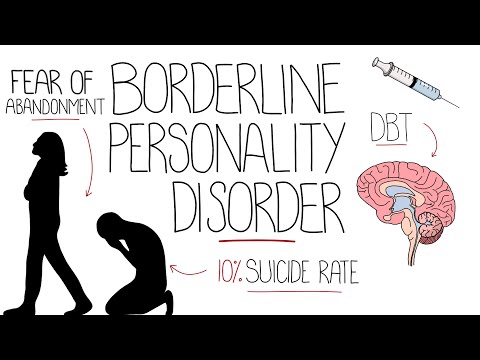
Hey! So, you know when emotions feel like a rollercoaster? One moment you’re up, and the next, you’re down. It can be a lot to handle, right?
This is where something called EUPD (or Emotionally Unstable Personality Disorder) comes into play. It’s about understanding those wild emotional swings and figuring out what you really need to feel better.
If you’ve been feeling overwhelmed or just not quite like yourself lately, taking this test might give you some clarity. It’s kind of like a little check-in with yourself, you know?
Let’s see what’s going on inside your head and heart. Maybe it’ll be the first step toward feeling more balanced again!
Step-by-Step Guide: How to Get Assessed for Emotionally Unstable Personality Disorder (EUPD)
Getting assessed for **Emotionally Unstable Personality Disorder (EUPD)** can feel like a daunting process, but breaking it down makes it a lot easier. So let’s go through this step by step.
Understanding EUPD is key before you even think about assessment. This condition often involves intense emotions, relationship issues, and impulsive behavior. It’s not just one thing; it’s a collection of struggles that can really mess with your day-to-day life.
The First Step: Find the Right Professional. You’ll want to connect with a mental health professional who understands EUPD well. This could be a psychologist or psychiatrist. And hey, don’t hesitate to ask them about their experience with EUPD when you first meet!
Next Up: Initial Assessment. Once you’ve found someone, they’ll likely do an initial assessment. This usually includes a **clinical interview** where they ask about your symptoms, feelings, and behaviors. It’s important to be honest and open during this chat because it helps them understand your situation better.
- Personal History: They might dig into your personal history—like childhood experiences or past relationships—to see how those might relate to what you’re feeling now.
- Symptoms: Expect questions about emotional ups and downs, how you handle anger or sadness, and any impulsive actions you’ve taken.
Self-Assessment Tools are also common in the process. Your clinician may give you questionnaires regarding your emotions and behaviors. Like the **Borderline Symptom List** or the **Personality Assessment Inventory**—these help clarify what you’re experiencing.
The Diagnostic Criteria. To actually diagnose EUPD, professionals refer to criteria from the DSM-5 (that’s the book that provides guidelines for diagnosing mental disorders). The main symptoms include:
- Emotional instability: Rapid mood swings without clear triggers.
- Poor self-image: Feeling empty or unsure of who you are.
- Difficulties in relationships: Intense but unstable relationships with others.
A Possible Diagnosis Session. After getting all that info, they might schedule a follow-up appointment to discuss findings. They’ll go over whether you meet criteria for EUPD or if something else is going on.
Now I get it; this whole process can feel overwhelming! It’s perfectly okay to feel anxious about it—all of this can bring up tough emotions.
And here’s a little personal touch: I remember when my friend went through something similar. She felt like she was on an emotional rollercoaster all the time but didn’t know why until she finally talked to a therapist who helped her sort it out piece by piece. It took time, but she felt so much lighter after understanding what was happening inside her head.
So once you’re assessed and if diagnosed with EUPD or any other condition, don’t fear—treatment options like therapy exist! Dialectical Behavior Therapy (DBT) is quite helpful for managing symptoms of EUPD because it offers practical tools for emotional regulation.
And that wraps up our rundown on getting assessed for Emotionally Unstable Personality Disorder! Just remember: getting help is not just okay; it’s brave and important for living your best life!
Top Assessment Tools for Evaluating Borderline Personality Disorder (BPD)
Borderline Personality Disorder (BPD) is one of those complex issues, you know? It’s tough to pin down because it involves intense emotions, impulsive behaviors, and a lot of relationship challenges. Knowing how to assess BPD accurately is super important for getting the right help. There are several tools out there that professionals use to evaluate it. Let’s break down some of the top assessment tools you might encounter.
First up, the Structured Clinical Interview for DSM-5 (SCID-5). This is like the gold standard for mental health assessments. It’s a comprehensive interview that helps clinicians figure out if someone meets the criteria for BPD according to the DSM-5, which stands for Diagnostic and Statistical Manual of Mental Disorders. You can imagine it like a conversation where a therapist asks you about your feelings and behavior patterns in detail.
Then we have the Borderline Evaluation of Severity over Time (BEST). This one’s pretty neat because it’s designed specifically for BPD. Think of it as a way to track symptoms over time—like keeping a personal diary but with more focus on understanding emotional ups and downs, identity issues, and self-harm behaviors.
Another tool is the Millon Clinical Multiaxial Inventory (MCMI). This inventory looks at personality disorders more broadly while specifically focusing on BPD traits among others. It’s often used in various settings—from hospitals to private practices—and includes true/false questions about how you usually feel or act.
Also worth mentioning is the Zanarini Rating Scale for Borderline Personality Disorder (ZAN-BPD). It assesses current symptoms over the past week or so through an interview or self-report method. This scale really digs into core features like emotional instability and impulsivity—it’s pretty specific!
Now let’s talk about self-report questionnaires. The Borderline Traits Questionnaire (BTQ) allows individuals to reflect on their own emotions and behaviors regarding BPD traits. Those self-reflection tools can be helpful not just for diagnosis but also for guiding treatment options based on what you’re feeling.
And don’t forget about screening tools like the BORDERS Questionnaire. It’s shorter and meant to flag if someone might have BPD traits that warrant further evaluation by a professional.
To sum it up, assessing Borderline Personality Disorder isn’t just about ticking off boxes; it’s about understanding a person’s emotional landscape deeply. The right assessment tool can provide invaluable insights not only into symptoms but also into effective support needs going forward. At the end of day, these tools are stepping stones towards better emotional health—helping people find their way through those stormy seas of feelings toward calmer waters ahead!
Understanding EUPD: Key Signs and Symptoms to Recognize in Others
Sure! Let’s chat about Emotionally Unstable Personality Disorder, or EUPD, which you might also know as Borderline Personality Disorder (BPD). It’s a mental health condition that can really shake things up in a person’s life. Basically, it affects how someone thinks and feels about themselves and others. Here’s a breakdown of the key signs and symptoms you might notice in others.
1. Intense Emotions: People with EUPD often feel emotions really strongly. Like when something small happens—maybe a friend doesn’t text back right away—they might spiral into feelings of abandonment or anger. It’s as if their emotional reactions are on overdrive.
2. Relationship Challenges: Relationships can be super rocky for them. They may idealize someone one minute, thinking they’re the best thing ever, then suddenly feel like they hate them the next. This push-pull dynamic can confuse friends and family.
3. Impulsivity: Those with EUPD might act on impulse without thinking through the consequences. You know, things like spending sprees, reckless driving, or even substance abuse? These decisions often come from trying to escape overwhelming feelings.
4. Self-Harm: Unfortunately, self-harming behaviors are also common in people with this disorder. It can be a way to cope with emotional pain or overwhelm—a cry for help masked as an act of self-destruction.
5. Identity Issues: You might find that they struggle with knowing who they really are or what they want out of life. Their self-image can shift depending on who they’re around or what’s happening at the moment.
6. Chronic Feelings of Emptiness: A pervasive sense of emptiness is often reported by those dealing with EUPD. They might say things like «I just feel hollow inside,» and it can be unsettling for them to navigate daily life feeling this way.
7. Difficulty Managing Anger: Anger can bubble up quickly for someone with EUPD—sometimes over seemingly trivial things—and it may lead to explosive outbursts that affect their relationships.
You might meet someone who has experienced these symptoms throughout their life even if they’re not formally diagnosed yet; after all, some folks may not even realize there’s help available! Understanding these signs could be crucial for supporting them better when times get tough.
When it comes to assessing emotional health and support needs related to EUPD, just remember that compassion goes a long way. As frustrating as these behaviors may seem from the outside looking in, there are roots to these actions that are tied deeply into their emotional well-being.
So if you notice these signs in someone close to you, being there for them—listening without judgment—is a great start towards helping them find their footing again!
So, let’s chat about the EUPD test, also known as the Emotional Unstable Personality Disorder test. This thing can feel a bit heavy, you know? It’s not just a quiz; it’s a glimpse into your emotional health and how you deal with life’s ups and downs. Seriously, it can be eye-opening.
When I first heard about it, my mind raced back to this friend of mine, Jamie. Jamie always seemed to ride this wild emotional rollercoaster. One day they’d be up, laughing and full of life; the next day, they’d be down in a pit of despair. It was like watching fireworks one night and rain clouds the next. The struggle was real, and it got me thinking about how people sometimes don’t even realize how their emotions can swing so drastically.
Taking an EUPD test might seem daunting but think of it as shedding light on what makes you tick emotionally. It’s designed to help you understand if you’re experiencing patterns in your feelings or behaviors that could lead to difficulties in relationships or coping mechanisms. Basically, if you’ve felt like your emotions are all over the place—like Jamie—this assessment could make some sense of it all.
What hits home with me is that getting support isn’t just for those who fit neatly into boxes labeled ‘problematic.’ We all have our quirks! The test helps identify what kind of help you might need moving forward. And honestly? That’s an awesome step toward feeling more grounded in yourself.
So if you’re considering checking out an EUPD test—do it! Or maybe encourage someone who seems to struggle with their emotions to look into it too. Sometimes just understanding where we stand can kick off a journey toward healing and better support systems. And remember, it’s not about putting yourself in a box—it’s about finding ways to lift yourself up when those emotional storms roll in!