You know that feeling when you’re stuck, like nothing you try is working? It’s frustrating, right? Seriously, mental health can be a wild ride.
Everyone has their own struggles. You might feel lost or overwhelmed. Sometimes, it seems like the answers are buried beneath layers of confusion. The thing is, there’s hope!
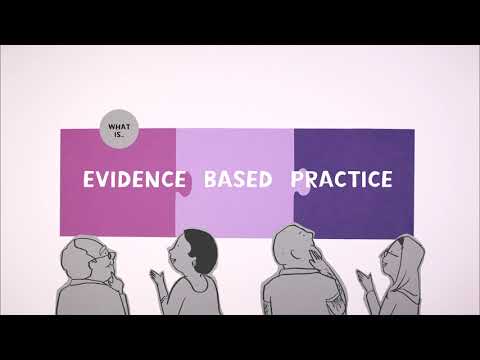
Evidence-based care in psychology can really help you find your way. It’s not about guesswork; it’s more like piecing together a puzzle with solid research and proven techniques.
So, let’s chat about how these methods can actually make a difference in your mental health journey. Sound good?
Understanding Evidence-Based Care in Mental Health: Key Principles and Benefits
When it comes to mental health, evidence-based care is like the gold standard. It’s all about using the best research and data to find out what actually works for different conditions. You know, instead of just winging it or relying on old-school methods that might not fit everyone.
So, what exactly does evidence-based care involve? Well, it combines three main things: research evidence, clinical expertise, and patient values. Let’s break each one down:
- Research evidence: This comes from studies and clinical trials that show how effective certain treatments are. For instance, cognitive-behavioral therapy (CBT) has tons of backing behind it for treating anxiety and depression.
- Clinical expertise: This is where a therapist’s or clinician’s experience kicks in. They know their stuff because they’ve worked with different patients and can tailor treatments based on what’s worked before.
- Patient values: This one’s super important! It means taking into account what matters to you as a person. Maybe you’re more into holistic approaches or perhaps medication feels right for you. Either way, your voice should be part of the conversation.
The benefits of using this approach can’t be overstated. First off, it leads to better outcomes. When treatments are grounded in proven techniques, you’re much more likely to see positive changes over time. It also helps clinicians avoid practices that might not be effective – why waste time on methods that don’t work?
Another perk is that it helps build trust between you and your mental health provider. When you know your therapist is using methods backed by solid research, you’re more likely to feel confident in their guidance.
Let me share a little story here: I once talked to someone who had struggled with depression for years. They had tried therapy after therapy without any real progress. Then they found a therapist who used evidence-based practices like CBT combined with mindfulness techniques tailored just for them. Over time, they slowly started feeling like themselves again! That’s the power of combining research with personal experience.
Incorporating evidence-based care means being open-minded too; sometimes new research surfaces that can change how we think about treatment options entirely! It keeps everyone in the field sharp and ready to adapt.
In summary, understanding evidence-based care in mental health isn’t just about following trends; it’s about integrating what truly works for each individual based on solid proof and personal context—making both patients and providers happier!
Top Evidence-Based Interventions for Improving Mental Health: A Comprehensive Guide
Talking about evidence-based interventions in mental health is like digging into a treasure chest of strategies that actually work. Basically, when mental health professionals talk about «evidence-based,» they mean those methods that have been tested and shown to help people across studies, populations, and settings. So, let’s dig into some of these interventions without all the fancy jargon.
Cognitive Behavioral Therapy (CBT) is one of the most tried-and-true methods out there. This approach emphasizes changing negative thought patterns. It’s not just about talking things through but taking action. For instance, if you struggle with anxiety, a therapist might help you challenge those worst-case scenarios that play on repeat in your mind.
Dialectical Behavior Therapy (DBT) is kind of like CBT’s cooler cousin. It focuses on emotions and helps people improve their emotional regulation skills. If someone experiences intense emotions or finds it hard to cope with stress, DBT can offer useful tools like mindfulness practices and distress tolerance skills. You know how sometimes life feels just too overwhelming? DBT helps folks manage that chaos.
When it comes to medication, antidepressants and anti-anxiety medications are often part of the picture. These can be real lifesavers for some people who struggle with severe symptoms but remember they usually work best when combined with therapy or lifestyle changes.
Mindfulness-Based Interventions are also making waves in mental health care lately. These practices teach you to focus on the present moment without judgment—kind of like putting down your phone during dinner and actually savoring each bite instead! This can be super effective for reducing stress and anxiety.
Another important intervention is Exposure Therapy. If you’ve got phobias or certain anxieties, this method gradually exposes you to what you’re afraid of in a controlled setting until it becomes less scary. Like if you’re afraid of spiders, imagine starting with pictures before moving on to the real deal over time—yikes but effective!
Group Therapy is also a notable mention here! Engaging with others going through similar experiences can feel grounding and empowering. You’re not alone in this messy thing called life—sometimes just sharing stories can lighten the load.
Lastly, let’s touch on Lifestyle Changes. Research shows that things like regular exercise, healthy eating habits, maintaining social connections, and getting enough sleep are key players in improving mental well-being. A jog around the block might just be what your brain needs!
So yeah, whether it’s therapy sessions packed with practical exercises or mindful moments sipping coffee while watching trees sway—there’s a lot out there to explore for better mental health! Finding what resonates with you is key; everyone’s journey looks different after all!
Top Scientifically Proven Strategies to Boost Your Mental Health
So, when we talk about boosting mental health, it’s like having your go-to toolkit, you know? There are some strategies that have a good amount of research backing them up. These are not just fluffy ideas; they’re grounded in science. Here’s a breakdown of some of the top strategies you can think about.
1. Exercise Regularly
Getting your body moving is one of the best things you can do for your mental health. Seriously! When you exercise, your brain releases endorphins—those feel-good chemicals that lift your mood. Whether it’s going for a walk in the park or hitting the gym, just find something you enjoy and keep at it.
2. Practice Mindfulness and Meditation
Mindfulness is all about being present. It helps clear your mind from all that chatter stressing you out. Meditation techniques can help reduce anxiety and depression by centering your thoughts. There are tons of apps out there to guide you through it, so it’s pretty accessible.
3. Connect with Others
We humans are social creatures by nature! Building strong relationships with friends and family can act like a buffer against stress. When you’re feeling low, talking it out with someone who gets it can make a world of difference. Remember that time when chatting with a buddy made everything seem more manageable? Yep, that’s the power of connection!
4. Sleep Well
Sleep is crucial for mental health; we really can’t overlook this one. Lack of sleep messes with our mood and thinking abilities big time! Aim for about 7-9 hours each night if you can—your brain deserves it!
5. Eat a Healthy Diet
What you put in your body matters a lot more than we often realize. A balanced diet rich in fruits, vegetables, lean proteins, and healthy fats can improve how you feel emotionally as well as physically. Ever had those days where junk food has left you feeling sluggish? Yeah, better food usually translates to better vibes.
6. Set Goals
Having something to strive for gives us purpose and direction—it’s like setting mini-milestones in life! Start small: aim to complete tasks that make your day feel productive. Accomplishing even little things adds up over time and boosts self-esteem.
7. Seek Professional Support
Sometimes we need that extra bit of help to sort through our feelings or challenges—it’s super normal! Therapy can provide tools tailored just for you to handle life’s ups and downs more effectively.
These strategies aren’t one-size-fits-all but picking one or two that resonate with you could spark some positive changes! So yeah, give them a shot if you’re looking for ways to feel better mentally—sometimes all it takes is just trying something new!
You know, there’s something pretty eye-opening about how psychology has evolved over the years. It’s like we’ve moved from a “try it and see” approach to really digging deep into what works when it comes to mental health. This whole idea of evidence-based care in psychology is a game-changer.
Basically, evidence-based care means relying on research and facts rather than just gut feelings or personal experiences. When a therapist uses techniques that have been proven effective by solid studies, it gives you a sense of trust, right? I mean, think of it like going to a doctor who prescribes medicine based on scientific evidence versus one who just goes with their hunch. There’s definitely a peace that comes with knowing your treatment is backed by data.
I remember chatting with my friend Sam during one of those late-night talks about life and mental health. Sam had been struggling with anxiety and decided to try therapy. The therapist used cognitive-behavioral therapy (CBT)—a type of evidence-based practice that focuses on changing negative thought patterns. At first, Sam was skeptical. But as she slowly went through the process, she could feel herself changing for the better. She said it felt more like unlocking parts of herself rather than just talking about her feelings aimlessly.
So yeah, when we talk about using strategies that are supported by evidence, we’re not just throwing darts in the dark hoping for a bullseye. It’s like having a roadmap—sure, you still might hit some bumps along the way, but at least you’re not driving blind.
However, there’s more to this story than just statistics and studies. Mental health is incredibly personal; what works for one person might not work for another. That’s where therapists come in—to mix those solid tools with an understanding of who you are as an individual.
In the end, embracing this evidence-based approach feels like moving towards something brighter in mental health care—making sure folks get help that’s rooted in real-world effectiveness rather than guesswork or trends. Because at the core of it all? It’s about people finding their way back to themselves and thriving instead of just surviving day-to-day. That’s worth celebrating!