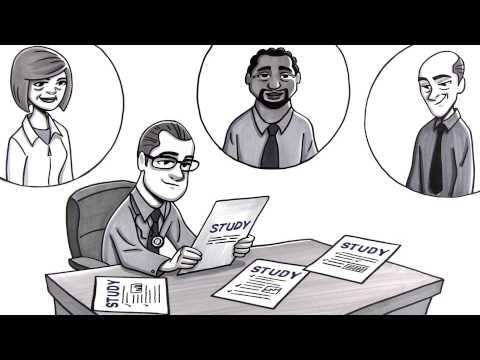
You know, when you think about mental health, it can feel kinda overwhelming, right? There’s just so much information out there.
And then you hear about “evidence-based practices.” Like, what even is that? Sounds fancy, huh? But really, it’s all about using solid research to guide how we treat mental health conditions.
Imagine your therapist pulling out their toolbox—a mix of science and art—to help you through tough times. It’s like having a game plan. Makes sense, doesn’t it?
So let’s chat about what evidence-based practices really look like in real life. Because understanding this stuff can totally change the way we think about mental health care delivery. You with me?
Exploring Evidence-Based Interventions in Mental Health: Strategies for Effective Treatment
Mental health treatment has come a long way, right? So now, we’ve got this cool thing called evidence-based interventions. Basically, these are strategies backed by research that show effectiveness in treating different mental health conditions. They’re like the gold standard for therapy and meds because they help clinicians know what works best for certain issues.
One of the most well-known approaches is Cognitive Behavioral Therapy (CBT). This one’s super popular and it helps you change negative thought patterns. For example, if you often think, «I’m a failure,» CBT helps you reframe that to something more realistic like, «I made a mistake, but I can learn from it.» It’s all about building better coping skills.
Then there’s Dialectical Behavior Therapy (DBT), which is great for folks dealing with intense emotions, often seen in borderline personality disorder. DBT emphasizes mindfulness and emotional regulation. Think of it as learning to ride a wave rather than getting knocked over by it when emotions hit hard.
Another effective method is Exposure Therapy, especially for anxiety disorders or phobias. If you’re terrified of snakes, exposure therapy might involve looking at pictures of snakes first and then gradually working up to being near one. It’s about facing your fears in a safe way so they lose their power over time.
Now let’s talk about those pesky medications. You’ve probably heard of antidepressants or anti-anxiety meds. These can be part of the evidence-based package too! SSRIs like fluoxetine can lift mood by changing how brain chemicals work. But remember, meds aren’t one-size-fits-all; what works wonders for one person might not do much for another.
One big deal in mental health care is the idea of integrated care. This means combining physical and mental health services under one roof. Why? Because mental health is just as crucial as physical health! If you’re struggling with depression and also dealing with chronic pain, having both issues addressed in tandem can lead to better outcomes.
It’s also essential to keep cultural competence in mind. This means understanding how someone’s background affects their experience with mental health — things like race, ethnicity, religion, or socioeconomic status matter a lot! Tailoring interventions to fit individual backgrounds leads to better engagement and outcomes.
Ultimately, evidence-based interventions are essential because they provide clear pathways toward healing. They take out some guesswork and increase the likelihood that treatment will be effective. But here’s the thing: therapy isn’t just about following protocols; it’s about connection between you and your therapist too. A strong therapeutic relationship can really amplify the benefits of any intervention.
So yeah, if you’re considering starting therapy or exploring treatment options for yourself or someone you care about, make sure those strategies have some solid evidence backing them up—it makes all the difference!
Understanding Evidence-Based Practice in Nursing for Mental Health: A Comprehensive Guide
Understanding evidence-based practice in nursing, especially in mental health, is super important. It means combining the best research with clinical expertise and patient preferences to get the best outcomes. Basically, it’s about knowing what works and using that knowledge to help people.
What’s Evidence-Based Practice? Well, it’s a way of making decisions in healthcare that relies on solid evidence. Nurses look at scientific research, their own experiences, and the values of their patients. They combine all these aspects to figure out the best way forward.
Why It Matters in Mental Health is clear. Mental health conditions often require a nuanced approach. Things like depression, anxiety, or PTSD can be complex and unique for each person. By using evidence-based practices (EBPs), nurses can tailor their care to meet individual needs while also ensuring that they use methods that have been shown to work.
You might wonder how this actually plays out in real life. Here are some key points:
- Research Studies: Nurses stay updated on the latest studies about treatments for mental health issues. This means they know what therapies have good data backing them up.
- Clinical Guidelines: Professional organizations often create guidelines based on the best available evidence. Nurses use these as a roadmap for effective treatment.
- Patient Input: Listening to what patients want matters! Evidence-based practice isn’t just about following protocols; it’s about incorporating patient preferences into care plans.
- Continuous Learning: Mental health practices evolve over time, so nurses need ongoing education and training to keep up with new findings.
Let me share a little story here: I once talked with a nurse who worked in a busy psych unit. She mentioned how she always went back to research when deciding the best approach for her patients—whether it was medication management or therapy methods like cognitive-behavioral therapy (CBT). One patient was really struggling with anxiety and had been through several different treatments without much success. But because she used EBPs, the nurse found an approach backed by strong evidence that finally resonated with him—he felt heard and understood.
The Role of Collaboration plays a big part too! When nurses work closely with psychologists, psychiatrists, and social workers, they can create well-rounded treatment plans that bridge different areas of expertise.
In short, understanding evidence-based practices in mental health nursing helps ensure people receive effective care based on real data combined with personal experiences and preferences. It’s all about improving lives by being informed and compassionate at the same time!
Top Evidence-Based Practices in Mental Health: A Comprehensive Guide
It’s so important to chat about evidence-based practices in mental health, you know? These approaches have been proven to work through research and real-world results, which is kinda cool when you think about it.
Cognitive Behavioral Therapy (CBT) is one of the big players here. It helps you spot and change negative thoughts and behaviors. Imagine feeling overwhelmed by anxiety over a small task. CBT guides you to challenge those anxious thoughts and replace them with more balanced ones. Plus, it’s versatile and can tackle issues like depression, PTSD, or even OCD.
Another major approach is Dialectical Behavior Therapy (DBT). Originally designed for borderline personality disorder, DBT focuses on teaching skills to manage emotions and improve relationships. Picture someone trying to handle strong feelings without spiraling. DBT gives practical tools like mindfulness and distress tolerance skills, making a noticeable difference in daily life.
Then there’s Motivational Interviewing (MI). This one’s all about helping you find your own reasons for change. Instead of a therapist telling you what to do, MI encourages a conversation that helps clarify your motivations. For instance, if you’re struggling with substance use issues, MI can help uncover why you want to make changes for yourself.
We also can’t skip over Exposure Therapy. If phobias or PTSD are affecting your life, this practice gradually exposes you to the fear in a safe way. Imagine being terrified of spiders; exposure therapy would mean slowly getting comfortable around pictures of them before moving on to real-life encounters!
Mindfulness-Based Stress Reduction (MBSR) deserves a shout out too! It combines meditation and yoga to increase awareness and decrease stress. You know how sometimes just sitting quietly feels restorative? MBSR takes that feeling up a notch by teaching how to focus on the present moment, which can alleviate anxiety.
Lastly, Medication often plays a role too. While it may not be an approach in itself like the others mentioned here, it’s often used alongside therapy as part of an overall treatment plan for conditions such as depression or anxiety disorders.
So these evidence-based practices really give people solid tools and strategies toward better mental health. The goal is always that they empower you—giving back some control in what can feel like chaotic times in life!
So, let’s chat about evidence-based practices in mental health care. You know, it’s that phrase that gets tossed around a lot—like, “Oh yeah, we use evidence-based practices.” But what does it actually mean for you and me?
Basically, evidence-based practice (EBP) is all about using the best available research to make decisions in therapy and treatment. Imagine going to a doctor who only relies on their gut instinct rather than the latest studies or proven methods. Sounds a bit scary, right? You want your therapist or psychiatrist to use treatments that have been tested and shown to work.
I remember when my friend was struggling with anxiety. She tried a bunch of approaches—some worked better than others—but eventually she found a therapist who focused on cognitive behavioral therapy (CBT). That’s what I mean by EBP. CBT is backed by heaps of research showing it helps people manage anxiety effectively. She started feeling more in control of her thoughts and emotions after just a few sessions.
But here’s the thing: while evidence is super important, it’s not the whole picture. Context matters, too! It’s like finding out you’re allergic to something; it doesn’t help your doctor just throw random treatments at you without considering your unique situation.
Also, mental health isn’t one-size-fits-all. What works wonders for one person could be totally ineffective for another. So therapists need to blend those solid research-backed methods with their intuition and experience about what resonates with you as an individual.
In a world where mental health services can feel overwhelming or even untrustworthy at times, knowing that EBP is being used can bring some comfort. It feels good to think there’s more science involved than just someone trying stuff out on you like an experiment.
So really, evidence-based practices aren’t just about following the latest trends—they’re about making sure you get the most effective care based on reliable data while also being treated as an individual with your own unique experiences and challenges. That combo can seriously make all the difference in your journey toward better mental health!