You know, when we think about mental health, we often picture therapy sessions or medications. But there’s so much more to it. Seriously!
Occupational therapy plays a massive role in helping people find their footing. It’s all about doing things that matter to you, you know?
Imagine someone who loves painting but hasn’t touched a brush in years because of anxiety. An occupational therapist jumps in, helps them reconnect with that joy, and boom! They’re back at it.
Evidence-based practices in this field take things a step further. They combine personal experience with scientific research to make sure what works is actually working.
Pretty cool, right? Let’s dig into how these approaches can change lives and make a real difference for folks dealing with mental health challenges. Trust me; it’s worth exploring!
Understanding the EBP Model of Occupational Therapy: Enhancing Mental Health Outcomes
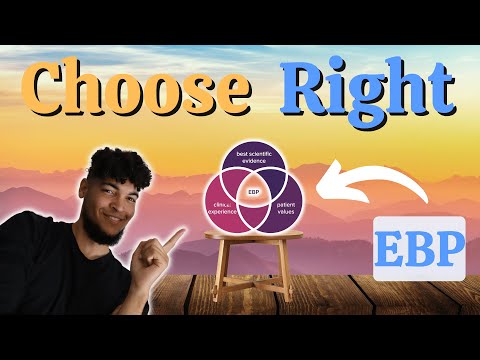
The Evidence-Based Practice (EBP) model in occupational therapy is all about combining the best research available with clinical expertise and patient values. Basically, it’s a way for therapists to make informed decisions that really fit the needs of the individuals they’re helping. It’s not just a set of techniques; it’s an approach that can improve mental health outcomes significantly.
In occupational therapy, EBP means using interventions that have been shown to work through research. This isn’t just about grabbing the latest fad off the shelf; it’s about solid, proven methods that support mental health. Think of it as using a roadmap to guide you rather than wandering around aimlessly.
There are several key components to consider when talking about EBP in this field:
- Research Evidence: This refers to scientific studies and data supporting specific therapeutic techniques. For example, studies might show that certain cognitive-behavioral strategies help people manage anxiety better.
- Clinical Expertise: This is where your therapist’s own experience comes into play. They know what has worked for other clients and can adapt strategies based on their professional instincts.
- Patient Preferences: What do you want? Your opinions and goals are crucial! If you feel uncomfortable with a certain approach, then it’s important that your therapist knows that and adjusts accordingly.
Using EBP means occupational therapists can develop personalized treatment plans. Let’s say someone is struggling with depression and has trouble getting out of bed each morning. The therapist might use an evidence-based approach like activity scheduling, which involves planning enjoyable activities throughout the week. This method has research backing it up, so it’s not just random guesswork.
Another aspect worth mentioning is how EBP encourages continuous learning for therapists. They’re always checking out new studies or evidence and tweaking their methods accordingly. It keeps everything fresh and relevant!
You know how some days feel heavier than others? Well, EBP doesn’t promise instant solutions but aims at making gradual improvements over time through consistent application of practice backed by evidence. For example, someone dealing with chronic stress might engage in mindfulness practices because they’ve been validated by solid research showing they help reduce stress levels.
In wrap-up news? The EBP model enhances mental health outcomes in occupational therapy by ensuring that techniques are effective, adaptable, and respectful of each person’s unique journey. So next time you’re in a therapy session or talking about mental health approaches, remember how important it is that interventions are grounded in solid evidence while also being tailored to who you are as a person!
Understanding Evidence-Based Practice in Occupational Therapy: A Comprehensive PDF Guide
Occupational therapy (OT) is all about helping people do the things they want to do, whether it’s getting dressed, going back to work, or even enjoying hobbies. Now, when we talk about evidence-based practice in OT, we’re diving into something pretty crucial. Basically, it’s about using the best available research combined with clinical expertise and patient values to guide therapy decisions.
So here’s the thing: evidence-based practice isn’t just a fancy term. It’s like this ongoing conversation between what researchers are discovering and what therapists see in their everyday work. The goal? To get the most effective treatments for clients.
- Research Evidence: This refers to the structured studies and trials that show how effective certain therapies can be. For instance, if there’s a study that proves a specific type of hand therapy helps stroke patients regain movement better than another method, that’s gold.
- Clinical Expertise: Every therapist has their own set of skills from years of working with patients. They know what works based on their experiences.
- Client Preferences: Sometimes clients have unique needs or preferences that really matter when planning treatment. One patient might thrive on social interaction while another may prefer solitary activities.
Think of it like a recipe for success. You need all the ingredients mixed just right!
Let me share an example: imagine you’re working with someone recovering from a hand injury. Research might suggest specific techniques for rehabilitation that speed up recovery. But let’s say your client is terrified of pain due to past experiences with physical therapy; you would need to adjust your approach based on their feelings while still adhering to trusted methods.
What’s more, evidence-based practices can shift over time as new studies come out or as therapists learn new techniques that have proved successful. This keeps everyone on their toes!
In occupational therapy and mental health specifically, using evidence-based practice might look like integrating cognitive-behavioral strategies into sessions when dealing with anxiety disorders or using mindfulness techniques for stress management—both approaches backed by research showing positive outcomes.
Ultimately, understanding how evidence-based practices fit into occupational therapy means you’re focusing on treatments that truly matter and make real differences in peoples’ lives. It’s not just about following rules; it’s about being adaptable and making informed choices based on solid knowledge and personal insights—not to mention how important it is for building trust with clients as well.
10 Evidence-Based Practice Examples in Occupational Therapy for Improved Mental Health Outcomes
Sometimes, when we think about mental health, we forget how intertwined it is with our daily activities. Occupational therapy (OT) steps in here, blending practical life skills with therapeutic techniques to help you live your best life. Here are some evidence-based practices in OT that can seriously boost mental health outcomes:
1. Activity Engagement: One of the cornerstones of OT is helping people engage in meaningful activities. This could be anything from gardening to cooking. Research shows that participating in enjoyable tasks can lift your mood and reduce anxiety.
2. Mindfulness-Based Interventions: Mindfulness helps you stay present and focused, which is so important for mental wellness. OTs use techniques like meditation or breathing exercises to calm the mind and improve emotional regulation.
3. Cognitive-Behavioral Techniques: This is about changing negative thought patterns. OTs often incorporate CBT strategies into therapy sessions, helping you recognize and alter unhelpful thoughts that impact your daily functioning.
4. Sensory Integration Therapy: If you struggle with sensory processing issues, this practice can help. It involves using different sensory experiences – like textures or sounds – to help you better manage overwhelming situations and emotions.
5. Social Skills Training: Building connections with others is huge for mental health! OTs can help you develop essential social skills through role-playing exercises and real-life practice so that interactions become more manageable.
6. Routine Development: Establishing a solid daily routine can really enhance stability and predictability in life, which may reduce anxiety levels for many people. OTs work with clients to create routines that incorporate self-care, leisure, and productivity.
7. Environmental Modifications: Sometimes, small changes in your environment can vastly improve mental well-being. For instance, an OT might suggest rearranging your living space or using specific tools to make daily tasks less overwhelming.
8. Group Therapy Activities: There’s something healing about being together with others who understand what you’re going through. Group activities led by an OT can foster community while providing support through shared experiences.
9. Goal Setting**: Working toward personal goals gives a sense of purpose and accomplishment—two major boosts for mental health! OTs assist clients in creating realistic goals tailored to their needs and interests.
10. Strength-Based Approaches**: Focusing on what you’re good at instead of just what’s wrong can be powerful! OTs help identify your strengths and use them as building blocks for improving overall well-being.
So yeah, these evidence-based practices show how occupational therapy isn’t just about «doing stuff»—it’s a holistic approach grounded in improving mental health outcomes while engaging with life’s everyday challenges.
You know, when we talk about Evidence-Based Practices (EBP) in occupational therapy and mental health, it really hits home how crucial it is to blend science with the real-life experiences of folks struggling with their mental health. I remember a friend of mine who had gone through some tough times. She was dealing with anxiety and depression, and finding the right help felt like navigating a maze.
In her journey, she stumbled upon an occupational therapist who used EBP techniques. It was eye-opening for her! The therapist didn’t just throw random strategies at her; instead, they relied on research-backed methods that were tailored to her specific needs. Like, they focused on activities that brought her joy while also helping her develop new skills to manage stress and anxiety. So, instead of just sitting there talking about feelings—which can be super helpful too—they engaged in meaningful activities that made sense for my friend’s life.
Seriously, it’s all about using proven methods to create a solid foundation for recovery and growth. When therapists integrate these practices based on up-to-date research findings, they’re more likely to produce positive outcomes for their clients. And let’s face it—mental health can be so complicated, right? So having strategies that are backed by solid evidence just makes sense.
But the thing is, even the best practices won’t do much if they’re not personalized to fit each individual’s unique situation. Just because something works wonders for one person doesn’t mean it’s going to click for another—that’s where the magic happens in therapy! An evidence-based approach encourages professionals to stay flexible and responsive, listening closely to what clients need as they navigate their own experiences.
To sum it up, EBP in occupational therapy isn’t just a buzzword; it’s a lifeline for many people seeking ways to manage their mental health effectively. It’s like having a map that guides you through those twisting paths in your head while helping you find activities that make you feel grounded again. And hey, isn’t that ultimately what we all want? A little more peace of mind and happiness?