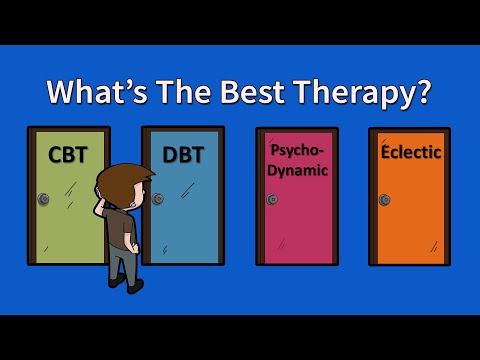
You know that feeling when you’re stuck in a rut? Like, you wanna feel better but have no clue where to start?
Well, that’s where evidence-based practice comes in. It’s all about using the best info out there to help people with their mental health. No guesswork, just solid research guiding us.
Imagine if your therapist had a toolbox filled with techniques that are proven to work. Sounds good, right?
In this chat, we’ll dig into what evidence-based practice looks like in psychology and mental health. You’ll see how it can make a real difference in people’s lives—yours included!
Top Evidence-Based Practices for Enhancing Mental Health: Effective Strategies and Techniques
So, when we talk about enhancing mental health, there are a whole bunch of evidence-based practices that can really make a difference. These practices are backed by research and show positive results for many people. You know, these aren’t just random ideas or trends; they’re proven strategies to help folks feel better. Let’s break it down.
Cognitive Behavioral Therapy (CBT) is probably one of the most popular approaches out there. It focuses on identifying negative thought patterns and challenging them. The idea is that if you change the way you think, you can change how you feel and act. For example, if someone constantly thinks they’re failing at work, CBT helps them see that maybe they’re just having a rough week instead of being a complete failure.
Mindfulness-Based Stress Reduction (MBSR) is another effective practice. It combines mindfulness meditation with yoga to help reduce stress and improve overall well-being. Seriously, it’s all about being present in the moment and noticing your thoughts and feelings without judgment. People often say they feel more grounded after practicing mindfulness regularly.
Dialectical Behavior Therapy (DBT) is especially useful for people who struggle with intense emotions. Developed originally for borderline personality disorder, it teaches skills in four key areas: mindfulness, distress tolerance, emotional regulation, and interpersonal effectiveness. Imagine feeling overwhelmed by anger or sadness; DBT gives you tools to cope without spiraling.
Exposure Therapy can be super effective for anxiety disorders or phobias. It involves gradual exposure to the source of fear in a safe environment until the fear response decreases significantly over time. Picture someone who’s afraid of spiders; through exposure therapy, they might start by looking at pictures of spiders before eventually handling one!
Medication, like antidepressants or anti-anxiety medication, plays an important role too but often works best when combined with therapy or lifestyle changes. While not everyone needs meds for their mental health challenges, when used appropriately under supervision from a healthcare professional, medications can really boost your mood or calm your mind down.
Physical Activity shouldn’t be overlooked either! Moving your body can have huge benefits for mental health thanks to feel-good hormones called endorphins that get released when you exercise. Even a simple walk outside can lift your spirits—seriously! Think about those times you felt clearer after some fresh air.
Another key practice is Adequate Sleep Hygiene. Getting enough quality sleep is crucial for emotional regulation and cognitive function. Poor sleep can drive anxiety up through the roof! Establishing a relaxing bedtime routine might involve winding down with dim lights or putting away screens an hour before bed so your mind isn’t racing.
And let’s not forget about SOCIAL SUPPORT. Having strong relationships with friends and family can buffer stress and enhance resilience during tough times. Simply talking things out with someone who cares can bring such relief! You may find comfort just knowing you’re not alone in what you’re facing.
Incorporating these evidence-based practices into everyday life takes time—but that’s okay! Small changes add up over time like drops filling up a bucket until it’s overflowing with positivity instead of negativity.
So whether it’s seeking therapy, incorporating mindfulness into your day-to-day routine, getting active physically—or even reaching out to loved ones—there’s no one-size-fits-all approach here. The important thing is finding what works best for YOU because everyone deserves good mental health!
Understanding Evidence-Based Practices in Mental Health: Examples and Insights
When we talk about evidence-based practices in mental health, we’re discussing approaches that have been tested and proven effective through research. It’s like finding out what really works, instead of just guessing. Imagine a chef who measures everything to create the perfect recipe instead of just throwing ingredients together. You want the best outcomes for yourself or a loved one, right? That’s exactly what evidence-based practices aim for.
The thing is, evidence-based practices incorporate scientific research, clinical expertise, and patient values. So it’s not just about what the studies say; it also takes into account what feels right for you as an individual. This combination can really make a difference in therapy and treatment plans.
- Cognitive Behavioral Therapy (CBT): This is one of the most well-known evidence-based practices. CBT focuses on changing negative thinking patterns and behaviors. For example, let’s say someone struggles with anxiety; CBT might help them identify those anxious thoughts and reframe them more positively. I once heard about a guy named Tom who felt trapped by his fears. After some CBT sessions, he learned to confront situations he used to avoid—like speaking in public! And guess what? He ended up giving a speech at his best friend’s wedding!
- Dialectical Behavior Therapy (DBT): This technique is especially useful for folks dealing with intense emotions or borderline personality disorder. DBT teaches skills like emotional regulation and mindfulness. There was this woman named Sarah who often felt overwhelmed by her emotions. Through DBT skills training, she learned how to ride those emotional waves without being taken under completely—kind of like surfing but for feelings!
- Exposure Therapy: Here’s where you gradually face your fears in a safe environment—no jumping into the deep end right away! If someone has a phobia of spiders, exposure therapy might start with looking at pictures of spiders before moving on to being in the same room as one. A friend of mine had this process done for her fear of flying; step by step, she worked through her anxiety until she confidently boarded a plane!
- Medication Management: While not therapy per se, medications can be part of evidence-based treatment plans too! These can range from antidepressants to anti-anxiety meds that help balance brain chemicals affecting mood and behavior.
The effectiveness of these practices comes from research studies backing them up—not just anecdotes—but real data showing their success rates over time with different populations.
But here’s where it gets interesting: despite their effectiveness, not every therapist or practitioner uses these methods uniformly. Some may blend techniques based on their style or their patients’ needs—they’re kind of like culinary chefs mixing classic recipes with personal flair.
If you’re considering treatment options, look for professionals who highlight evidence-based practices as part of their approach. It could lead you toward better outcomes—you deserve that! Ultimately, the road might feel long sometimes but knowing there are proven methods out there can reassure you that progress is possible.
So remember: when you hear “evidence-based,” think reliable, tested strategies tailored to fit individual needs—just like finding that perfect recipe that works for *you*!
Unlocking Mental Wellness: The Key Benefits of Evidence-Based Practices in Mental Health
Mental wellness isn’t just a buzzword; it’s about feeling your best emotionally and mentally. One way to get there is through **evidence-based practices** in mental health. So, what does that mean? Basically, it refers to therapies and treatments that have been scientifically tested and proven effective. Let’s break it down.
First off, these practices rely on research. Therapists and mental health professionals look for therapies that have shown real results in studies. This means you’re not just getting some random advice; you’re tapping into methods that work for many people. It’s like going to a restaurant that has good reviews instead of just picking a place at random.
Another cool thing about evidence-based practices is they are continuously updated. Research in psychology is always evolving, which means therapists can adjust their approaches based on the latest findings. If something new comes up that shows a certain technique is more effective, they’ll use it! It’s all about finding what’s working best today.
You might be wondering how these practices actually help people. Here are some key benefits:
- Improved Outcomes: When you use treatments backed by solid evidence, you’re much more likely to see positive results.
- Personalization: These methods allow therapists to tailor treatments based on individual needs and circumstances.
- Empowerment: Knowing that your treatment is scientifically validated can give you confidence in your healing journey.
Now, let me share a quick story. A friend of mine was struggling with anxiety for years. She tried various things but felt stuck until she found a therapist who used cognitive-behavioral therapy (CBT), an evidence-based practice shown to help with anxiety. Over time, she learned techniques to manage her thoughts and feelings better—and now she’s doing so much better! It’s all about finding the right evidence-backed approach for each individual.
One last important point: while evidence-based practices are great, they aren’t one-size-fits-all solutions. What works wonders for one person might not click for someone else; personalization matters here too! That’s why therapists often combine different approaches or adapt popular methods to fit each person’s unique situation.
To sum up, tapping into **evidence-based practices** can be a game-changer for your mental health journey because they bring together science and personal experience in therapy. You deserve treatment that’s been proven to work—and this approach makes sure of it!
You know, when you hear «evidence-based practice» in psychology and mental health, it kinda sounds like a fancy term, right? But really, it’s just about using what actually works to help people. It’s like when you go to a restaurant and look at reviews before ordering. You want to choose the dish that’s been praised—the one that people say is satisfying and delicious. In the same way, mental health professionals rely on research and data to decide on treatments.
I remember this time when a close friend was struggling with anxiety. She tried different therapies—some that were more about talking things out and others that involved more structured approaches, like cognitive behavioral therapy (CBT). The difference in how she felt after each session was pretty telling. CBT is one of those evidence-based methods; it’s backed by lots of studies showing it can really help folks change harmful thought patterns. She found it effective and started feeling much better after a few weeks.
But here’s the thing: just because something is evidence-based doesn’t mean it’s a one-size-fits-all deal. It’s still important for therapists to consider individual needs. What works for one person might not work for another, which is where the art of therapy comes in. That’s why finding a good therapist who listens and adapts can make such a big difference.
So yeah, evidence-based practice is super important since it helps professionals pick options with proven success rates. But don’t forget that at the end of the day, therapy is also about connection and understanding—those human elements make all the difference!