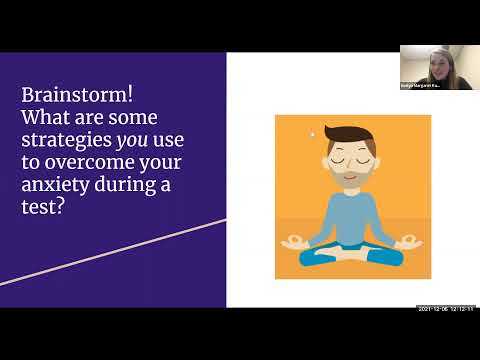
Exam season, right? Ugh, it can be rough. You know that feeling when your heart starts racing the night before a test? Yeah, that’s exam anxiety sneaking in. It’s like having a little monster sitting on your chest, making it tough to breathe or focus.
And let me tell you, you’re not alone in this. So many students feel the pressure. It’s not just about knowing the material; it’s about everything else swirling around your mind too.
Sometimes, it can be hard to tell if it’s just nerves or something more serious. But spotting those symptoms is super important. Ignoring them won’t help anyone!
So let’s chat about what exam anxiety really looks like and how you can recognize it before it derails everything you’ve worked for. Sound good?
Effective Strategies for Students to Conquer Exam Anxiety and Boost Performance
Exam anxiety can be a real struggle for students. You know, it’s not just about feeling nervous. Some folks get the sweaty palms, racing heart, or even that awful pit in your stomach. These feelings can totally mess with how you perform on tests. Recognizing those symptoms is the first step to tackling them.
When you start to notice that tightness in your chest or feel like your brain’s gone blank during exams, it’s time to take action. Here are some effective strategies that can help you conquer that anxiety and maybe even boost your performance.
Practice Relaxation Techniques: This is huge! Deep breathing exercises can work wonders. Just take a minute before you start studying or during the exam to inhale deeply through your nose and exhale slowly through your mouth. It calms down your nervous system which helps clear your head.
Stay Organized: Having a study plan can seriously reduce anxiety. Create a schedule that breaks down what material you need to cover and when, so everything feels more manageable. Trust me, seeing it all laid out helps lessen the chaos in your brain.
Simulate Test Conditions: Try taking practice exams under timed conditions similar to the real deal. You’ll become more familiar with the pressure of taking exams and build confidence over time. Plus, it gives you an idea of what parts of the material you’re still shaky on.
Prioritize Sleep: Seriously, don’t underestimate this one! A good night’s sleep before an exam can sharpen your focus and memory recall. Cramming at all hours isn’t gonna help you in the long run; getting enough rest is key.
Positive Self-Talk: Your internal dialogue matters a lot more than people realize! Instead of «I’m gonna fail,» try flipping it to «I’m prepared» or «I’ve done my best.» It sounds simple but rewiring those thoughts can change how you feel going into an exam.
Avoid Cramming: The night before should be for reviewing key points rather than trying to memorize everything last minute. Spreading out study sessions over days or weeks helps reinforce what you’ve learned without overwhelming yourself right before an exam.
Connect with Others: Sometimes just chatting about how you’re feeling with friends can lighten the load. Forming study groups makes it easier to share concerns and support each other as you prepare for exams together.
So yeah, if you’re dealing with exam anxiety, remember it’s normal and you’re not alone in this struggle! Implementing these strategies may not wipe out all the nerves immediately but they’ll definitely give you some tools for better handling those butterflies when test time rolls around!
Overcome Test Anxiety: Take Our Interactive Quiz to Assess Your Stress Levels
Test anxiety can really mess with your head, huh? If you’re a student, you’ve probably felt that pit in your stomach right before an exam. It’s like all that preparation just flies out the window. But hey, you’re not alone. A lot of students struggle with this.
So, what is test anxiety anyway? It’s that overwhelming sense of worry or fear that pops up when you face a big test. It can feel like you’re carrying a ton of bricks on your shoulders as you walk into the exam room. You might sweat more than usual, feel shaky, or even blank out when it’s time to write.
Recognizing the symptoms is key to tackling it head-on. Here are some signs that you might be dealing with test anxiety:
- Physical symptoms: Things like headaches, rapid heartbeat, or stomachaches before an exam.
- Emotional signs: Feeling overwhelmed, irritable, or constantly worried about performance.
- Cognitive effects: Trouble concentrating or remembering what you’ve studied.
- Behavioral changes: Avoiding studying or even skipping classes because of fear.
It’s totally normal to feel nervous; it’s part of being human! But when those feelings start to interfere with your ability to perform well on tests, that’s where the issue lies.
Now let’s talk about how you can get a clearer picture of where you stand. That’s where interactive quizzes come in handy! These quizzes often help assess your stress levels and give you insights into how you’re managing that anxiety. You answer some questions about how you’re feeling before tests and get feedback afterwards. Simple enough!
And here’s an idea: think back to a time when you were hyper anxious before an exam. Remember that feeling? Maybe you couldn’t sleep the night before because thoughts raced through your mind—or maybe you stared at questions during the test, completely blanked out? Those experiences matter; they help shape how we approach exams in the future.
Once you’ve recognized these feelings and took a quiz if it helped (or just reflected on past experiences), it’s important to develop strategies to cope better next time around. Some folks find mindfulness exercises beneficial—they really ground you and keep your mind clear amidst chaos. Others swear by deep breathing techniques right before entering the testing room; it can cut down on panic levels quite a bit!
Another thing: practice makes perfect! Try simulating exam situations at home—time yourself while taking practice tests so nothing catches you off guard during the real thing.
If all else fails? Talking to someone—a friend or maybe even a school counselor—can provide support for managing those feelings better.
In short, test anxiety is common but manageable with awareness and coping strategies. So next time those nerves kick in, remember you’re equipped to handle them!
Understanding Test Anxiety: Why It’s Less Common Among Students Than You Think
Test anxiety can feel like an overwhelming monster for many students. But you know what? It’s actually way less common than most people think. Seriously! Let’s break it down a little.
First off, test anxiety is that nagging fear or worry you get before an exam, and it can mess with your concentration. You might have symptoms like sweating, rapid heartbeat, or even feeling nauseous. But here’s the kicker: not every student feels this way. In fact, research shows that only about 10-15% of students really struggle with significant test anxiety.
So why isn’t it more prevalent? Well, it turns out there are a few reasons behind this population number. For one thing, many students have learned to manage their stress in positive ways. They might use techniques like deep breathing or visualization to keep their cool when the pressure is on. Others just go into the test with a “whatever” attitude—like they understand that one exam doesn’t define their entire future.
Another point to consider is the role of preparation. Students who study effectively and set realistic goals for themselves often feel more confident heading into exams. That confidence can really reduce anxiety levels! If you know your stuff, you’re less likely to freak out about it.
And hey, we’ve all been there—overtired from late-night cramming or freaking out over unexpected questions can add to the stress. But here’s a thought: education systems are starting to recognize that mental health matters. Many schools offer resources such as counseling and workshops to help students build coping strategies.
In addition, cultural factors play a role too. Some cultures emphasize success heavily, which may ramp up pressure but also equip kids with resilience and coping skills to deal with stressors better—they learn early on how to handle difficulties without falling apart.
You might be surprised at how this all comes together! It shows us that while test anxiety is real for some folks, lots of students learn how to deal with that stress in effective ways so they can approach exams without losing their minds over them.
But if you’re feeling overwhelmed by these feelings? It’s totally okay. Talking about it helps! There’s no shame in reaching out for support because everyone handles stress differently. What matters most is finding your own path through those nerves when it’s time for exams!
Exam anxiety is a real thing, and honestly, it can hit hard. You know that feeling when your stomach’s doing somersaults right before a big test? Or when your mind just goes blank, even if you studied for hours? Yeah, that’s pretty much the classic picture of exam anxiety.
I remember back in high school; I had this huge math exam coming up. I’d done all the prep work—flashcards, late-night study sessions with friends—and yet, the night before, I couldn’t sleep. I was tossing and turning like I was on a rollercoaster! The pressure felt like an elephant sitting on my chest. When test day finally rolled around, I sat down at my desk and could barely write my name. It was tough.
So what are some signs you might be dealing with this? Well, aside from the jitters and sleepless nights, there’s also this overwhelming fear of failure. Like, every time you think about the test, your heart races or you start sweating buckets (not fun!). Some students also experience physical symptoms—headaches or stomach aches can sneak in there too. And let’s not forget about that dreaded brain fog! It’s like all the information just vaporizes from your mind.
Sometimes students might try to avoid studying altogether; they convince themselves it’s better not to try than to fail. Or they might procrastinate until the last minute because facing that anxiety head-on feels daunting.
Recognizing these symptoms is important because once you see what’s going on, you can tackle it better. Seriously! Talking to someone—a friend, teacher, or even a counselor—can really help lighten that load. Sharing those feelings makes them less scary somehow. Plus, finding ways to manage stress—like breathing exercises or breaks—can make all the difference.
So if you’re feeling anxious as exams come around again this year or see a friend struggling with it, just remember: you’re not alone in this chaos! It’s okay to feel overwhelmed; what matters is finding ways to cope with that anxiety so it doesn’t take over completely.