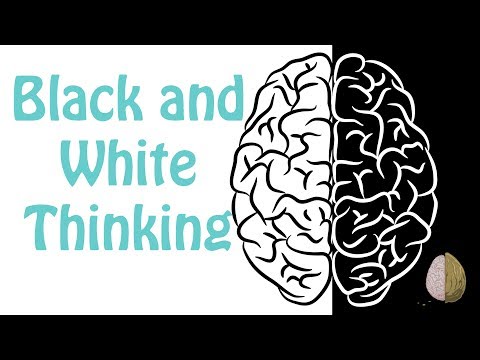
You know that feeling when everything seems so clear-cut? Like, it’s either right or wrong, good or bad? Well, that’s what they call black and white thinking.
It’s super common, but man, can it mess with your head. Seriously, it often leads to stress and anxiety. You’re either on top of the world or in a pit, no middle ground.
Imagine feeling like you have to be perfect all the time. Talk about pressure! This kind of thinking can trap you in a loop where… well, you just can’t catch a break.
Let’s chat about why it’s dangerous and how it shows up in our lives. You’ll want to stick around for this one!
Exploring the Long-Term Effects of Black and White Thinking on Mental Health
Black and white thinking, also known as all-or-nothing thinking, is when you see things in extremes. It’s like viewing life through a filter that only shows the highs and lows without any middle ground. This can have some serious long-term effects on your mental health.
When you constantly think in black and white, it can lead to chronic stress and anxiety. You might feel like everything is either perfect or a total disaster. Imagine you’re at work: if you don’t get an A on your project, it feels like you’ve failed completely, even if you did well overall. This pressure creates a cycle of anxiety, where you’re always worried about meeting unrealistic standards.
Another major issue is that black and white thinking can harm relationships. If your mindset pushes you to see people as either good or bad, it’s tough to maintain friendships or romantic connections. For example, if a friend forgets your birthday, you might think they’re a terrible friend instead of considering that everyone makes mistakes sometimes. This kind of thinking leads to misunderstandings and resentment.
Mental health conditions like depression often feed off black and white thinking too. You might believe you’re hopeless if things don’t go perfectly. It creates an emotional rollercoaster where good days feel fleeting and bad days seem permanent. Over time, this can deepen feelings of worthlessness or sadness.
One unexpected impact of this mindset is self-criticism. You may find yourself being incredibly harsh on yourself for small errors while ignoring your accomplishments. Think about it: if you miss a workout once, do you focus on that instead of celebrating how consistent you’ve been over time? This negative self-talk only adds fuel to feelings of inadequacy.
It can also affect decision-making skills. When trapped in black-and-white views, making choices becomes daunting because everything feels like it’s life or death. You might second-guess yourself constantly or struggle with indecision because you’re afraid to make the wrong choice.
Instead of just being stuck in extremes, practicing cognitive flexibility can help shift your perspective over time. It involves recognizing that most experiences are nuanced and that there’s often a middle ground—like acknowledging that someone who annoys you at times can still be a good friend overall.
So the next time you’re faced with either-or choices in life or judging others (or yourself), take a moment to pause and consider the gray areas—the complexity of human relationships and experiences. Acknowledging these shades means moving towards more balanced mental health practices!
Understanding Black-and-White Thinking: Is It a Coping Mechanism for Stress?
Black-and-white thinking, or all-or-nothing thinking, is that mindset where things feel super extreme. You’re either on top of the world or down in the dumps. It’s like seeing life only in shades of black and white, without any gray areas. This way of thinking can seriously mess with your mental health.
So, why do people slip into this kind of thinking? Well, it often serves as a coping mechanism. When stress hits hard—maybe it’s work pressure, relationship issues, or just the chaos of everyday life—simplifying problems can feel like a relief. Instead of navigating the messiness of emotions and situations, you create categories. “I’m either a success or a failure.” “He’s either my friend or my enemy.” That feels easier, doesn’t it? But let me tell you, while this might help short-term, long-term? Not so much.
Here are some key dangers of black-and-white thinking:
- Increased Anxiety: When you perceive everything as extreme, even small setbacks can trigger panic.
- Difficulty in Relationships: It can lead to misunderstandings. If someone slips up once, are they suddenly out of your life for good?
- Lack of Self-Compassion: You might find it hard to forgive yourself for mistakes if you see them as failures instead of learning opportunities.
- Stunted Growth: When you avoid the gray areas and complexities in life, personal growth stalls.
Let me share a quick story to illustrate this: Imagine Sarah. She’s been working really hard at her job but messes up on a project deadline. Instead of recognizing it as a hiccup—something she can learn from—she spirals into thinking she’s not cut out for her job at all. Suddenly her whole self-worth is tied to that one mess-up! This wasn’t just an isolated incident; it set off anxiety that affected other areas in her life.
The thing is, learning to recognize those black-and-white thoughts is crucial for coping better with stress. You have to challenge that inner critic telling you that things must be perfect or disastrous. You could ask yourself questions like: “Is there another way to look at this?” or “What would I tell a friend facing the same situation?” By doing so, you start shifting toward more balanced perspectives.
Additionally, some therapeutic approaches tackle black-and-white thinking head-on. Cognitive Behavioral Therapy (CBT), for example, helps people identify distorted thought patterns and reframe them into more balanced views. It’s pretty powerful stuff!
In essence, black-and-white thinking might seem like an easy way to cope when stress levels rise but navigating through those gray areas often leads to healthier emotional experiences and relationships over time. So keep an eye out for those all-or-nothing thoughts—it’s worth taking the time to untangle them!
Understanding Black and White Thinking: What It Reveals About Mental Health
Black and white thinking, or all-or-nothing thinking, is a common cognitive distortion. It’s the kind of mental trap that splits everything into two extreme categories. You know, like if you think someone is either a total hero or a complete loser. There’s no middle ground. This way of thinking can seriously mess with your mental health.
When you’re stuck in this mindset, you might notice that it affects how you see yourself and others. For example, if you fail at something, like a test or a job interview, you might think you’re just a failure overall. But it’s not that simple. Everyone has ups and downs.
This black and white view can come from various factors—like past experiences or even anxiety and depression. Sometimes, it feels safer to stick to extremes because it gives you control over your thoughts and emotions. But here’s the kicker: this type of thinking often leads to increased stress and dissatisfaction in life.
People who struggle with black and white thinking may also find their relationships suffer. You might blow small issues out of proportion or push away friends when they don’t behave exactly as you’d want them to. It’s like putting on blinders—you miss all the shades of gray in between.
Now, let’s talk about some signs that black and white thinking might be creeping into your life:
By identifying these patterns early on, you can start making changes before they become ingrained habits that hold you back.
If you’re wondering how to tackle this way of thinking, therapy could really help! Cognitive behavioral therapy (CBT), for instance, is designed to challenge those negative thought patterns head-on. A therapist will guide you through exercises that help reframe your thoughts so they aren’t so black-and-white anymore.
Also, practice mindfulness—this can help ground you when those extreme thoughts pop up unexpectedly. Take a breath; notice what’s happening around you without judgment; it helps create space for shades of gray.
In your daily life, try asking yourself more open-ended questions instead of jumping straight to an extreme conclusion. Like if you’re feeling anxious about something: “What else could be true?” This simple shift opens many more possibilities instead of locking yourself into one view!
Basically, understanding black and white thinking is crucial for improving your mental health. By recognizing this tendency within yourself—and working actively against it—you can lead a more balanced life that’s free from unnecessary stress and emotional turmoil. Remember: it’s okay not to fit everything neatly into boxes; life is messy—and that’s totally fine!
You know, black and white thinking can really mess with your head. It’s this pattern where you see things in extremes—everything is either all good or all bad, no middle ground. This mindset can pop up in all sorts of situations, especially when it comes to our mental health.
I remember a friend of mine who used to say things like, “If I don’t get an A, then I’m a complete failure.” It’s heartbreaking because, like, that just isn’t true! Sure, getting good grades is important, but you’re not defined by a single letter. This kind of thinking didn’t just affect how she viewed her schoolwork; it spilled over into her personal life too. If she had an argument with someone, she’d think they were either her best friend or her worst enemy. It was exhausting to watch.
This all-or-nothing mentality can lead to some pretty tough emotional experiences. You might find yourself feeling anxious about everything or even stuck in depression because you can’t meet those impossible standards you set for yourself. It’s like there’s no room for mistakes or nuance at all in your life.
And that’s the kicker—life is complicated! People are complicated! We’re not always going to feel happy or sad; sometimes we’re somewhere in between. Accepting that gray area is crucial for healthy thinking and feeling.
When we indulge black and white thoughts, we limit ourselves. We might end up pushing people away or beating ourselves up over every little misstep. The road can be bumpy for sure—but embracing the fact that things can be messy and imperfect helps us grow.
So next time you catch yourself slipping into this kind of thinking, maybe pause for a second and ask: Is it really true? What’s the middle ground here? It could make a world of difference in how you see yourself and others around you!