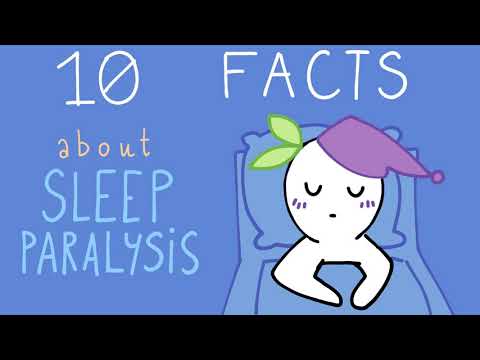
You ever wake up feeling totally frozen? Like, you can’t move a single muscle? That’s sleep paralysis, and it’s a real trip, let me tell you.
You’re awake, but your body just isn’t. It’s like being stuck between dreams and reality. Super creepy stuff, right? Some people even see shadowy figures looming over them while it happens—seriously unsettling.
I remember the first time it happened to me. I was convinced someone was in my room. My heart raced like a marathon runner! Just hanging there in that state is wild, and many folks experience it at some point.
Let’s dive into what causes all this bizarre phenomenon. You might be surprised by the psychological whys behind it and what we can learn from those experiences.
Understanding Sleep Paralysis: Can It Really Be Fatal?
Sleep paralysis can be one of the weirdest and most unsettling experiences. Picture this: you wake up, but your body feels totally frozen. You can’t move or speak, and sometimes you might even feel a weight pressing down on your chest. Sounds pretty freaky, right? Well, that’s sleep paralysis for you.
So, can it really be fatal? The short answer is no. Sleep paralysis itself isn’t deadly. It’s more of a temporary condition often linked to disrupted sleep patterns or stress. So while it might feel terrifying in the moment, you’re not in any real danger of dying from it.
But here’s the thing: while you won’t die from sleep paralysis, some folks can develop anxiety or panic around the experience. Imagine thinking every time you fall asleep that you’ll wake up unable to move—that’s definitely going to mess with your head!
Here are a few key points about sleep paralysis:
A friend once shared with me how he experienced sleep paralysis for months. He said each time it happened, he felt like something was hovering over him—totally creepy! But after digging into some relaxation techniques and focusing on better sleep habits, he managed to get it under control.
Interestingly enough, many cultures have myths surrounding this phenomenon—sometimes it’s described as a supernatural encounter! But that’s just our brains trying to make sense of a spooky experience.
In short, while sleep paralysis feels beyond terrifying when it’s happening—and hey, who wouldn’t freak out during such an experience?—it won’t put your life at risk. So if you’re dealing with this unsettling situation, know that there are ways to cope and look after yourself. Prioritizing good sleep habits and finding ways to manage stress can seriously help reduce those episodes over time!
Understanding Sleep Paralysis Demons: Causes, Myths, and Coping Strategies
So, let’s chat about sleep paralysis and those creepy “demons” that sometimes tag along. Sleep paralysis is this funky state where you kind of wake up but your body is still like, “Nah, I’m not moving.” Imagine being fully aware of your surroundings but feeling completely frozen in place. That can be pretty terrifying, right?
What’s Causing This?
There are a few things that can trigger sleep paralysis. Lack of sleep is a biggie. If you’re burning the candle at both ends or experiencing irregular sleeping patterns, you’re more likely to hit that weird state. Stress and anxiety also play a role—think about those nights when your mind just won’t chill out. And if you sleep on your back? That might also increase chances of running into an episode.
Sometimes it’s connected to sleep disorders, like narcolepsy or insomnia. If you’ve got one of these going on, your brain may flip the script on you during transitions between sleep stages.
Myths to Bust
Let’s clear some air here about the myths swirling around sleep paralysis demons. A lot of folks think this stuff is supernatural, like ghosts or demons sitting on your chest. But the truth is way less spooky than it sounds!
Seeing shadows or feeling pressure when you’re lying there can freak anyone out! I remember hearing my friend describe how she felt a weight on her chest and saw a dark figure in the corner—she was terrified! But once we talked through it, she realized it was just her mind racing while her body took its sweet time waking up.
Coping Strategies
If you’ve been dealing with these episodes, there are ways to help yourself out:
- Create a bedtime routine: Give yourself time to unwind before hitting the hay. Maybe some light reading or meditation can help ease your mind.
- Avoid sleeping on your back: Yeah, that might be tough if you’re used to it, but try rolling onto your side instead.
- Tame that stress: Incorporate relaxation techniques into your daily life—yoga or deep breathing exercises can work wonders.
- Sufficient sleep: Aim for regular hours and enough ZZZs—you know what I mean? Your body will thank you!
Above all else, know that you’re not alone in this experience. Many who face sleep paralysis come out with stories that sound utterly surreal yet completely human! It might feel heavy in the moment; however, understanding what’s happening could make it easier to cope when those “demons” drop by uninvited.
Understanding Sleep Paralysis: Is It Dangerous for Your Mental Health?
Sleep paralysis can be one of the most terrifying experiences, and it’s not uncommon to wake up feeling like you can’t move. You’re fully aware, but your body feels completely frozen. And here’s the thing: it often comes with some pretty creepy sensations or hallucinations. You might hear voices, feel pressure on your chest, or even see shadowy figures in the room. Yikes, right?
So, let’s break down what sleep paralysis really is. It happens during the transition between sleep and wakefulness. When you sleep, your body goes through a cycle that includes REM (Rapid Eye Movement) sleep, where dreaming occurs. During this time, your brain sends signals that basically paralyze your muscles to prevent you from acting out your dreams. Sometimes, though, people wake up before their brain lifts that paralysis, creating a nightmarish feeling of being wide awake but unable to move.
Now, is sleep paralysis dangerous for your mental health? Well, here’s where it gets tricky. For most people who experience it occasionally, it’s more of a frightening nuisance than a real threat to mental health. But if it happens frequently or if you’re prone to anxiety and stress—gosh—it can feel quite overwhelming.
Here are some key points about sleep paralysis and its potential impact:
But here’s a comforting thought—most people who have sleep paralysis don’t go on to develop serious mental health issues as a result. It can be unsettling but isn’t usually linked to any long-term psychological conditions.
Let me share something personal here; I remember when my friend first told me about her experience with sleep paralysis. She described seeing this dark figure hovering over her while she couldn’t scream or move at all! Her face was pale when she recounted it; you could tell how shaken up she was by that incident. Yet she found some relief after talking about it with others and realizing she wasn’t alone.
If you’re finding sleep paralysis affecting your life significantly – like if it’s making you anxious about bedtime – chatting with a professional can help. They might suggest some strategies like improving your sleep hygiene (basically means setting up nice habits before bed) or even addressing any underlying stressors that might be contributing.
You know, sleep paralysis is one of those things that sounds like it could be straight out of a horror movie, right? But it happens to real people, and the experiences can be pretty intense. I mean, imagine waking up in the middle of the night and feeling completely frozen—like someone pressed pause on you. It’s terrifying!
I remember chatting with a friend who had an episode. She was wide awake but couldn’t move an inch. And then she started seeing shadowy figures looming over her. Can you imagine? Just lying there, paralyzed, while your mind races with fear! It could really mess with anyone’s head.
Basically, sleep paralysis happens when you drift between sleep and wakefulness. Your body is still in a kind of sleep mode even though your brain is up and running. And that means you can’t move or speak for a few seconds—or sometimes longer—until your body catches up with your brain. Crazy how our minds can play tricks on us like that.
From a psychological standpoint, stress and anxiety can heighten the chances of experiencing it. So if you’re juggling work pressure or personal issues, that might make those episodes more frequent. The thing is, when you’re stressed out, it’s like your mind gets into overdrive at night too. You might fall asleep but your brain has other plans.
People have all sorts of theories about what causes it—some say it’s linked to disrupted sleep schedules or irregular sleeping habits. Others think it might have cultural influences; different cultures interpret these experiences in different ways—sometimes as supernatural occurrences, which adds another layer to the fear!
One thing I find really striking is how common these experiences are—even if they’re often brushed off as just nightmares or bad dreams. If you’ve ever had one yourself, you’re definitely not alone in this—and knowing that might help lessen the dread next time it happens.
So yeah, sleep paralysis is this weird blend of science and spooky tales wrapped in a human experience that’s far too relatable for many folks out there!