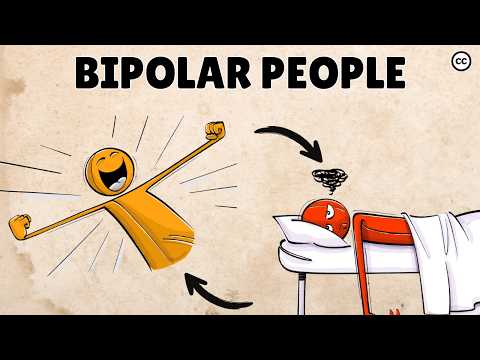
Hey, you know how life can feel like a rollercoaster sometimes? Well, for folks with bipolar disorder, it’s a whole ride of ups and downs. It’s not just mood swings; sometimes, they dive into delusions that are wild and confusing.
Imagine thinking you’re on top of the world one minute, feeling invincible. Then, bam! The next moment, everything feels off-kilter. These delusions can really twist your perception of reality.
I remember chatting with a friend who described his experiences. He told me about times when he felt like he could do anything—become a rock star or run for president! But then there were days where he felt completely lost and helpless. It’s intense.
In this piece, we’ll explore what those delusions look like in real-life scenarios. Buckle up; it might get a little bumpy!
Understanding the Daily Impact of Bipolar Disorder on Life and Relationships
Bipolar disorder is one of those conditions that can truly shake things up in your life. It’s not just about feeling up or down; it extends beyond mood swings. You see, daily life and relationships can be heavily impacted due to the unpredictable nature of this condition.
First off, let’s chat about the mood swings. People with bipolar disorder can swing from manic episodes—where they feel supercharged, full of energy, and maybe even irritable—to depressive periods that can leave them feeling hopeless or empty. This fluctuation can affect how you go about your day-to-day activities.
I remember a friend who had bipolar disorder; he’d throw spontaneous parties during his manic phases—the lively atmosphere lighting up his home—only for weeks later to cancel plans because he couldn’t muster the energy for even a quick coffee chat during his lows.
When it comes to romantic relationships, it gets even trickier. Perhaps you’re riding high on love one moment and then feeling distant and cold the next. The partner might feel confused or even rejected during those low times:
That emotional rollercoaster doesn’t just affect you—it rolls right over everyone around you too!
Additionally, there are also bipolar delusions. When someone is experiencing severe mania or depression, delusions—false beliefs that persist despite evidence to the contrary—can creep in and add an extra layer to their experience.
It’s hard stuff! These delusions can make engagement with reality quite challenging.
And let’s not forget about stigma. Society often views mental health through a distorted lens—leading some folks dealing with bipolar disorder to hide their struggles:
This secrecy makes navigating relationships tough since people around may not understand what’s really going on.
In summary, bipolar disorder brings unique challenges every single day—from work struggles and social connections to romantic relationships and personal perceptions. But it’s also important to remember that with effective treatment—including therapy and sometimes medication—life doesn’t have to feel like an endless roller coaster.
So if you’re supporting someone with bipolar disorder—or if it’s something you’re experiencing—know that while there are hurdles ahead, there’s also hope for stability and understanding.
Understanding Delusions: A Clear Example in Mental Health
Delusions are basically false beliefs that feel very real to the person experiencing them. They can pop up in various mental health conditions, and one of the most common places you’ll see them is in bipolar disorder. When someone is going through a manic phase, let’s say their brain gets a little too excited and starts spinning out some pretty unbelievable thoughts.
Imagine this: You’re at a party, and your friend Mike just got diagnosed with bipolar disorder. He’s been feeling great lately—almost too great. Suddenly, he starts telling everyone he’s going to become famous overnight and launch a revolutionary app that’ll change the world. Sounds optimistic, right? But here’s the kicker: he truly believes it himself, despite having no experience in tech or business.
These kinds of beliefs are what we call **delusions**. They can range from grandiose ideas—like thinking one has special powers or abilities—to paranoid thoughts where someone might think others are out to get them.
During these manic episodes, Mike’s confidence skyrockets. He may even believe that celebrities are contacting him for collaboration or that people across town know about his upcoming fame. But once he calms down after a few weeks or months, that sense of certainty often fades away, leaving him confused and embarrassed about what he believed.
And it doesn’t just stop there—delusions can affect relationships too. If Mike’s friends express concern about his behavior or try to ground him back to reality, he might react angrily because his delusion makes him think they’re jealous of his success. It’s like having blinders on; you simply can’t see things from any other perspective.
So why does this happen? Well, during manic episodes in bipolar disorder, the brain kind of fireworks into overdrive. Neurotransmitters like dopamine play a big role in this process. When they’re super active, they can lead to those irrational thoughts taking root and growing into full-blown delusions.
It’s important to note that not everyone with bipolar disorder experiences delusions—you follow me? But when they do occur, it can be overwhelming for both the individual and their loved ones. Understanding these moments helps so much when supporting someone who is navigating through a rough patch.
Being aware of delusions not only increases compassion but also opens up conversations about seeking help when things spiral out of control—for instance why therapy or medication might be necessary to help regain balance.
In short? Delusions in bipolar disorder serve as reminders that mental health challenges come with complexities nobody sees on the surface. It’s all part of understanding how we function as humans with unique minds navigating our realities—even if sometimes those realities aren’t quite aligned with what’s actually happening around us.
Understanding Bipolar Delusions: Key Examples and Insights for Better Mental Health Awareness
Bipolar disorder can be a tough ride, you know? It’s not just about mood swings. Sometimes, people with this condition experience something called **delusions**—and that’s when things get really complicated.
So, let me break it down for you. In bipolar disorder, there are typically two main phases: the manic phase and the depressive phase. During the manic phase, some folks can develop delusions. A delusion is basically a false belief that feels very real to the person experiencing it. It’s like wearing these special glasses that twist reality.
For example: Imagine someone in a manic episode believes they have superpowers or that they’re destined to be famous overnight. This could lead them to act in ways that seem out of touch with reality—like quitting their job because they think they’ll be the next big celebrity or making wild financial decisions because they’re convinced they’re invincible.
Now let’s not forget about the depressive phase. In this stage, delusions can turn darker too. Someone might believe they are worthless or a burden to everyone around them. It’s heartbreaking to think how low someone’s self-esteem can drop when their brain is telling them those things are true.
Here are a few key insights about bipolar delusions:
Anecdote time: Think of my friend Sara, who was diagnosed with bipolar disorder a few years back. During one manic episode, she truly believed she could start her own airline after reading an article online about entrepreneurship! She went on to create elaborate business plans and even tried convincing friends to invest money! Later on, she didn’t just look back; she cringed at how far removed from reality she was during that time.
Understanding these experiences is crucial for lowering stigma around mental health conditions. Instead of judging or dismissing people during these episodes, supporting them can make a world of difference.
In short, when it comes to bipolar delusions, it’s about realizing how deeply intertwined our thoughts and feelings are with our mental health. If you or someone you care about is dealing with this stuff, reaching out for help is never a bad call—it’s often the first step towards finding clarity amidst the chaos.
Bipolar disorder is one of those conditions that really shows how complex our minds can be. You know, it’s not just about feeling highs and lows; sometimes it throws your reality into a tailspin. Delusions can sneak in, creating a whole other layer to the experience. It’s wild, really.
I remember chatting with a friend once who shared their story about dealing with bipolar delusions. During a manic episode, they believed they were invincible, like they could take on anything and everything. They were convinced they could quit their job and start a company overnight—no plan, no safety net. And for a moment, it felt empowering! But then reality hit hard when the mania faded, leaving behind not just shattered dreams but some serious messes to clean up.
It’s not just the high-flying ideas either; sometimes these delusions come with paranoia or fear. Someone might feel like they’re being watched or that people are plotting against them. I once heard about a person who thought their neighbors were spying on them through the windows. They transformed everyday interactions into elaborate conspiracies.
But here’s the thing: when you’re in that state, it’s genuinely hard to distinguish between what’s real and what isn’t. It’s like being trapped in a funhouse mirror—everything is distorted but feels completely normal at that moment. After the episode ends, there’s often this overwhelming burst of confusion and regret as they try to piece together what really happened.
And let’s not forget how these delusions impact relationships! Imagine trying to explain to loved ones why you suddenly acted so out of character or made wild accusations during an episode. It can leave both sides feeling hurt and misunderstood.
Navigating bipolar disorder is already tough enough, right? So when delusions come into play, it’s even more complicated! Support from family and friends becomes crucial because having someone there who understands can make all the difference when reality starts to blur.
So yeah, bipolar delusions remind us how intricate mental health really is—a mix of highs and lows wrapped around perceptions that can be at odds with reality itself. It makes compassion essential for anyone dealing with this kind of struggle—and honestly? Just listening can mean the world too.