So, you know when you smell a cookie baking and it takes you right back to your grandma’s kitchen? Yeah, that’s your brain making some serious connections.
That’s kind of what classical conditioning is all about. It’s like this wild dance between our experiences and reactions.
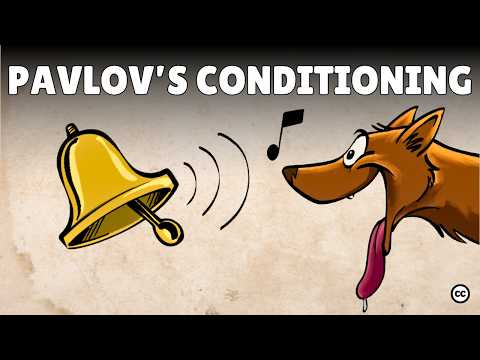
Ever heard of Pavlov and his dogs? He was onto something big! Those pups learned to salivate at the sound of a bell because they associated it with food. Pretty interesting, right?
In the world of psychology and mental health, these little connections can show up in surprising ways. Like, they can explain why some smells or sounds might trigger a good or bad memory for you. It’s all about those links we don’t even realize we’re making!
Stick around; we’re gonna break this down with some real-life examples that just might blow your mind!
Understanding Classical Conditioning: Key Examples and Their Impact on Mental Health
So, classical conditioning is this super interesting concept in psychology that affects how we learn and respond to different situations. You ever hear about Pavlov? Yeah, he’s basically the poster child for this stuff. He had these dogs and used a bell to figure out how they can be trained to associate sounds with food. When he rang the bell before feeding them, they’d salivate just hearing it! It’s all about making an association between a neutral stimulus (like the bell) and something that naturally makes you react (like food).
Let’s break it down. Classical conditioning happens through a process where you start associating one thing with another. Basically, if you consistently pair two things together, your brain connects them over time. Here are some of the key elements:
- Unconditioned Stimulus (US): This is something that triggers a natural response without any learning involved. Think yummy food for Pavlov’s dogs.
- Unconditioned Response (UR): The natural reaction to that stimulus—like those dogs drooling when they see food.
- Conditioned Stimulus (CS): When you take something neutral, like that bell, and pair it with the US.
- Conditioned Response (CR): Now that’s the learned reaction to the CS; in this case, the dogs salivate just at the sound of that bell!
So why does this matter for mental health? Well, think about anxiety. Lots of people develop anxiety when certain situations become associated with negative experiences. For example, let’s say someone has a panic attack during a crowded concert. Afterward, every time they hear loud music or even think about going back to a concert, they might start feeling anxious before even stepping foot inside! That’s classical conditioning kicking in—where a once-neutral environment becomes charged with fear.
Another example could be phobias. Let’s say you were bitten by a dog as a kid—that’s pretty traumatic! As an adult, you might find yourself feeling uneasy whenever you see any dog. This initial bad experience can create strong associations in your mind.
The implications of this are pretty big. Therapies often use these ideas to help people unlearn these conditioned responses. One method is called exposure therapy—you gradually expose someone to what they fear in a safe environment until their anxiety decreases over time.
Look, classical conditioning is not just some old theory sitting on dusty bookshelves; it’s part of our everyday lives and can really shape how we react emotionally—even years after an event has happened! So next time you see someone flinch at the sound of fireworks or get nervous at certain places or sounds, there might be more behind it than just chance—it could be classical conditioning at work!
Understanding Classical Conditioning: Its Impact on Behavior and Mental Processes
Classical conditioning is one of those fundamental concepts in psychology that helps explain how we learn and react to the world around us. You know, it’s all about making connections between different stimuli. Think of Pavlov’s dogs. They learned to associate the sound of a bell with food, so they salivated whenever they heard it. Pretty wild, huh?
So, what’s happening here? Basically, it’s about linking a neutral stimulus (like that bell) to something meaningful (like food). Over time, the neutral stimulus can produce a response on its own. It’s not just about dogs and bells; it influences our behavior in lots of ways.
Now, let’s break it down:
- Neutral Stimulus: This is something that doesn’t initially trigger a response. In Pavlov’s case, it was the bell.
- Unconditioned Stimulus: This naturally triggers a response without any prior learning. For example, food causes salivation.
- Conditioned Response: After enough pairings of the bell with food, the dog salivates at just the sound of the bell—this is learned behavior.
- Conditioned Stimulus: Once the neutral stimulus has been paired enough times with an unconditioned stimulus, it becomes conditioned and can cause a response on its own.
Pretty simple when you think about it! But what’s fascinating is how this applies beyond just animals and labs. It actually affects human behavior and mental processes too.
Let me tell you this quick story: I once knew someone who developed a serious fear of dogs after being bitten as a kid. That bite was the unconditioned stimulus—painful and scary! Now, every time she hears barking or sees any dog, she feels panic setting in—that’s her conditioned response. The sound or sight of dogs became associated with fear thanks to her experience.
In terms of mental health, classical conditioning plays a role in various conditions like phobias and even anxiety disorders. For instance:
- An individual who had an anxiety attack during a specific situation might start feeling anxious every time they’re back in that environment.
- A specific smell could remind someone of a traumatic event, leading them to experience distress whenever they encounter that scent again.
The implications are vast! Therapies like Cognitive Behavioral Therapy (CBT) often tackle these learned behaviors by helping people recondition their responses to certain stimuli.
In summary: Classical conditioning is everywhere in our daily lives; it shapes how we learn emotional reactions and responses based on experiences we’ve had before. Recognizing its influence can empower us to change unwanted behaviors or emotional responses over time!
Understanding the Role of Classical Conditioning in Panic Disorder: Insights and Implications
Panic disorder can be pretty overwhelming. It’s that feeling when panic attacks hit out of nowhere, leaving you breathless and anxious. But what if I told you that classical conditioning plays a big role in how these panic attacks develop? Let’s break it down.
Classical conditioning is a learning process where a response becomes associated with a previously neutral stimulus. Imagine this: you hear an ice cream truck’s jingle and instantly feel happy, all because of those sweet memories of ice cream on hot days. Now, in the case of panic disorder, something similar happens but way less fun.
For example, let’s say you had a really intense panic attack while driving on the highway. Your body responds with fear every time you get back behind the wheel. In this scenario, driving becomes linked to that intense feeling of fear—essentially, it’s been conditioned into your brain.
So here’s how it usually goes down:
- You experience a panic attack in a specific situation, like being in a crowded store.
- Your brain starts to associate that crowded environment with the feelings of anxiety and dread.
- The next time you’re in a similar place—say a concert or another crowded area—you might feel that panic creeping back in.
This connection is kind of like tying your shoes automatically after doing it so many times. You don’t even have to think about it; your brain just knows!
But there’s hope! Understanding this connection can help you figure out ways to break free from those patterns. For instance:
- Exposure therapy: This involves gradually facing the situations you’ve been avoiding—like going into stores again—while working on calming techniques.
- Cognitive-behavioral therapy (CBT): This focuses on changing the thoughts related to your fears and helping you rewire those associations.
Take Sam’s story: He used to avoid elevators after having two panic attacks while riding one. It felt safe for him to stick to stairs, even though they were exhausting! Through therapy, he slowly faced using elevators again while practicing deep breathing and mindfulness techniques until he could ride without fear.
In short, understanding classical conditioning helps clarify why certain situations trigger intense feelings for someone with panic disorder. By recognizing these patterns without judgment, it opens doors for healing and coping strategies! Plus, knowing that this is a learned response means it’s totally possible to unlearn it as well.
So remember, although it might feel daunting right now, there are strategies out there to help ease those anxious moments and reclaim your freedom!
You know, classical conditioning is one of those things that really grabs your attention once you see it in action. It’s like, wow, the way we learn through associations can shape our behaviors and reactions, sometimes without us even realizing it. I mean, think about Pavlov’s dogs—ring a bell, give ‘em food, and soon they’re drooling just at the sound of the bell! It’s wild how simple cues can trigger such strong responses.
In mental health, this concept pops up a lot. For instance, let’s say someone had a traumatic experience in a particular place—like an accident at an intersection. Over time, they might develop anxiety whenever they approach that area or even see similar intersections. It’s not just a rational fear; their brain has linked that location to those intense feelings of fear and panic. Crazy how your mind works like that.
I remember a friend who had a specific smell associated with his childhood home. Every time he caught a whiff of cookies baking—just like his mom used to make—he’d feel this wave of nostalgia and warmth wash over him. But flip that same idea around: for someone who has experienced something distressing linked to a specific scent or sound, it can be quite the opposite. They might feel anxious or sad instead.
And then there are therapies based on classical conditioning principles. A common one is exposure therapy for phobias or PTSD where people gradually confront their fears in controlled settings until their reactions change over time. It’s all about helping someone form new associations to replace those old ones; re-conditioning their response so they can live more freely.
So yeah, whether it’s about fostering positive memories or facing down fears, classical conditioning reminds us just how powerful associations can be in our everyday lives—and especially in our mental health journeys. It’s pretty fascinating stuff!