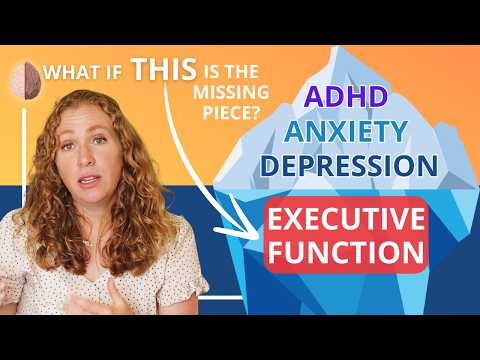
You ever feel like you’re stuck in quicksand? Like no matter how hard you try, doing simple tasks just seems impossible? Yeah, I get it.
Executive dysfunction can totally mess with your life, but a lot of people don’t even realize it’s a thing. It’s not just laziness or being unmotivated.
It kinda sneaks up on you—can affect everything from work to relationships. Honestly, it’s frustrating!
Let’s chat about what this really means and how you can spot it in your life or someone else’s.
Understanding Executive Dysfunction: Key Mental Disorders Linked to Impaired Cognitive Function
Executive dysfunction is a term you might hear tossed around in mental health discussions. It’s like a fancy way of saying that our brain’s “CEO”—the part that controls planning, focus, and decision-making—sometimes doesn’t do its job properly. This can happen for various reasons, and understanding it is super important if you or someone you care about struggles with it.
So, what exactly is executive dysfunction? You know how we rely on the brain to manage tasks like organizing your day or keeping track of your goals? Well, when there’s impairment in these cognitive functions, it creates a real mess. You might find yourself forgetting appointments or struggling to start projects. It can feel like trying to drive a car with no steering wheel—frustrating and chaotic.
Now, let’s connect executive dysfunction to certain mental disorders. Attention Deficit Hyperactivity Disorder (ADHD) is one of the most common culprits here. People with ADHD often find it tough to focus or follow through on tasks. For instance, picture someone who plans their week but then loses track by Wednesday—totally relatable, right?
Another major player is Autism Spectrum Disorder (ASD). Many individuals on the spectrum experience difficulties with executive functioning as well. They might struggle with switching between tasks or managing time effectively. Imagine getting really into one activity and then having to abruptly change gears—that’s tough for some folks.
Then there’s Obsessive-Compulsive Disorder (OCD). The rituals and compulsions can hijack the executive function system, making it hard to prioritize tasks outside those routines. For someone dealing with OCD, getting from point A to point B in life can feel impossible when their thoughts are racing.
But wait! Executive dysfunction isn’t just linked to these conditions. It can show up in depression, too. When you’re feeling low energy or hopelessness, it becomes hard to summon the initiative necessary for even simple daily activities. Think about it—you wake up but can’t find the motivation to get out of bed or shower; everything feels like climbing a mountain.
Other disorders where executive dysfunction makes an appearance include bipolar disorder, where mood shifts can severely impact decision-making abilities; and even schizophrenia, where cognitive impairments are part of the mix as well.
So how do you recognize this stuff? People experiencing executive dysfunction may have trouble:
- Starting tasks.
- Keeping track of time.
- Switching between tasks smoothly.
- Organizing thoughts and actions logically.
- Following through on plans.
It can feel pretty overwhelming realizing that something isn’t clicking in your brain—almost like being stuck in mud while everyone else runs by you!
If you suspect someone’s dealing with executive dysfunction issues, support them without judgment—it helps more than you’d think! Encourage open conversations about their experiences because understanding what they’re going through is half the battle.
In summary, recognizing executive dysfunction means being aware of its connections to various mental health disorders and being compassionate towards those affected by it. Life’s challenging enough without feeling lost in your own head!
Understanding Executive Functioning: Its Impact on Behavior and Mental Processes
So, let’s talk about executive functioning. It’s one of those terms that sounds super fancy, but really, it covers some basic mental processes that help you run your day-to-day life. Basically, it’s how we plan, focus attention, remember instructions, and juggle multiple tasks. You know that feeling when you forget what you were going to say mid-sentence? That can be linked back to executive functioning.
What is Executive Functioning? It refers to a set of mental skills that includes things like working memory, flexible thinking, and self-control. Think of it as your brain’s control center or the CEO of your thoughts and actions. So when something goes off track in the executive functioning department, things can get pretty messy.
- Working Memory: This is the ability to hold information in your mind while using it. For example, if you’re trying to remember a grocery list while shopping without writing it down—challenge accepted!
- Inhibition: This means controlling your impulses. Picture being on a diet and seeing a delicious cupcake; being able to resist that temptation shows strong inhibition.
- Cognitive Flexibility: Also known as «shifting,» this is about adapting quickly when things don’t go as planned. Like if you hit traffic on your way to work and suddenly have to figure out an alternative route.
Now, lots of people struggle with these skills at times; like getting distracted by social media instead of finishing a report or forgetting appointments. But for some folks—especially those dealing with ADHD or other mental health challenges—this dysfunction can be more pronounced.
The Impact of Executive Dysfunction can really show up in various ways in our lives. You might notice people having trouble organizing tasks or managing time effectively; they may find themselves late to appointments or overwhelmed by responsibilities. For them, even simple decisions might feel like climbing a mountain!
Imagine Sarah, who’s trying hard to complete her assignments for school but ends up staring at her computer screen for hours without starting anything! Why? Well, she struggles with initiating tasks and keeping focus because her executive functioning isn’t quite clicking. It’s not laziness; it’s just harder for her brain to get into gear.
When we look at mental health contexts specifically, recognizing executive dysfunction becomes crucial. If you’re aware that someone has these difficulties—like trouble with organization or impulse control—you can offer support in ways that truly help them out rather than just getting frustrated.
Here are some common signs you might notice:
- A constant feeling of being overwhelmed.
- Difficulties prioritizing tasks.
- Losing track of time often.
In therapy settings, understanding how executive dysfunction plays out helps professionals tailor strategies specifically designed for individuals’ needs. Techniques such as creating structured environments or breaking tasks into smaller steps can make all the difference.
So remember: Executive functioning isn’t just one neat package; it involves interconnected skills essential for daily life! By recognizing its impact on behavior and mental processes, we can learn how better to support ourselves—or others who might be struggling too.
Understanding Executive Dysfunction: How to Take an Effective Test for Better Mental Clarity
Understanding executive dysfunction can feel overwhelming, but breaking it down makes it easier to grasp. So, what is executive dysfunction, anyway? Well, it’s a term that really refers to issues with the mental skills we use to manage our thoughts and actions. These skills help you plan, focus, remember things, and control your impulses. If you’re struggling with that stuff, you might be experiencing executive dysfunction.
Imagine you’re sitting down to study for an exam. You have your books open but can’t seem to concentrate. Your mind wanders off every few minutes, and soon you’re scrolling through social media instead of hitting the books. Seriously frustrating, right? That’s a common example of executive dysfunction in action.
Here are some key pointers about this condition:
- Common Symptoms: You might find it hard to organize tasks or manage time effectively. Procrastination becomes your unwanted buddy.
- Emotional Regulation: You may feel overwhelmed by emotions or find it tough to stay calm when faced with challenges.
- Impulsivity: Sometimes you act without thinking things through first—like making snap decisions that don’t end well.
Now let’s talk about testing for executive dysfunction. It’s not like a regular test where you answer questions from a sheet of paper; rather, it’s more like a comprehensive evaluation by a professional who specializes in this area. They’ll use various tools and strategies.
During an assessment:
- Your provider might give you standardized tests designed to measure specific skills related to executive functions.
- They may also ask about your daily life: how you handle chores or manage projects at work or school.
- Observations in real-life settings can be super helpful too; they give insight into how these difficulties show up when you’re just living your life.
Taking an effective test can lead to better mental clarity if you approach it with the right mindset. Here are some tips on getting ready for the assessment:
- Be Open: Honestly share your struggles with the evaluator—don’t hold back!
- Create a Comfortable Environment: Choose a space where you feel relaxed since stress can affect performance.
- Avoid Distractions: Turn off notifications and try not to multitask leading up to it—you want all your brainpower focused on the test!
Getting assessed helps pinpoint specific areas of difficulty so appropriate strategies can be developed. You could explore medication options or different types of therapy, like cognitive behavioral therapy (CBT), which helps reframe negative thoughts and behaviors.
In my experience talking with people dealing with executive dysfunction, they often say that understanding their challenges brings relief. It’s like discovering there’s a reason behind what they’ve been experiencing instead of feeling lost in their own minds.
By knowing what’s going on under the surface—like connecting those tricky dots—you empower yourself to seek help and develop coping strategies that truly make a difference in your daily life!
Executive dysfunction is one of those things that, honestly, can fly under the radar. Like, we hear a lot about anxiety and depression, but this? It’s not always in the spotlight, you know?
So here’s the deal: executive dysfunction affects how we plan, focus, and even manage our time. Think of it as that annoying friend who just can’t make plans or stick to them. You might be sitting there like, “Why can’t I just get this done?” or “Why is my brain acting like it’s in a fog?”
Let me tell you a quick story. A friend of mine was struggling with her schoolwork—like super smart but would end up procrastinating until the night before something was due. She was so hard on herself: “I could’ve done it if I’d just started earlier!” But what she didn’t realize was that it wasn’t about lack of effort; she just couldn’t break down those big tasks into manageable bits. That’s classic executive dysfunction right there.
It shows up differently for everyone too! Some might face a mountain when trying to organize their thoughts. Others may have trouble with impulse control, like online shopping at 3 AM instead of studying for that big exam. Seriously—the struggle is real! And all this can lead to feelings of frustration or sadness since you’re letting yourself down.
The tricky thing is recognizing it in ourselves or others because it’s easy to blame laziness or lack of willpower instead of looking deeper. Sometimes getting help from a therapist can help unravel these patterns and figure out coping strategies that actually work.
Once you’re aware of executive dysfunction, you start seeing it everywhere—in kids with ADHD struggling to keep their backpacks organized or adults feeling overwhelmed by daily chores. It’s like shining a light on things that previously seemed normal but now look so much more complex.
Honestly? Acknowledging that executive dysfunction exists opens doors to compassion—for ourselves and others—a reminder that sometimes life is messy and that’s perfectly okay. Respecting where someone is at can make all the difference; we’re all just trying our best in this chaotic world!