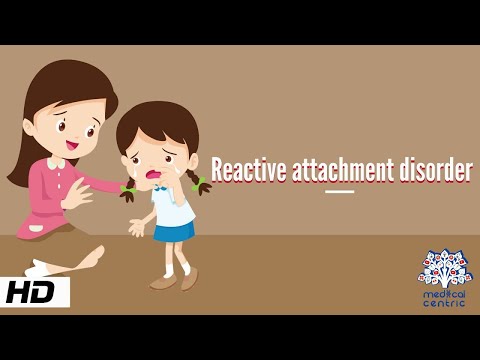
Hey, so let’s chat about something that doesn’t get enough attention—Reactive Attachment Disorder, or RAD for short. It’s like this invisible struggle kids can face when they’ve had a rough start in life.
Imagine a little one who just can’t seem to bond with anyone, like they’re walking around with a huge wall up. Not cool, right?
You might notice those signs and symptoms showing up in ways that break your heart. It could be withdrawal from people, or just feeling super uncomfortable when it comes to affection.
Sometimes they act out in ways that make you go, “Whoa, where did that come from?” If you’ve ever felt confused watching a child push others away instead of reaching out, you’re not alone. So let’s dig into this together and see what it really looks like!
Understanding Reactive Attachment Disorder: Exploring Its Different Types and Symptoms
Reactive Attachment Disorder, or RAD for short, is a serious condition that affects how children form emotional bonds with caregivers. It usually develops when a child experiences severe neglect, abuse, or disruptions in their early relationships. This can seriously impact their ability to trust and connect with others.
So, what are the types of RAD? Well, there are basically two main types:
- Inhibited Type: Kids with this type tend to be withdrawn and don’t seek comfort from caregivers. They might avoid cuddling or any kind of affectionate contact. Imagine a child sitting quietly in the corner during playtime while others are happily interacting. That’s often how these kids behave.
- Disinhibited Type: On the flip side, these kids are overly friendly and may approach strangers without hesitation. Picture a child running up to someone they’ve never met before just to give them a hug. It seems sweet at first but can be worrying since it shows they haven’t learned appropriate boundaries.
Now let’s talk about symptoms. Children with RAD may show a range of emotional and behavioral signs:
- Difficulty forming relationships: These kids often struggle to connect with parents or other adults in a meaningful way.
- Emotional flatness: They might not display typical emotions like joy or excitement. You could notice them watching a fun movie without even smiling.
- Aggressive behavior: Some might lash out at peers or adults because they feel threatened or overwhelmed.
- Avoidance of physical affection: Hugs, cuddles – it’s like they want to run away from anything that feels warm and comforting.
- Anxiety and fearfulness: Kids with RAD often look anxious in new situations. It’s as if they’re constantly on high alert.
It’s heartbreaking when you think about it. Imagine a little girl named Sophie who flinches every time someone reaches for her hand at school. She’s not being rude; she simply doesn’t know how to trust people around her.
So what causes this? Well, early life experiences matter more than we realize. If children face frequent changes in caregivers—like moving from one foster home to another—they may develop RAD because they can’t form stable attachments.
Treatment is crucial here! Through therapy—especially attachment-based therapies—kids can learn healthier ways to connect with others and understand their feelings better.
Overall, understanding RAD is important for recognizing the signs in children who may face difficulties forming bonds due to past trauma. This awareness can lead to early intervention and help create stronger relationships as they grow up!
Understanding the Behaviors of Children with Reactive Attachment Disorder: Key Insights for Parents
When it comes to understanding Reactive Attachment Disorder (RAD) in kids, it can really feel like you’re piecing together a puzzle. So, let’s break this down in a way that makes sense.
Kids with RAD might struggle to connect emotionally with others. This often happens due to early experiences where they didn’t get the love and care they needed from their caregivers. Imagine a little one who doesn’t feel safe or loved; their world gets pretty confusing and lonely. It’s heartbreaking, really.
Here are some key signs and symptoms you might notice:
It’s like watching a movie where the characters just can’t connect, no matter how hard they try! And that disconnect affects everything—school, friendships, family life.
As a parent or caregiver, understanding these signs helps you meet your child where they’re at. It’s tough—like trying to tune into a radio station that’s just not coming through clearly.
To help support these kiddos:
Getting professional help is huge too! Therapies aimed at attachment issues can guide both you and your child towards healthier connections.
And here’s something important: progress takes time—it doesn’t happen overnight. Each little step forward is worth celebrating!
So yeah, children with Reactive Attachment Disorder have complex needs rooted deep in their pasts. Being aware of these signs and symptoms is key for parents trying to navigate this journey with compassion and patience.
Identifying Signs of Attachment Disorder in Children: A Comprehensive Guide
When we’re talking about attachment disorders in kids, especially Reactive Attachment Disorder (RAD), it can feel a bit overwhelming. These children might struggle with forming healthy attachments to their caregivers, and honestly, it can break your heart to see. It’s important to recognize the signs early on so that help can be provided.
What is Reactive Attachment Disorder? RAD usually happens when kids don’t have consistent care during their early years. You know, if they’ve been through neglect or instability, they might find it tough to connect with others emotionally.
Here are some signs you might notice:
- Avoidance of Emotional Connections: Kids with RAD often steer clear of close relationships. They may refuse hugs or deny comfort from people you’d think they trust.
- Anxiety or Anger: You might see them acting out or getting really anxious in social situations. Like, they could throw a fit when meeting new people or even lash out at their caregivers.
- Lack of Introspection: Look for signs where they don’t seem aware of their own feelings or emotions. They might not be able to say what’s wrong when they’re upset.
- Inconsistent Behavior: One day they’ll be clingy and the next, totally aloof. This unpredictability can really confuse both the child and those around them.
- Difficulty with Trust: Trust issues are huge here. Children with RAD often assume that others will hurt or abandon them, making it hard for them to open up.
- Poor Peer Relationships: They may struggle to make friends or get along well with peers because they don’t know how to relate on an emotional level.
You see? These kids are living in a world that feels really scary and isolated for them. I remember hearing about a child who would literally run away when someone came close—like even a friendly neighbor trying to say hello! It’s sad because it’s not that they don’t want connection; it’s that they’re terrified of it.
The Importance of Early Intervention. Catching these signs early means more chances for support and healing down the line. Therapy can make a big difference—think play therapy or parent-child interaction therapy (PCIT) as options that help them gradually learn how to trust again.
Getting help is key! If you suspect a child is showing signs of attachment disorder, reaching out for professional guidance from a therapist who understands this stuff is super important. The earlier you act, the better chance the child has at developing healthier relationships moving forward.
So remember: recognizing these symptoms isn’t just about labeling a kid—it’s about understanding their struggles and providing pathways for healing and growth in ways that really matter.
You know, when you think about kids and their emotional worlds, it’s kind of mind-blowing. They’re like sponges, soaking up everything around them—love, warmth, and, unfortunately, sometimes chaos. So, when we talk about something like Reactive Attachment Disorder (RAD), it feels super crucial to understand what’s going on.
Imagine a little kid—let’s call her Mia—who’s been through some tough stuff. Maybe her early experiences weren’t filled with consistent love or care. When she finally does get close to someone, you might notice she pulls away or acts out in ways that seem a bit… extreme. It’s heartbreaking, isn’t it? Signs of RAD can show up in different ways.
Some kids might seem super withdrawn. They don’t really bond the way you’d expect; they might avoid eye contact or not seek comfort from adults when they’re upset. On the flip side, others may become overly clingy. You know how kids can be with their favorite toys? Well, they might latch onto people instead in an unhealthy way.
Another biggie is the mood swings. One minute Mia could be laughing and playing; then out of nowhere, she flips and starts screaming or throwing things like she’s lost control over her feelings. It’s confusing for everyone involved—like trying to keep up with a roller coaster ride!
And let’s not forget the trust issues that can develop along the way. Kids with RAD might act defensively or be suspicious of adults even when those adults are genuinely trying to help them out. To picture this more clearly: imagine showing up to help with a puzzle but finding Mia hiding the pieces instead of building something beautiful together.
Seeing these signs can feel like a heavy weight on your heart—you want to help so badly but don’t know how! The good news? With the right support and therapy tailored for those kiddos—it totally makes a difference!
So yeah, if you’re ever around a child who seems unusually distant or unpredictable emotionally, just remember that there’s often much more beneath the surface than meets the eye. It takes patience and understanding; every little step toward healing counts!