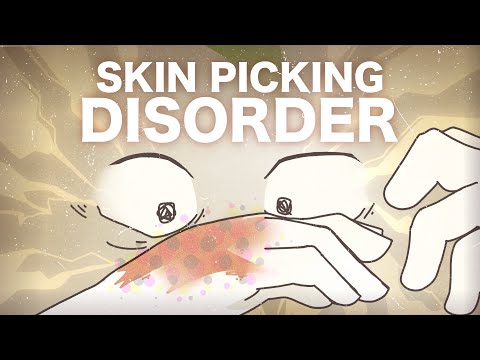
Okay, so let’s talk about excoriation disorder. Ever find yourself picking at your skin? Like, just zoning out and before you know it, there are some angry little red marks? Yeah, that’s not just a quirky habit.
It might be more common than you think. Seriously! It’s called excoriation disorder, and folks who deal with this often feel pretty alone in it.
You could be sitting there wondering if it’s just you or if everyone else has it all figured out while you’re stuck in this cycle of picking. That can be super isolating!
What’s wild is, this isn’t just a “bad habit”—it’s a real thing that messes with people’s lives in ways they might not even realize at first. So, let’s break it down together!
Understanding Skin Picking Disorder: Take Our Interactive Test to Assess Your Symptoms
Skin Picking Disorder, or Excoriation Disorder, is a mental health issue that affects more people than you might think. It involves repeatedly picking at your skin, which can lead to noticeable damage. In many cases, this behavior can stem from anxiety, stress, or even boredom. It’s kind of like your brain gets stuck in a loop that makes you feel the need to pick at your skin.
Imagine sitting in class or watching TV. You’re feeling restless, and without even noticing it, your fingers are on your arm picking at a tiny bump or scab. At first, it feels like a release; but then you notice the redness and irritation afterwards. That’s where the cycle starts—pick, feel guilty about picking, and then pick some more.
So how do you know if what you’re experiencing is more than just a habit? There are several signs to look for:
- You find yourself picking at skin for long periods of time.
- You often try to stop but can’t seem to succeed.
- It leads to visible damage like sores or scars.
- You do it during times of stress or anxiety.
- Your skin-picking affects your daily life or social situations.
If any of this sounds familiar, it might be worth taking an interactive test to assess your symptoms. These tests generally include questions about how often you pick and how much distress it causes you. The idea is not just to label but rather help understand what you’re going through.
The emotional toll can be pretty heavy too. Many people with Excoriation Disorder often feel embarrassment or shame about their skin condition. It’s like being trapped in a cycle of self-criticism while trying to cope with whatever’s happening beneath the surface. Some even hide their skin under makeup or clothing just to avoid judgment from others.
There’s no one-size-fits-all answer when it comes to treatment options for this disorder. But here are some approaches that could help:
- Cognitive Behavioral Therapy (CBT): This type of therapy can help identify triggers and develop healthier coping strategies.
- Mindfulness Practices: Learning ways to stay present may reduce the urge to pick by focusing on what’s really happening in the moment.
- Support Groups: Finding a community where others understand what you’re going through can be comforting and motivating.
The key takeaway? If you think you might be struggling with Skin Picking Disorder, reaching out for help is really important! You don’t have to go through this alone, and there are resources available that cater specifically to this type of challenge.
Your mental health matters—don’t hesitate to explore options that could make daily life easier and more enjoyable!
Understanding Dermatillomania: Causes, Symptoms, and Effective Treatment Strategies
Understanding Dermatillomania, also known as excoriation disorder, is a mental health condition where someone feels an uncontrollable urge to pick at their skin. Sounds intense, right? People with this condition often find themselves picking at spots on their body, which can lead to noticeable skin damage and a whole lot of emotional distress.
The causes of dermatillomania can be pretty complex. Research suggests that it’s linked to a mix of biological, psychological, and environmental factors. You might have a genetic predisposition to it. Or maybe there’s a history of anxiety or obsessive-compulsive disorder (OCD) in your family. Stress and certain life experiences can really crank up those urges too. Imagine feeling overwhelmed and then reaching for your skin as a way to cope. It’s like a cycle that’s hard to break.
So, let’s talk about the symptoms. A person with dermatillomania might experience:
It’s rough because many aren’t even aware they’re doing it until they see the damage left behind — like scabs or scars that become reminders of that struggle.
Now for the good stuff: effective treatment strategies! People dealing with dermatillomania can find relief through different avenues:
Cognitive-Behavioral Therapy (CBT): This is one of the most recommended treatments. A therapist can help you understand the thoughts and feelings connected to your skin-picking behavior and teach you coping strategies.
Habit Reversal Training: This involves identifying triggers and finding alternative behaviors when you feel the urge. For example, if stress triggers picking, you might take a walk instead.
Mindfulness Practices: Techniques like meditation can help increase awareness of your thoughts and urges without judgment. Sometimes being mindful lets you catch yourself before diving into those habits.
Medication: While there’s no specific medication for dermatillomania itself, some people find relief with SSRIs—those are medications typically used for depression and anxiety—that seems to help control those impulses.
There’s also support groups out there where folks share stories and tips—sometimes just knowing you’re not alone helps more than you’d think!
Living with dermatillomania isn’t easy; it takes time and patience to work through it. But recognizing what you’re dealing with is already a huge step forward on this journey toward healing. Each little win counts!
Understanding Skin Picking Disorder: Key Symptoms and Insights for Better Mental Health
Skin picking disorder, also known as excoriation disorder, can be a real struggle for those dealing with it. It might not seem like a big deal to some, but for many, it’s a serious issue that takes a toll on both mental and physical health. So, what is it exactly?
Basically, this disorder involves repeatedly picking at your skin, leading to visible damage. We’re talking about things like scabs or even open wounds that just won’t heal. You might feel like you’re in control at first, but then it can spiral into something more problematic.
Here are some key symptoms to look out for:
- Recurrent skin picking: This can happen anywhere on the body—most often on areas where you have acne or other blemishes.
- Attempts to stop: You might find yourself wanting to stop but feeling unable to do so.
- Time-consuming behavior: It can take up a lot of your time during the day, impacting daily tasks and activities.
- Nail damage or scarring: Over time, your skin can show damage from the constant picking; this often leads to embarrassment or shame.
- Feelings of distress: You may experience anxiety or frustration over not being able to control the urge.
This condition often ties into other mental health issues as well—like anxiety disorders or depression. It’s interesting but also kind of sad: many people don’t even realize they have this disorder until they notice how much it’s affecting their lives.
I remember a friend who used to pick at her skin whenever she felt stressed. She thought it was just a bad habit. But over time, the stress turned into something much deeper. Her arms were covered in scars—a reminder of her struggles. When she finally opened up about it in therapy, we learned more about how emotions and coping strategies play a massive role in behaviors like these.
If you’re feeling this way or know someone who is, understanding that sensitivity and compassion are key is important. Seeking help from professionals trained in treating such conditions can really make a difference. Therapy options vary from cognitive-behavioral therapy (CBT) to mindfulness techniques that help reduce those urges.
The takeaway? Skin picking disorder might just seem like an odd quirk at first glance, but for many individuals, it’s an ongoing battle. The best step forward is acknowledging the feelings behind those actions and seeking out help when needed—a journey towards better mental health starts with understanding what you’re facing.
If you think you or someone you care about might be dealing with this issue, remember: you’re not alone in this struggle!
Excoriation Disorder, or skin-picking disorder, is one of those mental health conditions that flies under the radar for a lot of people. Imagine finding yourself constantly picking at your skin, maybe on your face or hands, to the point where it becomes a really tough habit to break. It might feel soothing in the moment, but it can lead to some serious physical damage and emotional turmoil—like feeling embarrassed or ashamed after realizing what you’ve done.
A friend of mine opened up about her struggle with this. She used to pick at her skin whenever she was stressed or anxious. It became like a ritual for her. At first, she thought it was just a bad habit, but over time it started affecting her social life and self-esteem. She would cancel plans because she felt insecure about her skin’s appearance. I could see how layered this issue was for her—like peeling back an onion! Deep down, there were feelings of shame but also relief in sharing her experience.
The thing is, many people don’t even realize that excoriation disorder is a recognized condition; they just think they’re being fidgety or nervous. But it’s much more than that. You know? It’s classified as an impulse control disorder, and it often involves using the picking as a way to cope with anxiety or feelings of tension—almost like it’s a distraction from deeper emotions.
Treatment often includes therapy approaches like cognitive-behavioral therapy (CBT), which helps address those underlying triggers and teaches coping strategies to replace the picking behavior. Medications may also be considered in some cases but should always be discussed with a doctor.
What stands out is the struggle many face when trying to break free from this cycle. There’s often this overwhelming pressure we feel—we want our skin to look “perfect,” but in trying so hard to achieve that, we end up doing more harm than good. It’s like a cruel irony!
So if you or someone you know wrestles with excoriation disorder, remember: reaching out for help takes strength! Just talking about it can sometimes relieve that pile of pressure you’re carrying around. You’re not alone in this; there are ways forward and folks who understand what you’re going through.