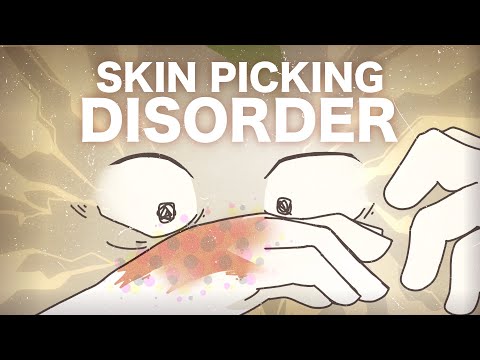
Have you ever found yourself picking at a scab or biting your nails, and then, whoops, suddenly it’s like an hour later? Yeah, that can happen to anyone. But for some people, it goes way deeper.
Imagine feeling this constant urge to pick at your skin, so much that it leaves scars or infections. Not fun, right? That’s where excoriation disorder comes in. It’s a real struggle for many folks out there.
It’s not just a bad habit; it can mess with your life and feelings in serious ways. Let’s dig into what this is all about—what it looks like and how it fits into the DSM-5. You know, just trying to make sense of something that can seem pretty overwhelming.
Understanding Excoriation Disorder: Its Classification in the DSM-5
Excoriation Disorder, also known as skin-picking disorder, is one of those conditions that doesn’t get enough attention. You know how sometimes you can get caught up in a habit and not even realize how bad it’s become? That’s kind of what happens here.
Classification in the DSM-5 is pretty straightforward. The Diagnostic and Statistical Manual of Mental Disorders (that’s the fancy book that helps mental health professionals classify disorders) has listed Excoriation Disorder under the category of “Obsessive-Compulsive and Related Disorders.” This means it shares some features with OCD but has its own unique traits. Basically, it’s like a sibling in the same family.
So, what does it look like? People with this disorder feel an overwhelming urge to pick at their skin. Sometimes it’s to remove imperfections or just because they’re anxious or bored, you know? This constant picking can lead to noticeable skin damage—think scabs, scars, or even infections. There are some key features that professionals look for:
- Frequent Skin Picking: It happens often enough that it disrupts daily life.
- Persistent Efforts: You might try to stop but keep going back to it.
- Feelings of Tension: Before picking, there’s often this feeling of anxiety that just builds up.
- Pleasure or Relief: After picking, many feel a sense of relief or satisfaction.
It can be tough because people might think it’s just a bad habit when really it’s more complex. Like my friend Sarah who always picked at her cuticles when stressed. She thought she was just nervous but ended up hurting her fingers quite a bit. Over time, she realized it wasn’t just about being anxious; it was part of something bigger.
Another interesting thing in the DSM-5 is how Excoriation Disorder affects people differently. For some, it’s more about anxiety relief; for others, it might tie into perfectionism or low self-esteem issues.
When you’re looking at treatment options, therapy is usually a go-to route. Cognitive behavioral therapy (CBT) can really help by addressing those underlying thoughts and feelings driving the behavior. Sometimes people also find support groups helpful since sharing experiences can make a big difference.
So yeah, if you or someone you know struggles with this, you’re not alone! The important thing is recognizing what’s going on and seeking help if needed. It takes time but tackling these habits head-on can lead to positive change!
Understanding Excoriation: Insights into Your Mental Health and Well-Being
Excoriation disorder, also known as skin-picking disorder, is something that affects more people than you might think. It involves the repetitive picking of your skin. Sounds pretty harmless, right? But it can actually lead to significant emotional distress and physical damage.
What happens with excoriation disorder? You may find yourself picking at your skin without even realizing it. At first, it could start as a way to deal with stress or anxiety. Maybe you’re feeling overwhelmed and you just zone out while picking at that little blemish or scab until it’s raw. Over time, this behavior can become compulsive.
For example, one person I know would pick at their arms during class whenever they felt anxious. They thought it was just a habit—something they did when they were bored or nervous. But eventually, their skin got all irritated and scarred over time, which only made them feel worse about themselves.
The DSM-5, which is like the manual for mental health professionals, defines excoriation disorder as a condition where you repeatedly engage in this skin-picking behavior leading to noticeable injuries on your skin. It has to interfere significantly with your daily life to be diagnosed.
Why do people pick their skin? Well, it’s often tied to feelings of anxiety, stress, or sometimes even boredom. When you’re anxious, those little bumps or imperfections can feel like they’re calling your name—making you want to fix them immediately. The tricky part is that while picking might provide some temporary relief, over time it usually amplifies those negative feelings.
And let’s not forget the aftermath! Many people experience guilt or shame after picking at their skin; they know they shouldn’t do it but find themselves unable to stop when the urge strikes.
Treatments are available! If you’re dealing with this kind of struggle—or know someone who is—there are ways to tackle it head-on. Therapy options like cognitive-behavioral therapy (CBT) are helpful in addressing the underlying thoughts and emotions driving the disorder and teaching healthier coping strategies.
Plus, some folks might benefit from medications like SSRIs (selective serotonin reuptake inhibitors) if associated anxiety is really tough to manage on its own.
You’re definitely not alone if this resonates with you; many are navigating similar experiences in silence. Bringing awareness and conversation into how we talk about excoriation disorder can help reduce stigma and encourage people to seek support for their mental health journey.
Exploring the Mental Correlation Between Problem-Solving and Psychological Well-Being
When you think about problem-solving, it might sound like a skill for the workplace or maybe fixing a leaky faucet at home. But there’s more to it, especially when we dive into how it ties into our mental health—like with Excoriation Disorder, which is when someone feels this overwhelming urge to pick at their skin. It’s listed in the DSM-5, which is the manual that helps professionals diagnose mental disorders.
So, here’s the deal: problem-solving isn’t just about tackling tasks. It’s also about how we handle life’s curveballs and challenges. When you’re able to effectively solve problems, you tend to feel more in control and confident in your daily life. This sense of control can really boost your psychological well-being.
In people with Excoriation Disorder, things can get tricky. Picking at one’s skin might initially feel like a way to cope with anxiety or stress, but it can actually leave folks feeling worse over time. The connection between effective problem-solving skills and managing this disorder can be important.
Here are some ways that solving problems relates to well-being:
Now, think back to someone you know who might struggle with anxiety or even skin picking. You might notice they face challenges that trigger their urges—like stress from work or personal life. If they could break down these stresses into manageable chunks—like finding specific solutions—they could reduce urges by addressing the root cause instead of just reacting.
Also, here’s something interesting: research suggests that using structured approaches—like breaking down larger issues into smaller steps—can lead not just to better outcomes but also enhance one’s overall mental state.
And sometimes professional help plays a role here too! For someone dealing with Excoriation Disorder, therapy might involve learning how to identify triggers and problem-solve those situations before they escalate into unhealthy coping mechanisms like skin picking.
In summary, improving your problem-solving abilities isn’t just smart; it can literally make life better on many levels! So if you’re ever faced with something tough—maybe an emotional issue or a big decision—remember that finding solutions isn’t just about getting things done; it’s about taking care of yourself too.
So, let’s chat about excoriation disorder, or skin-picking disorder, as some folks call it. You know how sometimes you might have a pesky pimple, and before you know it, you’re picking at it? And then it just turns into this whole thing? Well, excoriation disorder is kinda like that but taken to another level. It’s when someone can’t stop picking at their skin—whether it’s a scab, blemish, or whatever—until they actually cause damage.
The DSM-5 lists this under obsessive-compulsive and related disorders. That’s important because it helps mental health pros understand that this isn’t just a bad habit. It’s a real struggle that can come from anxiety or stress. So when someone is feeling overwhelmed or even bored, they might start picking at their skin as a way to cope. You see what I’m getting at? It’s not just about the physical act; there are emotional layers involved.
I remember a friend of mine who dealt with this for years. She often talked about how she’d feel anxious before an important meeting and would end up in the bathroom picking at her skin until she felt raw and embarrassed afterward. For her, it wasn’t just about looking good; it was an outlet for all that pent-up energy and stress.
What makes excoriation disorder tricky is the cycle of shame and relief that can form around it. You pick because you’re anxious, then you feel bad for damaging your skin—which causes more anxiety—and the whole loop starts again. Breaking free from that cycle isn’t easy; therapy can really help here. Cognitive-behavioral therapy (CBT), for instance, has shown promise in treating these kinds of behaviors by helping someone learn to better manage their urges.
Understanding excoriation disorder within the framework of the DSM-5 helps shed light on why treatment isn’t one-size-fits-all. It shows us how mental health issues often intertwine; like how feelings feed into actions which create new feelings—it’s all connected!
So if you know someone who struggles with this kind of thing—or if you’re facing it yourself—it’s super important to remember that there are ways out there to tackle those feelings head-on without resorting to picking at your skin. Just knowing you’re not alone can make all the difference!