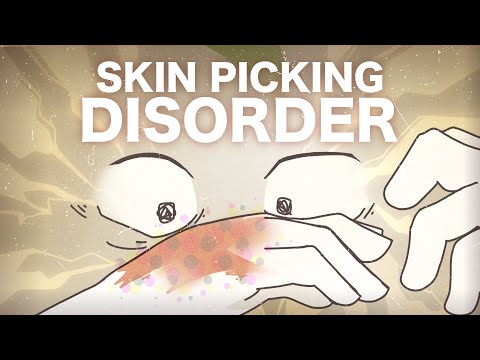
Hey, have you ever had a habit that just wouldn’t quit? Like that time you couldn’t stop biting your nails or picking at your skin?
Well, excoriation disorder is kinda like that, but way tougher. It’s not just a bad habit; it can seriously mess with how you see yourself and navigate life.
Imagine feeling this urge to pick at your skin, even when it hurts. Sounds rough, right? It’s more than just skin deep; it affects emotions and relationships too.
Let’s dive into what excoriation disorder really means and how it affects people day-to-day. You’ll see there’s more to this than meets the eye!
Understanding Dermatillomania: Causes, Effects, and Effective Coping Strategies
Dermatillomania, or excoriation disorder, is something that a lot of folks deal with, but it often flies under the radar. You might find yourself picking at your skin to the point where it gets painful or even leads to infections. And just to clarify, this isn’t just a bad habit; it’s a mental health condition that can seriously affect your self-esteem and overall quality of life.
Now, let’s talk about some possible causes. It’s not entirely clear why this happens, but researchers are looking into several factors:
- Genetics: If someone in your family has similar issues with skin picking or other compulsive behaviors, you could be more prone to it.
- Emotional Triggers: Stress, anxiety, or even boredom can push someone towards picking at their skin. It might feel like a way to cope or distract yourself from what you’re feeling.
- Cognitive Behaviors: Some people have thoughts that make them feel compelled to pick their skin as a way of achieving perfection or controlling their environment.
The effects of dermatillomania can be pretty tough. Beyond the physical damage to your skin—think scars and infections—there’s also an emotional toll. You might feel embarrassed about your appearance or isolate yourself from social situations. It’s important to recognize that these feelings are valid and part of what many people experience.
Consider this: someone named Sarah started picking at her skin during stressful times in college. At first, it was just a little pick here and there, but soon enough it escalated into something much more serious. She found herself avoiding gatherings and wearing long sleeves even in summer because she felt ashamed of how her arms looked.
Finding effective coping strategies is crucial if you’re dealing with this condition. Here are some methods that can help:
- Avoid Trigger Situations: Notice what pushes you towards picking—like stress from work—and try to create distance when possible.
- Mindfulness Techniques: Practicing mindfulness can help ground you in the moment and reduce urges to pick. Deep breathing or meditation can be helpful!
- Create Barriers: Wearing gloves or keeping hands busy with fidget toys can reduce skin picking by minimizing access.
- Therapy: Speaking with a therapist who understands dermatillomania is one of the best ways to explore underlying issues and develop healthier coping strategies.
- Select Alternatives: When you feel the urge to pick, find something else to do—like drawing or squeezing stress balls!
Support groups can also be really beneficial! Connecting with others who understand your struggles often makes you feel less isolated.
So yeah, while dermatillomania is no walk in the park, recognizing the causes and effects is half the battle. With some coping strategies in place—and maybe professional help—you could gain back control over those pesky urges! Just remember: you’re not alone in this journey; many others get what you’re going through.
Understanding Skin Picking Disorder: Take Our Interactive Test to Assess Your Symptoms
Understanding Skin Picking Disorder, also known as Excoriation Disorder, is more common than you might think. If you’re someone who finds yourself picking at your skin, you’re certainly not alone. It’s like your fingers have a mind of their own! Basically, what happens is that many people feel an irresistible urge to pick at their skin, leading to noticeable wounds or scars.
Imagine sitting at your desk, distracted by a tiny bump or imperfection on your arm. Before you know it, you’ve spent the last twenty minutes picking at it. It can be super frustrating and often leads to feelings of guilt and shame afterwards. This disorder isn’t just about the physical damage; it can mess with your emotional health too.
So, what are some key symptoms? Here are a few signs that might indicate you’re dealing with this issue:
- Frequent skin picking: You find yourself doing it almost every day.
- Attempts to stop: You’ve tried to quit but keep going back.
- Physical harm: Your skin shows signs of damage—scabs, scars, or even infections.
- Emotional distress: You feel anxious or upset about your habit.
Many people pick their skin as a way to cope with stress or boredom. It’s like a release valve for pent-up energy or emotions. But this behavior can be hard to control—like when you’re binge-watching TV shows and end up clawing at your skin without even realizing it.
Now, if you’re wondering whether you might have this disorder, there are self-assessment tools available out there that can help. These interactive tests usually ask about how often you pick your skin and the impact it has on your life. Keep in mind though—these tests aren’t diagnostic tools.
It’s important to remember that no one chooses this behavior. The psychological impact can be profound—many struggle with feelings of shame or isolation because they think no one else understands what they’re going through. Emotional support is crucial here; talking about these feelings can make them feel less overwhelming.
If this resonates with you, seeking help from a mental health professional is really important. They can guide you through therapy options tailored specifically for excoriation disorder—like cognitive behavioral therapy (CBT). The goal is not just stopping the picking but understanding why it happens in the first place.
In essence, Skin Picking Disorder is complex but absolutely manageable with the right support and strategies in place! So if you’re struggling with it—or know someone who might be—there’s hope out there for healing and regaining control over those pesky urges to pick at your skin.
Effective Treatments for Skin Picking Disorder: A Comprehensive Guide to Healing
Skin picking disorder, also known as excoriation disorder, can be really tough to deal with. You might feel overwhelmed by the urge to pick at your skin, and it often leads to feelings of frustration and embarrassment. But, there are effective treatments out there that can help you manage this condition.
Cognitive Behavioral Therapy (CBT) is one of the most popular treatment options. What happens is that CBT helps you recognize the thoughts and behaviors that lead to picking. Imagine diving into your feelings when you feel the urge. You start connecting those emotions to what’s happening in your head, breaking that cycle a little bit.
Another great approach is Habit Reversal Training (HRT). Here, you’ll learn to replace skin picking with healthier habits. For example, let’s say you usually pick when you’re bored or anxious. In HRT, you’d identify those moments and practice something different like squeezing a stress ball or fidgeting with a pen instead.
Mindfulness practices can also be super beneficial. This involves being present and aware of what you’re feeling without judgment. Seriously, just sitting quietly for a few minutes each day can help you notice when you’re about to pick and give yourself a chance to stop.
If therapy alone isn’t cutting it, some folks might find medications helpful too. Certain antidepressants or anti-anxiety meds can sometimes ease those urges a bit. Always important though, check in with a doctor before diving into any meds!
- Support Groups: Being around others who understand what you’re going through can make a world of difference.
- Self-monitoring: Keeping track of your skin-picking incidents in a journal helps bring awareness.
- Coping Strategies: Techniques like deep breathing or grounding exercises can help when you feel that itchiness to pick.
A poignant example would be Jenna’s story—she struggled with skin picking for years but eventually found therapy that focused heavily on mindfulness techniques. Over time she became more aware of her urges and learned how to redirect her energy instead of harming herself. It wasn’t an overnight fix but little by little she saw significant improvements in her life.
The thing is healing from excoriation disorder is definitely possible! With the right support system and strategies, it’s totally doable to break free from those compulsive behaviors.
You know, excoriation disorder, or skin picking, isn’t just some quirky habit. It can really take a toll on your mental well-being. Imagine feeling this itch inside you that just won’t go away, and the only way to soothe it is by picking at your skin. For many folks dealing with this disorder, it’s not lazy or careless behavior; it’s often driven by anxiety or overwhelming stress.
I remember my friend Sara—she was always fiddling with her fingers and often had small scabs on her arms. She never opened up about it until one night when we were hanging out watching movies. After a couple of hours, I noticed she had picked at a spot on her arm till it bled—a habit that seemed to bring her some relief in those moments of anxiety. It was kind of heartbreaking to see that because I knew it wasn’t just about the skin; there were deeper emotions tangled up in there.
What can happen is that people like Sara might start feeling really ashamed or embarrassed because they know their behavior isn’t «normal.» This shame can spiral into feelings of isolation and depression, making the cycle even harder to break. And let me tell you, it’s exhausting! Constantly battling urges while also grappling with self-esteem issues? That’s a heavy load.
Therapies like Cognitive Behavioral Therapy (CBT) can be lifesavers by helping individuals manage urges or sort through the emotions behind those compulsive behaviors. But even so, progress can feel slow sometimes, which adds more pressure. It’s not just about stopping the action; it’s also digging into why the urge exists in the first place.
So yeah, excoriation disorder is more than skin deep—it reflects an inner struggle that deserves attention and compassion from friends and professionals alike. If you or someone you know is going through this, make space for those conversations because sometimes just talking about the struggles can lighten that burden a bit!