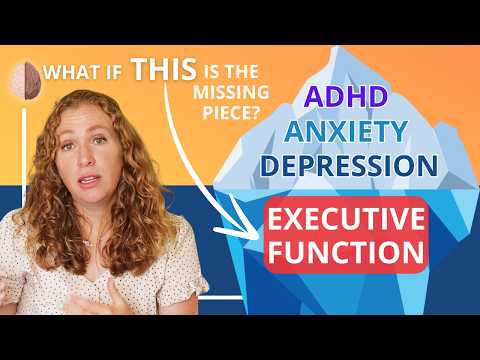
You know that feeling when you have a million things to do but can’t seem to get started? Yeah, that’s kind of what executive dysfunction is like. It’s not just laziness or procrastination. It’s a real thing that can really make life tough.
Imagine waking up, wanting to tackle the day, but suddenly nothing feels doable. Tasks feel overwhelming, and decisions become impossible. Seriously, it can mess with your day-to-day more than you realize.
Navigating mental health treatment while dealing with executive dysfunction? That’s no walk in the park either. It’s like trying to swim upstream while everyone else is chillin’ on the beach, you know?
But don’t worry! We’ll chat about what’s up with executive dysfunction and how it connects to getting the help you need. You got this!
Understanding Executive Dysfunction: A Comprehensive Guide to Effective Testing and Management
Executive dysfunction can be a real struggle, you know? It impacts how we plan, organize, and even follow through with tasks. Basically, think of it as having a traffic jam in your brain’s ability to control actions and thoughts. This is super common in conditions like ADHD, autism spectrum disorders, and various mental health issues.
So, how do we go about testing for executive dysfunction? Well, first off, it’s not just one test. Yeah, it’s pretty involved! Professionals usually assess a mix of things:
- Clinical interviews: This helps professionals understand your personal history and current challenges.
- Cognitive assessments: Tests like the Wisconsin Card Sorting Test measure skills such as flexible thinking and problem-solving.
- Behavioral rating scales: These surveys gather insights from people who know you well—like family or teachers—to see how you function day-to-day.
These tools combine to give a fuller picture of your executive functioning. It’s like piecing together a jigsaw puzzle. And once that’s done? You can start tackling these hurdles more effectively.
Managing executive dysfunction isn’t just about understanding it; it’s also about creating strategies to make daily life easier. Here are some ways that might help:
- Use visual aids: Charts or sticky notes can be lifesavers for keeping track of tasks.
- Break tasks down: Large projects can feel overwhelming. Breaking it into smaller steps makes them way more manageable.
- Create routines: Consistency helps—setting up regular schedules for activities can ease anxiety around what needs to get done.
- Limit distractions: Find a space where you can focus without being pulled in every direction; this could mean putting on some noise-canceling headphones.
I remember talking to a friend who really struggled with getting started on projects. She would sit there staring at her laptop for ages because everything felt daunting. But when she started using visual reminders and breaking down her work into tiny bits? Total game changer!
And let’s not forget about the **mental health aspect** of all this. Managing stress plays an essential role in maintaining good executive function. If you’re feeling overwhelmed or anxious, it can affect your ability to think clearly and complete tasks.
In therapy settings, cognitive-behavioral therapy (CBT) might come into play too. It focuses on changing unhelpful thinking patterns and developing skills that boost executive functioning.
Working with mental health professionals who understand executive dysfunction is crucial—they’ll tailor their approach to fit your needs.
So yeah, executive dysfunction might seem tough at first glance, but with the right tools and strategies in place? You really *can* navigate through it successfully!
Effective Strategies for Overcoming Executive Dysfunction: A Comprehensive Guide to Treatment Options
Executive dysfunction can feel like trying to run a race when your shoelaces are tied together. It’s frustrating and can make everyday tasks seem monumental. So, if you’re navigating this tricky territory, here are some effective strategies that might help you out.
1. Break Tasks into Smaller Steps
Instead of staring at a huge project and feeling overwhelmed, break it down. For example, if you have a report due, try focusing on just the introduction for today. That feels way more doable, right? Celebrate those small wins!
2. Use Visual Aids
Visual reminders can be game-changers. You could set up sticky notes around your space or use digital tools like apps that send you reminders. Seriously, seeing “Do laundry” on your fridge can jog your memory in ways that just thinking about it won’t.
3. Create Routines
Routines help establish predictability in your day-to-day life. Try to get into the habit of doing things at the same time every day—like having breakfast before checking your emails or setting aside time for exercise after work. The more regularity you build, the easier it’ll be to function.
4. Limit Distractions
Identify what tends to pull you away from what you’re doing—like notifications from your phone or chatty co-workers—and find ways to minimize those distractions. This might mean setting specific times to check messages or using noise-canceling headphones when you need to focus.
5. Develop Time Management Skills
Time blindness is real! To combat this, using timers can really help keep track of how long tasks take. Maybe set a timer for 25 minutes of work followed by a 5-minute break—this method is called the Pomodoro Technique and it’s surprisingly effective!
6. Seek Support
There’s no shame in reaching out for help! Whether it’s friends, family, or mental health professionals—they can provide support and strategies tailored specifically for you. Sometimes just talking about what you’re struggling with helps lighten the load.
7. Consider Therapy
Certain types of therapy—like Cognitive Behavioral Therapy (CBT)—can really assist in managing executive dysfunction by helping you understand thought patterns and behaviors that contribute to these challenges.
Just know that overcoming executive dysfunction is not a race; it’s more like a marathon with ups and downs along the way. It takes patience and practice but implementing even one of these strategies could lead to some significant changes in how you manage daily tasks!
Understanding Executive Dysfunction Disorder: Causes, Symptoms, and Coping Strategies
Executive Dysfunction Disorder can feel like you’re walking through molasses when you just want to sprint. It’s that annoying condition where your brain struggles with planning, focusing, or organizing tasks. You might experience it if you’re dealing with ADHD, anxiety, or depression. Let’s break it down into the causes, symptoms, and some coping strategies that can help.
Causes of executive dysfunction aren’t always straightforward. Sometimes it’s linked to neurological conditions or developmental disorders. Other times, intense stress or trauma can shake up your brain’s ability to function effectively. Basically, if your brain is overwhelmed—like a computer trying to run too many programs at once—it might start lagging when it comes to decision-making and organization.
Symptoms often look different for everyone but tend to follow some common threads:
- Poor time management: You might find it hard to stick to schedules or estimate how long tasks will take.
- Difficulties with task initiation: Ever stared at something you need to do but just… couldn’t get started? Yeah, that’s a classic sign.
- Struggles with prioritization: When everything feels equally important and nothing gets done.
- Lack of follow-through: Maybe you start projects but can’t finish them? That’s frustrating!
- Forgetfulness: Simple things like appointments or deadlines slip your mind more often than not.
You know that feeling when you have a million things racing in your mind but can’t seem to grab one? It’s like trying to catch water with your hands – a total mess!
Now let’s talk about some coping strategies. Seriously, these can make a big difference in managing life with executive dysfunction:
- Bite-sized tasks: Break everything down into super small steps. Instead of “clean the house,” just focus on “pick up the living room.”
- Create routines: Having a set schedule helps train your brain on what comes next. Consistency is key.
- Use reminders: Whether it’s alarms on your phone or sticky notes all over the place, reminders keep important stuff front and center.
- Avoid distractions: When you’re working on something important, find a quiet space and minimize interruptions as much as possible.
- Talk it out: Sometimes sharing what you’re struggling with helps clarify thoughts in your own head. Don’t underestimate the power of conversation!
Try not to get too discouraged if this sounds familiar. Executive dysfunction isn’t a character flaw; it’s just how some brains operate. With understanding and practice, you can find ways around those sticky spots in life!
Executive dysfunction can feel like trying to swim through molasses. Seriously, it’s frustrating! When you’re dealing with this, tasks that seem simple for others—like getting out of bed, making a plan, or even just focusing on one thing—can be overwhelming. And it’s not just about being “lazy” or not trying hard enough. It’s way more complicated than that.
You know, I remember a friend of mine who struggled with executive dysfunction. She had always been super organized and driven but suddenly found herself unable to complete even basic tasks after some major life changes. It was hard to watch her feel so defeated over things like forgetting appointments or feeling too scattered to start a project. She often thought people would judge her harshly for it, but those judgmental looks never truly reflected what she was going through inside.
Navigating mental health treatment while juggling executive dysfunction is tough. Imagine sitting in therapy, talking about your feelings and thoughts, but then struggling to keep track of everything discussed afterward. You might find yourself lost in the chaos of daily life while trying to remember therapeutic techniques or even medication schedules. That adds layers of stress on top of an already heavy load.
And here’s where the holistic approach becomes so important! Therapists can help by offering tools tailored for this struggle—like breaking down tasks into smaller bites or using visual aids to keep things organized. Sometimes it’s about honoring your unique way of processing information instead of sticking strictly to conventional methods.
But honestly? It can be exhausting navigating these treatments when your brain feels like it’s running a marathon at a snail’s pace. The key is patience, both with yourself and the process. Progress isn’t always linear; sometimes you’ll want to pull your hair out over seemingly tiny obstacles! But having supportive folks around can make all the difference—people who understand that struggling with executive function doesn’t mean you aren’t trying.
Realizing you’re in this together with others who get it can make treatment feel less isolating and more collaborative. So if you’re dealing with executive dysfunction in mental health treatment—or know someone who is—remember: progress takes time and different strategies work for different folks!