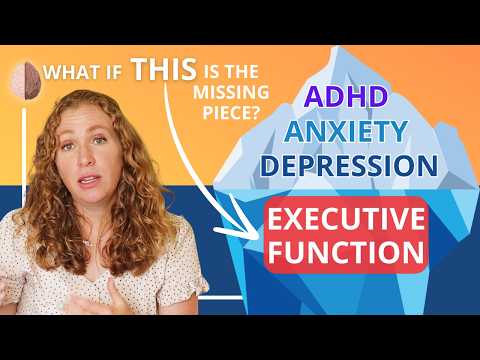
Hey, you ever feel like your brain is playing hide and seek? You know how sometimes you want to get stuff done but can’t quite kick it into gear? That’s a classic vibe for folks with ADHD, especially when executive dysfunction decides to crash the party.
It’s like trying to steer a car when the wheel is stuck. You’ve got the drive—just not always the direction. This can make everyday tasks feel super overwhelming or, honestly, just plain impossible.
Let me tell you, I’ve been there. One minute, I’m all set to tackle my to-do list, and the next? I’m binge-watching some random show instead of handling real-life responsibilities. Seriously!
So if that hits home for you or someone you know, hang tight! We’re gonna chat about navigating this tricky road together.
Understanding Executive Dysfunction: Key Tests to Assess Your Cognitive Challenges
Executive dysfunction can be a tricky concept, especially for folks dealing with ADHD. The term refers to difficulty in managing certain cognitive processes, you know—like planning, organizing, and regulating emotions. It’s not always easy to pinpoint these challenges since they can look different for everyone. But hey, understanding where you’re struggling is kind of the first step to tackling it.
Let’s talk about some **key tests** that can help assess your cognitive challenges with executive function. These tests are like the GPS for your brain’s navigation system. They don’t just tell you if you have issues; they help shine a light on which areas might need a little extra attention.
1. Behavioral Assessment: This often involves filling out questionnaires or surveys. You might find them asking about how you handle various tasks at work or home. It’s basically a way to see how executive dysfunction impacts your daily life.
2. Clinical Interviews: These conversations with a psychologist can dive deeper into your experiences. They’ll ask about your history, behaviors, and any specific struggles you face related to organization or time management.
3. Neuropsychological Testing: This is more technical but super helpful! You might take standardized tests that measure things like working memory, attention, and problem-solving skills. They give a clearer picture of where things aren’t clicking.
4. Self-Report Measures: Sometimes, self-reflection can highlight patterns in behavior that you’re not aware of. Keeping track of tasks you forget or lose interest in can be insightful.
You know what? Let’s consider an example here: imagine you’ve been given the task of organizing an event at work but find yourself overwhelmed by details like booking the venue or sending invitations—those are classic signs!
Another thing to consider is stress levels and emotional regulation—these play a huge role too! If you’re constantly feeling anxious about deadlines and struggle to focus because of it, that’s part of executive dysfunction showing up in your life as well.
Now here’s something interesting: many people may not realize that these tests don’t just point out problems; they also guide potential treatment options later on—like therapy or even certain medications that might help manage ADHD symptoms better.
And remember: acknowledging executive dysfunction isn’t about labeling yourself negatively; it’s more about finding tools and resources to help make things easier day by day.
In short, understanding these cognitive challenges through assessments gives you valuable insights into better ways of coping with them every single day! It’s all about figuring out what works best for you—you got this!
Effective Strategies to Calm ADHD Symptoms in Adults: A Comprehensive Guide
Managing ADHD as an adult can feel like trying to hit a moving target. Seriously, it’s a challenge that many people know all too well. The symptoms can spill into daily life, causing chaos and frustration. But there are some effective strategies you can use to help calm those symptoms and regain some control.
Understanding Executive Dysfunction is key here. A lot of adults with ADHD struggle with tasks like organizing, prioritizing, and following through. You might find yourself easily distracted or facing decision paralysis just trying to figure out what to do next.
- Break Tasks into Smaller Steps: It really helps! Instead of looking at a giant project and feeling overwhelmed, slice it up into bite-sized parts. This way, you only focus on one thing at a time. For example, if you need to clean your room, start with just the closet.
- Create Routines: Routine can be your best friend! Having a structured day helps ground you. Try setting a specific time for daily tasks like working out or meal prep. After a while, it becomes second nature.
- Use Visual Aids: Sticky notes? Yes, please! Color-coded calendars or reminders on your phone can serve as visual cues that nudge you in the right direction throughout the day.
- Mindfulness and Relaxation Techniques: These techniques are more than just buzzwords; they work wonders for calming the overactive mind. Practicing mindfulness—like meditation or deep breathing exercises—can help center your thoughts when distractions hit hard.
- Limit Distractions: Create an environment that promotes focus. This might mean decluttering your workspace or using noise-canceling headphones if sound is an issue for you.
- Acknowledge Your Emotions: Sometimes it feels easier to ignore how you’re feeling rather than confront it. Recognize those emotions instead of brushing them aside; write them down if that helps process things better.
Now picture this: You wake up one day and realize you’re late for a meeting because the reminder slipped right past you in the chaos of life! It feels disheartening when this kind of situation happens repeatedly. That’s where these strategies come in handy—they aim to make such moments less frequent.
Staying active through exercise is also super important for managing ADHD symptoms because it releases brain-boosting chemicals that enhance focus and mood levels. You don’t have to hit the gym hard; even going for walks counts!
If you’re open to it, seeking professional help, whether through therapy or medication (if that’s something you’re comfortable considering), could provide additional tools tailored specifically for you.
When living with ADHD as an adult isn’t easy, but finding ways that work—for managing those pesky symptoms—can bring back some balance in your life. So give these strategies a shot and see what combination fits best with your unique lifestyle!
Effective Behavioral Strategies for Managing ADHD in Adults: Tips for Improved Focus and Productivity
Managing ADHD as an adult can feel like you’re trying to juggle flaming torches while riding a unicycle. Seriously, it’s tricky. But there are some effective strategies that can really help you improve focus and productivity. Let’s break them down.
First off, understanding executive dysfunction is crucial. This term refers to the challenges with planning, organizing, and completing tasks. If you often find yourself starting a project but never finishing it, you’re not alone. Many adults with ADHD experience this struggle daily.
A really helpful tip is to set clear goals. Instead of vague aspirations like «get work done,» try something specific like «complete the first draft of my report by Thursday.» Break big tasks into smaller, manageable pieces. That way, you don’t feel overwhelmed and can tackle one thing at a time.
Another strategy is using timers. The Pomodoro Technique is popular for a reason! It involves working for 25 minutes and then taking a five-minute break. This structure helps maintain your focus without burning out. You could even use an app or just set your phone timer—whatever works for you!
Also, consider creating a consistent routine. Having set times for work, meals, and sleep can provide structure to your day. This predictability can reduce decision fatigue and keep your mind clear—making it easier to concentrate on tasks.
Then there’s the power of your environment. Try creating a space that minimizes distractions. Clear away clutter from your desk or use noise-canceling headphones if you’re in a bustling area. Maybe light some calming candles? Find what relaxes you—it’s all about making your space work for you.
Don’t forget about mindfulness practices. Simple breathing exercises or meditation can help ground you when life feels chaotic. Taking just five minutes to breathe deeply can recharge your brain and help refocus your attention.
Lastly, always remember that reaching out for support is not only okay but encouraged! Connecting with peers who understand what you’re going through can provide valuable insights and encouragement. Joining support groups or speaking with a therapist could be beneficial too.
Managing ADHD as an adult requires experimentation with different strategies until something clicks for you—you know? Everyone’s journey is unique! By exploring these behavioral strategies—goal-setting, timers, routines, creating focused environments, practicing mindfulness—you’ll slowly build up more effective ways to navigate daily challenges tied to executive dysfunction in adults with ADHD.
In the end, it’s about finding what tools resonate with you personally and embracing them as part of your life toolkit!
Executive dysfunction can feel like trying to drive a car with no wheels. You might have the engine ready to go, but without those wheels, you’re just not getting anywhere. If you’re an adult with ADHD, you might relate to this struggle in a big way.
I remember talking to a friend who had been juggling work deadlines and personal commitments. They would plan everything out, but when it came time to execute, it felt like they were stuck in quicksand. The ideas seemed clear in their mind, but then came the overwhelm—procrastination kicked in, and suddenly the deadline was looming right over them like an angry storm cloud.
What’s happening here is that executive function is kind of the brain’s central command center. It helps you organize tasks, manage time, and stay focused. But for folks with ADHD, this function can be a bit fuzzy or even non-existent at times, turning simple tasks into epic battles. It’s frustrating! You may have everything you need mentally to tackle something, yet physically doing it feels impossible.
It’s not just about being forgetful or messy; it’s deeper than that. People often don’t realize how disabling executive dysfunction can be when you’re trying to keep everything together—the planning for work projects becomes chaotic juggling acts instead of straightforward steps. And let’s be real—sometimes even remembering to eat or take breaks feels like an Olympic event.
Finding ways to navigate this is essential. Some folks swear by making lists or using digital reminders—sort of like giving your brain little jump-starts throughout the day. Others find a structured routine really helps keep them on track as it creates predictable patterns which can ease that sense of chaos.
But here’s the kicker: every strategy works differently for everyone! You’ve got to try things out until you find what sticks for you personally. And hey, there’s no shame in seeking help! Therapy or coaching can provide tools tailored specifically for your needs.
At the end of the day, navigating executive dysfunction isn’t about chasing perfection; it’s about finding what works so your wheels can start turning again—even if they feel wobbly sometimes.