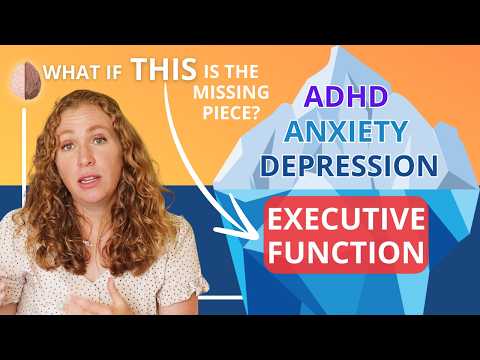
Okay, let’s talk about something that hits a bit close to home for a lot of us: executive dysfunction. Ever find yourself staring at your to-do list and just feeling… stuck? Yeah, me too.
It’s like your brain has hit a pause button, and you can’t seem to play it again. Totally frustrating, right? This isn’t just about laziness or poor time management. There’s more going on under the surface.
Imagine waking up with all these plans but then getting overwhelmed by the simplest tasks. Brush your teeth? Sounds easy. But some days, even that feels like climbing a mountain. You feel me?
Let’s unpack this together! Executive dysfunction is real and can mess with daily life in ways you might not even realize. So, grab a comfy seat because we’re diving into what this means and how it affects so many of us.
Understanding Executive Dysfunction: A Comprehensive Guide to Testing and Insights
Executive dysfunction can be a tricky topic to grasp. But it’s really important, especially when we talk about challenges in everyday life. Let’s break it down a bit.
First off, what is executive dysfunction? It’s when your brain struggles with the skills needed for planning, organizing, and completing tasks. Think of it like trying to run a computer without a good operating system—it just doesn’t work smoothly. People with executive dysfunction may find it hard to manage their time or keep their attention focused.
Now let’s get into testing for executive dysfunction. Evaluations usually involve a mix of questionnaires and tasks designed to measure different cognitive abilities. These tests might include:
For example, someone might be asked to plan out a simple event, like a birthday party. If they struggle with breaking down the steps—like inviting guests or buying supplies—they might show signs of executive dysfunction.
Behavioral observations can also play a huge role in understanding this condition. Clinicians often observe how individuals handle daily routines and interactions. Do they forget appointments? Are there issues with following instructions? These behaviors offer valuable insights into their executive functioning.
Age factors matter too. Kids often have developing executive functions and may outgrow some issues as they mature. However, for others, these challenges can persist into adulthood and may relate to conditions like ADHD or autism spectrum disorder.
Now let’s chat about strategies that help manage executive dysfunction. People tend to find comfort in structured environments—like using planners or digital apps—to help keep them on track.
You see? Each little adjustment helps clear some of the mental fog that comes from executive dysfunction.
Lastly, mental health connections. Executive dysfunction isn’t just about cognitive skills; it’s tightly linked to emotional health too. Stress and anxiety can amp up these difficulties even more. So when someone feels overwhelmed by their responsibilities, it only adds fuel to the fire of executive challenges.
To wrap this up (or at least not leave you hanging), understanding executive dysfunction gives us insight into why some folks struggle day-to-day with what seems like basic tasks. Through testing and insightful observation, we’re getting closer to effective strategies that make life feel more manageable for everyone facing these unique hurdles.
Understanding Executive Dysfunction: Common Examples and Their Impact on Daily Life
Executive dysfunction is one of those terms that might sound all fancy, but really, it’s just about struggling with the parts of your brain that help you plan, organize, and manage your time effectively. You know how sometimes you make plans but then can’t stick to them? That’s part of it. Or maybe you find yourself staring at a pile of laundry, feeling overwhelmed by the thought of putting it away. Yeah, that happens too.
So here are some common examples of executive dysfunction in action:
- Difficulty Planning: You might want to plan a dinner or even a simple outing but find yourself stuck trying to figure out where to start.
- Time Management Issues: Ever get lost in a task and suddenly realize you’ve blown through hours? Yup, that’s a classic sign.
- Impulsivity: Making decisions on a whim—like ordering takeout when you really meant to cook—can stem from executive dysfunction.
- Lack of Motivation: Feeling like you can’t get started on that project because it seems way too daunting? Totally normal in this context.
These examples show how executive dysfunction can sneak into daily life and mess things up. Let me share something personal here. I had a friend who was super talented but couldn’t stick to deadlines for school projects. It wasn’t that they didn’t care; they just got so overwhelmed with planning everything out. They’d sit there and just stare at their materials, feeling paralyzed by the choices they had to make. It really affected their grades and self-esteem over time.
And here’s the kicker: executive dysfunction isn’t always tied to having ADHD or other disorders; anyone can experience it under stress or fatigue. Like when you’re juggling work deadlines while trying to keep your social life alive—it can be tough!
Now let’s talk about the impact on daily life:
- Relationships: You might end up forgetting important dates or being late often, which can strain friendships or romantic relationships.
- Work Performance: If you’re constantly missing deadlines or struggling with tasks, your job could feel like an uphill battle.
- Mental Health: The stress from these challenges can lead to anxiety or depression if not addressed properly.
Understanding executive dysfunction helps us see it’s not just laziness or lack of willpower; it’s an actual challenge in our brain’s functioning.
Getting help is crucial though! Therapy focused on building skills around organization and planning can seriously change things for the better. So if this resonates with you, don’t hesitate to reach out for support; you deserve tools that help make navigating life easier!
Understanding Executive Dysfunction: Insights and Support from Reddit Communities
Executive dysfunction is one of those terms that’s tossed around a lot, but not everyone really knows what it means, you know? Basically, it refers to difficulties with the mental processes that allow us to plan, focus attention, remember instructions, and juggle multiple tasks successfully. This isn’t just about being unorganized or having a messy room; it’s way deeper than that.
You might have heard people talk about their struggles with getting started on tasks or following through with things they really want to do. Imagine waking up ready to tackle your day, but you just can’t seem to get out of bed or make a simple decision about breakfast. That feeling can be super frustrating and isolating. It’s like your brain has a “pause” button stuck on.
A lot of folks on Reddit share their experiences with executive dysfunction. The communities are filled with people looking for support or offering help based on their own challenges. They share stories that resonate deeply, like the time someone planned a big project but found themselves paralyzed by indecision and could barely make it past the planning stage. It feels familiar, right?
Here are some key points from these conversations you might find helpful:
- Common Symptoms: People discuss things like trouble starting tasks, difficulty prioritizing activities, forgetfulness in daily routines, and struggling to manage time effectively.
- Possible Causes: Executive dysfunction can arise from various conditions such as ADHD, anxiety disorders, depression – even after certain injuries like concussions.
- Coping Strategies: Some Redditors share useful tips like breaking tasks into smaller pieces or using timers for focused work sessions – sometimes called the Pomodoro Technique.
- Seeking Professional Help: Many emphasize the importance of finding therapists who understand these challenges and can guide individuals through tailored coping mechanisms.
- Community Support: Just reading others’ experiences helps many feel less alone. Knowing there are others who get it is powerful!
It’s pretty wild how communities come together online to offer insights and lend an ear when someone feels overwhelmed by their own mind. Sharing your story—whether that’s frustrating moments at work or feeling stuck at home—can really help lighten that emotional load.
And let’s not forget about self-compassion here! It’s easy to be hard on yourself when things aren’t clicking into place. Remembering that shifts in mood and productivity are part of this journey is important too.
Finding support outside of oneself can be comforting; Reddit can be a great resource for venting feelings while also getting practical advice from people who’ve been there too! Just know you’re not alone in this; tons of people understand what executive dysfunction feels like and are more than willing to help you navigate through it!
You know, executive dysfunction is one of those things that doesn’t always grab the spotlight, but it can seriously mess with your day-to-day life. Picture this: you’ve got a million things on your to-do list, but you just can’t seem to start any of them. It’s like there’s a wall between you and what you need to do, and no matter how much you want to break through, that wall is just too damn big.
I remember a friend once describing their struggle with executive dysfunction. They’re super smart and capable, but when it came time to tackle simple tasks—like paying bills or even just getting out of bed—it felt impossible. Like they were stuck in quicksand. They’d sit there staring at the tasks, feeling overwhelmed by the very thought of doing them and then cycle through guilt and frustration for not being able to just “get it together.” It was heartbreaking to watch someone so talented feel so trapped.
So what’s happening here? Well, executive function is basically the brain’s control center—helping us plan, focus attention, remember instructions, and juggle multiple tasks. With executive dysfunction, this control center isn’t working quite right. You might have trouble organizing your thoughts or managing time properly. Just think about it: You could have all the willpower in the world but still struggle to put that energy into action.
And it’s not just about laziness or lack of motivation. It can be linked to conditions like ADHD or depression—even trauma can play a role. This means it’s not simply “fixing” what’s wrong; it’s more about understanding that there are deeper psychological processes at play here.
If you’re grappling with this yourself—or know someone who is—it’s important to talk about these struggles openly without shame. Finding strategies that work for you might include breaking tasks down into smaller chunks or using tools like planners or timers to create structure. And sometimes? It might mean reaching out for support from a therapist who gets where you’re coming from.
Life gets complicated enough without our brain throwing these curveballs at us, huh? So if you’re feeling stuck in that quicksand I mentioned earlier—remember: it’s okay not to be perfect at everything all the time. You’re doing your best in this whirlwind called life!