Hey, you know those days when your brain feels a bit scrambled? Like, you’re trying to remember if you’ve taken the trash out or what’s for dinner? That’s your executive function acting up.
So, what is executive function anyway? Well, it’s all about how we plan, focus, and juggle different tasks. Think of it as your brain’s air traffic controller—keeping everything in check.
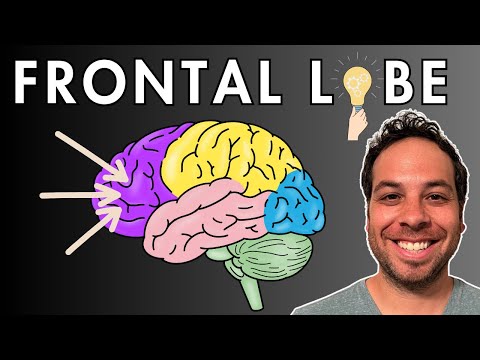
The frontal lobe plays a massive role in all this. It’s like the head honcho of decision-making and self-control. If it’s not working quite right, things can get messy—emotionally and mentally.
Now, don’t worry! We’re gonna break it down together. Understanding these connections can really open your eyes to how we think and feel every day. Ready to explore?
The Impact of the Frontal Lobe on Mental Health: Understanding the Connection
So, let’s chat about the frontal lobe, shall we? This part of your brain is super crucial when it comes to how you think, feel, and act. Seriously, it’s like the boss of your brain.
The frontal lobe is involved in what we call **executive functions**. That’s just a fancy term for a bunch of skills that help you manage your thoughts and actions. So, what exactly does it control? Well, here are some key points:
- Planning: It helps you figure out what you need to do next. Like deciding what to do over the weekend.
- Decision-making: When you’re faced with choices—say whether to hit snooze or get up—it’s the frontal lobe that weighs pros and cons.
- Impulse control: Ever felt that urge to say something without thinking? Yeah, that’s where the frontal lobe comes in to help you pause.
- Emotional regulation: It plays a role in managing emotions and mood swings. For example, calming down when you’re upset.
Now, here’s where things get really interesting. If there’s damage or dysfunction in this area—caused by injury or conditions like ADHD—it can totally mess with these functions. You might find it hard to concentrate or make decisions effectively. Imagine trying to study for an exam but your brain just won’t focus! Frustrating, right?
Let me give you an example from a friend of mine—let’s call her Katie. Katie had a tough time at work because she struggled with planning projects out properly due to some trauma she went through years back. Her frontal lobe wasn’t working as efficiently as it should’ve been. Because of this, she often felt overwhelmed by tasks that seemed easy for others.
So yeah, when this part of your brain isn’t functioning well, it can lead to problems like anxiety or depression—even schizophrenia in some cases; all stuff linked back to how we make decisions and manage our emotions.
But wait! There’s more good news! Therapy can help improve executive functions over time! Through cognitive-behavioral therapy (CBT), people can learn strategies to boost their self-control and decision-making skills.
In summary, the frontal lobe is vital for mental health because it influences how we think clearly and regulate our actions and emotions. If you’re experiencing difficulties in these areas, don’t hesitate to seek professional help—you deserve support on this journey!
Unlocking Executive Functions: The Key Brain Areas Involved in Decision-Making and Self-Control
The brain is like a bustling city, and your executive functions are the traffic cops. They help manage everything from decision-making to self-control, keeping things running smoothly. These functions are mainly linked to the **frontal lobe**, which is at the front of your brain and responsible for all those higher-level tasks.
So, what exactly are executive functions? Well, they include skills like planning, organizing, remembering instructions, and managing emotions. Basically, they help you focus on tasks and make choices that align with your goals. Without strong executive function skills, you might feel easily overwhelmed or struggle with impulse control.
Now let’s break down some key areas involved in these brainy tasks:
- Prefrontal Cortex: This part is crucial for decision-making. It helps evaluate options and predict outcomes before you act. Think of it like a wise friend who nudges you to think twice before making an impulsive choice.
- Dorso-lateral Prefrontal Cortex: This area helps with working memory and cognitive flexibility. It’s what allows you to keep track of multiple steps while doing something complex—like cooking a new recipe without burning it!
- Ventromedial Prefrontal Cortex: This region plays a big role in emotional regulation. It helps you weigh benefits against the risks when making decisions. So when you’re deciding whether to go for that extra slice of cake (you know you want it), this area kicks in to help balance desire with reason.
- Anterior Cingulate Cortex: Often seen as the conflict monitor, it helps detect errors and adjust behavior based on feedback. Ever found yourself apologizing after realizing you’ve offended someone? That’s this part of your brain working hard.
Here’s a little story: A friend of mine was struggling at work because every time he faced a tough decision, he would freeze or second-guess himself for ages. He realized later that his prefrontal cortex wasn’t firing on all cylinders due to stress. Once he found ways to manage that stress—like practicing mindfulness—suddenly he could think more clearly and make quicker decisions!
But not everyone has strong executive function skills naturally; some people find this harder due to conditions like ADHD or anxiety disorders. For them, strategies such as therapy can really help boost those abilities.
So yeah, strengthening your executive functions isn’t just about being more organized—it can totally transform how you approach daily challenges and interact with the world around you! It’s all about giving your brain the tools it needs to make better choices and exercise self-control when it matters most.
Understanding Executive Functions: Their Role in Mental Health and Well-Being
Executive functions are super important when it comes to how we think, act, and feel. They’re basically the mental processes that help us plan, focus attention, remember instructions, and juggle multiple tasks. Think of them as the air traffic control system for your brain, keeping everything organized and running smoothly.
The Frontal Lobe’s Role
The frontal lobe is where a lot of this magic happens. It’s like the CEO of your brain. It helps with decision-making, problem-solving, and controlling impulses. If you’ve ever had a moment where you wanted to shout something out loud but held back? Yep, that’s your frontal lobe at work.
So, how does this relate to mental health? Well, when executive functions are working well, you tend to feel more in control and less stressed. But if they’re lagging behind? That can lead to problems like anxiety or depression. Just imagine feeling overwhelmed because your brain isn’t keeping up with all the stuff you have to do—you know?
Key Functions Involved
Let’s get into some key executive functions:
When these functions are intact, life feels a bit easier. You can handle challenges without feeling totally bogged down.
The Impact on Mental Well-Being
Issues in executive functioning can be linked with various mental health conditions. For instance:
– **ADHD:** People with ADHD often struggle with inhibition or working memory tasks. It can make daily life feel chaotic.
– **Depression:** When someone is depressed, their cognitive flexibility might take a hit. Making decisions or adapting can become much harder.
– **Anxiety:** Anxiety often hijacks working memory too—worrying about the future might cloud your ability to focus on the present moment.
Before I forget—a little story here: A friend of mine once told me about an awful day at work where she had five deadlines looming over her head. She said it felt like her thoughts were racing everywhere all at once! She couldn’t concentrate on any one task because her executive functions were overwhelmed by stress and anxiety. Once she took a break and practiced some mindfulness exercises then got back on track.
Coping Strategies
To support healthy executive functioning—which is so crucial for mental well-being—there are practical strategies you can try out:
In summary? Executive functions play a vital role in not just how we manage tasks but also in our emotional health. When they’re firing on all cylinders, everything seems way more manageable! And if they’re struggling? Well, that’s okay too—as long as we recognize it and seek out support or strategies that might help us through those tough times.
You know, when we talk about executive function, it kinda reminds me of the conductor of an orchestra. Just picture it: all these different instruments trying to make music, but without that conductor to keep everything in sync, things can get pretty chaotic. That’s sort of what the frontal lobe does for your brain. It’s where a lot of those executive functions live—planning, decision-making, attention control, and even managing emotions.
For me, there was a time when I really struggled with my executive function. I remember sitting at my desk with a looming deadline and feeling paralyzed by all the tasks I had to juggle. It was like my brain was saying “Hey! You need to do this!” while another part just wanted to scroll through social media instead. I couldn’t focus on what was important. Honestly? It felt overwhelming.
So, the frontal lobe is super crucial in keeping all that together. When things are working well up there, you can tackle your day-to-day life better. But if that part is struggling—say from stress or some mental health issues—it can throw everything off-kilter. People might experience difficulty with remembering things or controlling impulses, which can lead to trouble at work or even relationships.
What’s interesting is how much research has shown about this connection between our mental health and the frontal lobe’s functioning. If you think about conditions like ADHD or depression, they often come along with challenges in executive function too. It’s like a big ripple effect: one thing affects another.
And let me tell you; it’s not just about lack of control over tasks either. It can affect how you react emotionally too—like blowing up over something small because your brain’s just not keeping up with everything else going on inside.
So yeah, understanding this link between executive function and the frontal lobe can help explain some of those tough spots we hit when dealing with mental health challenges. Once we recognize what’s causing those struggles, it can be easier to find ways to cope—whether through therapy techniques or just giving ourselves some grace when life feels messy.
In the end, being aware of how our brains work helps us appreciate the complexity of our minds and reminds us that we’re all trying to find our rhythm in this crazy orchestra called life!