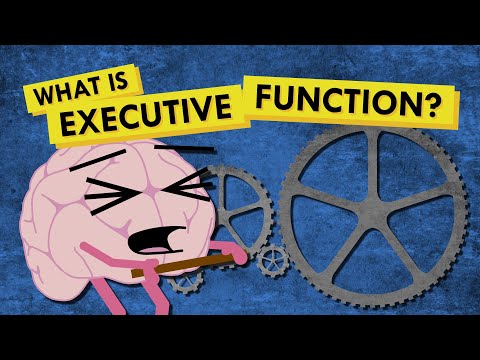
You ever feel like your brain’s a little messy? Like, one minute you’re super focused, and the next, you can’t remember where you left your keys? That’s kinda what executive function is all about.
It’s this behind-the-scenes stuff that helps you plan, organize, and keep track of everything in your life. Seriously! Imagine trying to juggle a million things without it—chaos!
We all have those days when our executive function takes a vacation. But what does that even mean? Let’s chat about it and break it down together. It’s not as heady as it sounds!
Understanding Executive Function in Psychology: Definition, Importance, and Impact on Mental Health
Understanding Executive Function in Psychology is super important when it comes to our mental health. You might be wondering what executive function really is. Well, here’s the scoop: it’s basically like the brain’s command center. It helps you make decisions, set goals, plan ahead, and manage your emotions. Pretty crucial stuff, right?
So, let’s break it down a bit more. Executive function involves a bunch of mental skills that include:
- Working memory: This is the ability to hold onto information for short bursts. Like remembering a phone number long enough to dial it.
- Inhibitory control: This means being able to stop yourself from acting on impulse. Ever wanted to shout out during a serious meeting? That’s where this comes in!
- Cognitive flexibility: This helps you switch gears and adapt when things don’t go as planned—like finding a new route when you hit traffic.
Now, think about it: if any of these skills aren’t working well, life can get pretty overwhelming. You might end up feeling anxious or frustrated.
Let me share a little story that illustrates this point. Imagine someone named Jess who struggles with executive function due to ADHD. She often forgets her deadlines and has trouble keeping track of her assignments at school. One day she misses an important deadline because she couldn’t remember what was due or plan her time effectively. She ends up feeling stressed and ashamed about her performance.
That situation could create a vicious cycle where the stress affects her self-esteem and mood, which makes planning even harder next time around.
In terms of importance, executive function impacts everything from academic success to personal relationships. If you’re good at planning and executing tasks, chances are you feel more competent tackling daily activities.
When executive function is impaired, it can lead to various mental health issues like anxiety or depression because you may feel overwhelmed or incapable of managing life’s demands.
If we look at something like therapy approaches targeting these functions—cognitive behavioral therapy (CBT) can help people develop better strategies for organizing their thoughts and actions.
Ultimately, understanding executive function isn’t just for therapists or psychologists; it’s also valuable if you want better insight into your own behavior or that of someone close to you. If you’ve ever felt lost in your own head or struggled with tasks that seem simple for others, know that you’re not alone! And that’s part of navigating life together, right?
Understanding the 4 Pillars of Executive Functioning: Key Components for Success
So, let’s talk about executive functioning. You know, those brain skills that help us plan, focus, remember things, and get stuff done? They’re super important for success in pretty much every aspect of life. There are four main pillars of executive functioning that we should definitely break down.
1. Inhibition
This is all about self-control. Basically, it’s your ability to stop yourself from doing something impulsive. Like when you’re in a meeting and really want to scroll through your phone but you hold off because hey, you need to pay attention. That power to pause and think before acting? It’s crucial for making good decisions.
2. Working Memory
Imagine juggling a bunch of balls at once—that’s kind of what working memory is about! It’s the capacity to hold onto information while using it. For example, when you’re following a recipe and trying to remember the next steps while keeping track of what’s already in the pot—yeah, that’s working memory in action! If yours isn’t firing on all cylinders, it can feel really overwhelming.
3. Cognitive Flexibility
This one sounds fancy but it really just means flexibility in thinking! You know how sometimes plans change last minute? Cognitive flexibility lets you adapt without losing your cool. If you’re driving somewhere and hit unexpected traffic, being able to switch gears and find a different route is all about this pillar.
4. Planning and Organization
Here we go—this pillar is like your personal project manager! It involves setting goals and figuring out how to achieve them step by step. Like if you’re planning a party, it helps you break everything down: sending invites, buying snacks, decorating—without feeling totally overwhelmed by the big picture.
Each one of these pillars plays a role in day-to-day function; they can be affected by various factors like stress or lack of sleep too! So if one pillar feels shaky for you or someone else—like struggling with impulse control or getting organized—it might be helpful to work on strengthening that area.
When we think about executive functioning as a whole, remember: these pillars are interrelated and often work together. Struggling with one can ripple into others too! So next time you find yourself flailing at tasks or feeling scattered—it could be an executive functioning issue nudging at the back of your mind.
Understanding these components not only sheds light on our behaviors but also offers ways to tackle challenges more effectively. Whether it’s finding strategies for schoolwork or managing daily life better—knowing our brain’s tools gives us an edge toward success!
Understanding Executive Function: Key Insights into Child Development
Understanding executive function is like unlocking a hidden level in the game of child development. It’s not just a flashy term; it plays a crucial role in how kids learn, behave, and interact with the world around them. So, what’s it all about?
First off, let’s define what **executive function** actually means. Basically, it refers to a set of mental skills that help you manage your thoughts, actions, and emotions. Think of it as the brain’s control center. It helps with things like:
- Planning: Setting goals and figuring out how to achieve them.
- Organization: Keeping track of belongings or assignments.
- Working Memory: Holding information in your mind while using it—like remembering a phone number long enough to dial it.
- Impulse Control: Resisting the urge to act on whims or distractions.
- Flexibility: Adapting to new situations or changing plans when needed.
Now, imagine a little kid trying to put together their favorite Lego set. If they can visualize the end product (planning), remember which pieces they need (working memory), and switch gears when they realize they grabbed the wrong block (flexibility), they’re using executive function skills!
These skills start developing early—like in preschool—and grow through childhood into adolescence. You know that moment when your friend’s kid is throwing a tantrum because they can’t have dessert before dinner? That’s impulse control—or lack thereof—in action! As children grow, their ability to manage these impulses improves.
But here’s where things get complicated: not all kids develop these skills at the same pace. Some may struggle with executive function due to various reasons, like ADHD or anxiety. For instance, if a child has trouble organizing their homework or controlling their impulses during class discussions, it may signal an issue with their executive functioning.
So why does this matter? Well, strong executive function skills are linked to better academic performance and social interactions later on. Kids who master these skills tend to fare better in school and make friends more easily.
Let’s say you’re watching your niece give up on her school project halfway through because she doesn’t know how to organize her thoughts into an outline. This could be frustrating for her—and for you too! Helping her break down tasks into smaller steps could boost that planning skill.
If you’re looking for ways to nurture these abilities at home or in school—think about activities that promote decision-making and problem-solving. Games that require strategy are super helpful! Classic board games like Monopoly encourage kids to plan ahead while also learning about consequences.
In short, understanding **executive function** gives you valuable insight into child development. By recognizing its importance and supporting kids as they navigate this journey of growth and change, we can really help set them up for success later on—in school and life!
Okay, let’s talk about executive function. It’s one of those terms that gets tossed around a lot, especially in psychology and mental health circles. But honestly, it can be a bit confusing if you’re not deep in the field. So, what is it?
Basically, executive function refers to a set of mental skills that help us manage our thoughts and actions. Imagine trying to juggle: you need coordination, focus, and the ability to switch between tasks without dropping the balls. That’s kind of what executive function is like—it helps you plan ahead, stay organized, control your impulses, and even remember things when you need them.
So here’s a little story for you. I have this friend who always struggled with procrastination. Like seriously, deadlines were his arch-nemesis! One day he realized that it wasn’t just laziness; it was more about how his brain organized tasks. He started working on his executive function—breaking big tasks into smaller ones and using reminders on his phone—which helped him massively! Now he meets deadlines without panicking. It was all about figuring out how to work with his brain rather than against it.
Now let’s get real about this: if someone has challenges with executive function—like kids with ADHD or people dealing with anxiety—it can throw a wrench into daily life. You might forget appointments or struggle to follow through on goals. But understanding this concept can be life-changing because it opens up pathways for better strategies.
Many therapy approaches focus on enhancing these skills too! Cognitive behavioral therapy (CBT) often involves setting achievable goals and breaking things down step-by-step—perfect for giving that executive function a little boost.
So yeah, although executive function might seem like just another fancy term in psychology, it’s super relevant to our everyday experiences. Recognizing how these functions work—or don’t work—in your life can lead to some pretty powerful shifts in how we approach problems and challenges every day!