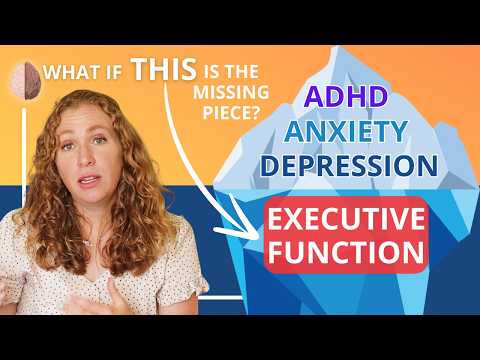
You know those days when your brain feels like a scrambled mess? You’re trying to focus, but everything just seems… off? Well, that’s where executive function skills come in.
Basically, they’re like the personal assistants of your mind. Organizing thoughts, managing time, keeping impulse control in check—those are their jam. And guess what? Enhancing these skills can be a game changer for our mental health.
Imagine being able to tackle your to-do list without feeling totally overwhelmed or making decisions without second-guessing yourself. Sounds nice, right?
So let’s chat about how to sharpen those skills! Trust me, it could make a world of difference.
Boosting Adult Mental Health: A Comprehensive Guide to Enhancing Executive Function Skills (PDF Download)
Improving your mental health can sometimes feel like a daunting task, especially when you’re navigating adult life with various responsibilities. One way to tackle this is by enhancing your executive function skills. These are the mental processes that help you manage, plan, and execute tasks in daily life.
Executive functions are like the brain’s air traffic control. They help you prioritize what needs to get done and keep everything running smoothly. When these skills are sharp, it can lead to better emotional regulation and improved decision-making—two major players in mental health.
Now, let’s break down some key components of executive function skills:
- Working Memory: This is about holding information in your mind while using it, kind of like balancing plates on sticks. Picture trying to remember a grocery list while also navigating through a crowded store.
- Inhibitory Control: This involves resisting impulses or distractions. It’s like being at a party and really wanting that extra slice of cake but deciding against it because you know it doesn’t fit your diet.
- Cognitive Flexibility: This refers to the ability to adapt when things don’t go as planned. Think of it as being able to take a detour when your GPS says there’s heavy traffic ahead.
So why focus on these skills? Well, folks with strong executive functions tend to handle stress better and experience lower levels of anxiety. It’s sort of like having a sturdy umbrella when the rain hits—you can weather the storm.
If you’re feeling overwhelmed, let’s consider an example: Imagine you’ve got a big project due at work but can’t seem to get started because you’re distracted by social media. Strengthening your inhibitory control could help you resist those distractions, allowing you to focus and tackle that project head-on.
You might wonder how you can boost these skills. Luckily, there are many ways:
- Meditation and Mindfulness: Taking a few moments each day for focused breathing or meditation can sharpen your attention span.
- Puzzles and Games: Engaging in activities that challenge your mind—like Sudoku or chess—can strengthen working memory and problem-solving abilities.
- Simplicity Techniques: Start with small tasks each day; breaking things down into smaller steps makes things less overwhelming.
Have you ever had one of those days where everything just felt too much? Maybe you forgot an important appointment because there were too many things swirling around in your head? By enhancing these executive function skills, you’ll find it easier to juggle responsibilities without feeling like you’re losing grip.
In addition, regular physical exercise has been shown to boost overall brain health and aid cognitive functioning. Even going for a walk or doing some yoga can positively impact how well your brain organizes daily tasks.
To wrap things up (not that I’m actually wrapping up like I’m done here), improving executive function isn’t just beneficial for getting stuff done—it’s key for overall well-being! Just imagine being able to handle life’s ups and downs with ease; that can truly feel empowering.
Getting started on this journey may seem tough at first, but remember: every little step counts! Embrace the process—and before long, you’ll be wondering why you didn’t start sooner!
Essential Executive Functioning Strategies for Adults: Free PDF Guide to Enhance Focus and Productivity
Executive functioning is like the brain’s air traffic control system. It helps you plan, organize, manage time, and keep your focus sharp. But hey, we all know that juggling these skills can be tricky sometimes. So, if you’re looking to boost your executive functioning, here are some helpful strategies to enhance focus and productivity in daily life.
1. Break Tasks into Smaller Steps
When a project feels overwhelming, it’s easy to feel lost. Divide it into bite-sized tasks. For instance, if you have a big report due, break it down into sections—like research one day and writing another. This makes things less daunting and provides a clear path forward.
2. Use Visual Aids
Visual reminders can work wonders for keeping you on track. Think about using color-coded calendars or sticky notes with reminders in your workspace. You could even make a vision board that outlines your goals and tasks visually.
3. Set Clear Goals
Setting specific goals can help direct your energy effectively. Instead of saying “I want to get fit,” try “I’ll walk for 30 minutes every morning.” This clarity helps you stay focused on what really matters.
4. Limit Distractions
Distractions are everywhere—the phone is like a magnet! Create a work environment that minimizes these distractions as much as possible. Silencing notifications or using apps that block social media while you work can help keep your attention where it needs to be.
5. Practice Mindfulness
Mindfulness exercises can train your brain to focus better over time. Just take a few minutes each day to breathe deeply and tune into the present moment without judgment. It might feel weird at first, but with practice, it helps clear mental clutter.
6. Establish Routines
A structured routine can give your brain much-needed stability—and less chaos means more focus! Try setting regular times for meals or breaks during work hours so that this predictability creates comfort in your day-to-day life.
7. Prioritize Self-Care
You can’t pour from an empty cup! Make sure you’re getting enough sleep, eating well, and engaging in activities that recharge you emotionally and mentally—even if that’s just enjoying some quiet time with a favorite book or show.
Remember the story of Alex? He used to feel completely overwhelmed by his job tasks every week—but then he started implementing these strategies one step at a time: breaking his workload down into smaller sections made everything feel way more manageable for him! All of the sudden, he saw improvements in not only his productivity but also his overall mood!
These strategies aren’t magic spells; they require practice and patience as you build them into daily life—and honestly? That’s totally okay! Just take it at your own pace; transforming executive functioning skills takes time but pays off big in the long run—seriously worth it!
Unlocking Potential: Understanding the 7 Key Executive Functions for Better Mental Health
In the realm of mental health, understanding executive functions can really change the game for adults. Executive functions are like the brain’s personal assistant. They help you plan, focus, remember things, and juggle multiple tasks. When they’re working well, you feel organized and energized. But when they struggle? Well, things can get pretty messy.
So, what are these **seven key executive functions**? Let’s break them down so it all makes sense.
- Working Memory: This is your brain’s sticky note. It helps you hold onto information while using it. For example, when cooking a recipe and remembering steps without constantly glancing at your phone!
- Inhibition: Think of this as your impulse control superhero! It helps you resist distractions and stay on track. Maybe you’re in a meeting and want to scroll through social media but choose to focus instead.
- Cognitive Flexibility: This is all about adapting to changes when plans go sideways, kind of like rolling with the punches. Let’s say you’re driving to a friend’s house and hit road construction—being flexible means finding an alternative route without stressing out.
- Emotional Control: Here’s where managing feelings comes into play. Picture this: You get feedback at work that stings a bit. Emotional control allows you to process it without flying off the handle.
- Task Initiation: This function helps you start tasks without procrastinating! Like when you’re dreading doing laundry but manage to kickstart the process anyway by just putting on one load.
- Planning: Planning is crucial for setting goals and mapping out steps to achieve them. Imagine wanting to save money for a trip—you’ll need a plan to budget each month properly.
- Organization: Last but not least is keeping everything in order! Whether it’s your schedule or workspace, organization helps you find what you need when you need it (which can save tons of time).
These functions don’t just pop up; they develop over time through experiences and learning opportunities. They’re super important for mental health because poor executive functioning can lead to feelings of overwhelm or anxiety.
Here’s where things can hit home: imagine Sarah—a fictional character who always feels scattered and anxious about her day-to-day life. She struggles with task initiation and feels drained by her chaotic schedule because she can’t keep organized or stay focused on opening her laptop instead of scrolling through Netflix all evening.
By practicing ways to strengthen those executive functions—like using planners or maybe even meditation techniques—Sarah starts feeling more in control. She learns that planning out her week reduces that overwhelming feeling because now she knows what she needs to tackle each day.
Improving these skills takes practice but can lead toward much better mental health overall! Who wouldn’t want more balance in their life? In short, by acknowledging and enhancing these seven key executive functions, we essentially pave the way for **a smoother journey** through daily challenges while supporting our emotional well-being along the way!
Alright, let’s chat about executive function skills and how they can, like, totally affect adult mental health. You know those days when you feel like your brain is just spinning in circles? Yeah, that often comes down to how well our executive functions are working. These skills basically help us organize tasks, manage time, and make decisions. They’re the “control center” of our minds.
I remember a time when I was juggling too many things at once. Work was piling up, my social life felt chaotic, and honestly? I just couldn’t focus on what mattered. It was exhausting. That’s when I realized my executive function skills weren’t quite up to par.
So here’s the thing: if we’re struggling with these skills, our mental health can take a hit. We might feel overwhelmed or anxious because we can’t keep everything straight. It’s like trying to drive a car with a foggy windshield; nothing’s clear and you feel out of control.
Enhancing those skills doesn’t mean you have to completely overhaul your life overnight. Small changes can really make a difference! You might try setting timers for tasks to boost your time management or using lists to keep track of what needs doing—simple stuff that helps your brain stay organized.
Think about it: when we feel more in control of our day-to-day actions, our stress levels can drop significantly. And hey, with less stress comes better mental health! So taking a bit of time to work on executive function can lead to some serious benefits overall.
In the end, it’s all about finding balance and working toward improving those little things that add up over time. Your brain will thank you for it!