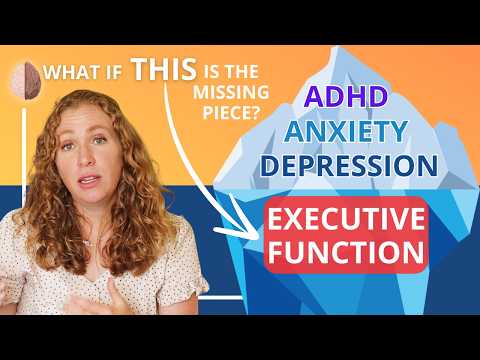
You know those days when you feel like you’re juggling a million things at once? Yeah, we’ve all been there. It can be tough trying to keep your life in order while battling distractions and forgetfulness.
Well, that’s where executive functioning comes in. It’s all about managing tasks, planning, and staying focused. Basically, the nuts and bolts of getting stuff done without losing your mind.
A lot of adults struggle with this stuff—it’s not just kids who have trouble! Sometimes it feels like you’re on a tightrope, right? Balancing everything can be a real challenge.
But here’s the cool part: we can actually work on these skills. You don’t have to live in chaos! Let’s chat about ways to boost your executive functioning skills and make life feel a little more manageable. Sound good?
Effective Strategies to Overcome Executive Dysfunction Naturally
Executive dysfunction can really mess with your day-to-day life. It involves trouble with planning, organizing, and completing tasks. Seriously, it can feel like every little thing is a mountain to climb! So if you’re looking for some natural ways to tackle this issue, there are a few strategies that might help.
1. Break Tasks Down
One of the biggest hurdles is often just the sheer size of a task staring you in the face. You know? Like when you look at your entire to-do list and feel totally overwhelmed. The trick here is to break things down into smaller, more manageable steps. If you need to clean your room, for example, try focusing on just one corner at a time. This makes it feel less daunting!
2. Establish Routines
Creating routines can be a game changer! When you have specific times for certain tasks, like making coffee or doing the dishes right after dinner, it becomes second nature. It’s like building muscle memory for your brain! Plus, routines help reduce decision fatigue—less time spent thinking about what to do means more energy for actually getting things done.
3. Use Visual Aids
Ever heard of color-coded calendars or sticky notes? They can really help you visualize what needs to get done! Hang a big calendar in your kitchen or use an app to track your tasks visually. It’s like having a personal assistant right there with you—reminding you of what’s coming up next!
4. Limit Distractions
Distractions are everywhere these days and they can seriously derail your focus. Try setting up a distraction-free zone when it’s time to work on something important. Turn off notifications on your phone and find a quiet spot if possible. You’ll be surprised how much easier it gets when you’re not constantly interrupted.
5. Take Regular Breaks
Focusing nonstop is pretty exhausting and can lead to burnout pretty quickly! Schedule regular breaks into whatever you’re working on—10 minutes every hour can do wonders for your brain’s stamina. During those breaks, stretch or take a short walk; whatever feels good!
6. Practice Mindfulness
Mindfulness techniques, like meditation or deep breathing exercises, can really help improve focus over time! Just taking a few moments each day to center yourself may clear mental clutter and boost concentration levels.
I remember once feeling completely swamped by work deadlines.
I decided one Saturday morning that I’d tackle one project at a time instead of trying to juggle them all.
The relief I felt was incredible!
Taking those little steps worked wonders for my stress levels.
So yeah, if you’re dealing with executive dysfunction, give some of these methods a shot! They might take time and practice but getting into good habits will make things smoother over time—not perfect but definitely way better than before!
Essential Executive Functioning Strategies for Adults: Downloadable PDF Guide
You know, executive functioning is one of those things we don’t really think about until it becomes a problem. Basically, it’s how we manage our tasks, control our impulses, and stick to plans. And let me tell you—that can get pretty tricky sometimes!
For adults, enhancing these skills can lead to a more organized life and better emotional well-being. So, what are some essential strategies you might try out? Here’s a look at them:
- Prioritization: Start by sorting your tasks into what’s urgent versus what’s important. Think of it like this: if your house is on fire (urgent), you wouldn’t waste time organizing your sock drawer (important). Focus on what needs your attention first.
- Time Management: Set deadlines for yourself—even for tasks that don’t have any. You could use timers or apps that remind you of upcoming tasks. For instance, if you’re working on a project due next week, break it down into smaller parts and give each part its own mini-deadline.
- Mindfulness Practices: Seriously, mindfulness can help boost your focus and reduce stress. Just pausing for a few minutes to breathe deeply while tuning into your thoughts can help clear mental clutter.
- Visual Aids: Use calendars or to-do lists—whatever floats your boat! Writing things down gives them weight in reality. Color-coding tasks might even make them feel less like chores and more like fun activities!
- Chunking Tasks: Breaking larger projects into smaller pieces makes them feel doable instead of overwhelming. If you’ve got a big report to write, maybe start with just creating an outline first—one simple step at a time.
Let’s say you’re juggling work deadlines while also trying to keep up with family responsibilities—it’s easy to feel overwhelmed! Applying these strategies could really lighten the load.
Also worth mentioning: self-compassion plays a big role here too! If things don’t go as planned? That’s totally okay. Give yourself grace as you work on these skills; change doesn’t happen overnight.
In addition, seeking resources or communities that focus on executive functioning might be helpful too; connecting with others who are facing similar challenges can provide support and new ideas.
So there you have it—some straightforward strategies for better executive functioning! Implementing even small changes could lead to some major wins in how you manage day-to-day life.
Effective Strategies to Enhance Executive Function in Adults with ADHD
Managing ADHD as an adult can feel like juggling a bunch of flaming torches while riding a unicycle, right? One of the biggest challenges is **executive function**—those mental skills that help you plan, focus, remember things, and control your impulses. It’s like having a really slow internet connection when you just want to stream your favorite show. So let’s talk about some effective strategies to enhance executive function in adults with ADHD.
1. Break Tasks into Smaller Steps
You know how daunting it feels looking at a huge project? Instead of staring at the mountain ahead, try breaking it down into smaller pieces. Say you have to write a report. Instead of «writing the report,» focus on subtasks like “drafting an outline” or “writing the introduction.” Each small win can boost your motivation and keep you moving.
2. Use Visual Aids
Visuals can be game-changers! Think color-coded calendars or sticky notes placed around your space as reminders for tasks. For example, if you need to pick up groceries after work, maybe place a note on your car dashboard so it’ll catch your eye.
3. Set Up Routines
Creating routines helps develop consistency. Try getting up at the same time every day or scheduling regular times for activities like exercise or reading. This predictability makes it easier for you to anticipate what’s next, reducing decision fatigue and overwhelm.
4. Limit Distractions
Your environment plays a significant role in how well you can focus. Experiment with minimizing distractions where possible—like finding a quieter place to work or using apps that block social media during certain hours. Even noise-cancelling headphones might help drown out background noise if you’re in a busy area.
5. Practice Mindfulness
Mindfulness isn’t just trendy; it actually helps improve attention and focus! You could try simple breathing exercises or guided meditation for just five minutes daily. Even taking a moment to check in with yourself during the day—like recognizing when you’re feeling overwhelmed—can significantly enhance your self-regulation.
6. Use Technology Wisely
Smartphone apps are excellent tools for managing ADHD symptoms if used effectively! To-do list apps can keep track of tasks, while reminders ensure that nothing slips through the cracks. But hey, don’t go overboard—too many apps can ironically become overwhelming.
7. Reach Out for Support
Having someone in your corner makes all the difference! Whether it’s friends, family members, or therapist support groups, talking about what you’re going through can provide encouragement and accountability.
Incorporating these strategies doesn’t mean you’ll solve all your challenges overnight, but by making small changes consistently over time, you’ll likely notice improvements in how you manage daily tasks and responsibilities—and how empowered you feel in life overall!
You know, executive functioning is one of those things we often don’t think about until it really gets in the way. It’s like the brain’s control center, managing everything from planning your day to keeping your emotions in check. So, when someone struggles with these skills, life can feel kinda chaotic. That’s a bummer, right?
I remember a friend of mine who always had a million things on his plate but never seemed to get anything done. His workspace? A total disaster zone. He’d sit down to work and get distracted by every little thing—social media, snacks in the pantry, you name it. He was overwhelmed but couldn’t figure out why he felt that way. It turns out he had some trouble with executive functioning. Once he started working on those skills—like prioritizing tasks and setting small goals—things began to shift dramatically for him.
So, let’s break this down a little bit: enhancing executive functioning is about developing skills like organization, mental flexibility, and impulse control. And it’s absolutely possible! Techniques range from simple strategies like making lists (seriously—those can be lifesavers) to practicing mindfulness to stay present and focused.
Sometimes it helps to visualize what you want your days to look like and set up systems that guide you there. Maybe you’ll create a routine where every Thursday night you plan meals for the week ahead or set aside time each morning just for tackling emails before diving into bigger projects. These little habits can really add up.
And here’s something cool: being aware of your own tendencies can make a big difference too. If you know you get distracted easily or tend to procrastinate, being mindful of that opens up options for change—or at least helps you be kinder to yourself when things don’t go as planned.
Overall, enhancing executive functioning isn’t just about boosting productivity; it’s about feeling calmer and more in control of life’s unpredictable twists and turns. And honestly? Who doesn’t want a bit more of that?