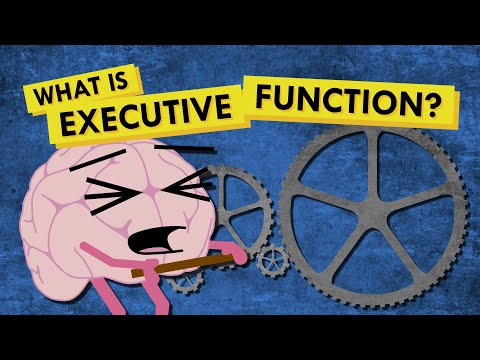
You know how some days you can juggle a million things, and other days it feels like you can’t even find your car keys? Seriously, right?
Well, that’s all about something called executive functioning. Sounds fancy, but it’s just the brain’s way of helping you plan, focus, and get stuff done.
A lot of people struggle with these skills. Trust me, you’re not alone! It can really mess with your day-to-day life and even your mental health.
But here’s the good part: there are ways to boost those skills. And when we do that? It can make a world of difference in how we feel and function. Let’s chat about how to support our mental health by leveling up those executive functioning skills. Sound good?
Understanding Executive Functions: Their Role in Mental Health and Well-Being
So, let’s talk about executive functions. You might be wondering what these are and why they matter for your mental health and well-being. Well, executive functions are basically the brain’s management system. They help you plan, focus attention, remember instructions, and juggle multiple tasks or goals at once.
Think of it this way: imagine you’re trying to cook dinner while also keeping an eye on your kids. Executive functions help you keep track of ingredients, time your cooking right, and make sure everyone is safe at the same time. It’s like having a personal assistant in your brain, making sure everything runs smoothly.
Here’s how these functions play into our mental health:
- Planning and Organization: When you’re able to plan effectively, it lowers stress. You can break down big tasks into smaller ones without feeling overwhelmed.
- Impulse Control: This is a biggie! Being able to think before acting helps you manage relationships and avoid risky behaviors.
- Working Memory: This is about holding information in mind for short periods—like remembering a phone number until you dial it. A solid working memory supports learning and daily functioning.
- Task Switching: Life throws curveballs all the time! Being able to switch gears smoothly between tasks keeps stress levels in check.
The thing is, when our executive functioning isn’t where it should be—like after a tough day or during anxiety spells—it can take a toll on our day-to-day lives. You know those moments when everything feels chaotic? That might be your executive functions struggling to keep up.
A little story here: I knew someone who struggled with organizing their work for an important project. They kept missing deadlines because they couldn’t keep track of what needed to be done first. It was stressful! But once we started breaking things down into smaller pieces together, they really started to feel more in control. They were more relaxed and ultimately produced some fantastic work!
Your mental well-being can seriously benefit from strengthening those executive function skills. Practicing mindfulness can improve focus and impulse control—just taking some time each day to breathe deeply or reflect can do wonders! And if you’re ever feeling stuck or overwhelmed? Getting professional support from a therapist can help build these skills too.
You see? Executive functions may not get as much spotlight as other mental health topics, but seriously—they’re super important for maintaining a healthy mind! When we support them, we take giant steps toward better emotional regulation and overall happiness in life.
Enhancing Mental Health in Adults: The Role of Executive Functioning Skills
Ever feel like your brain’s a cluttered desk? Seriously, it’s hard to focus, juggle tasks, and remember everything when your executive functioning is off. Executive functioning skills are basically the mental processes that help you manage and regulate your thoughts and actions. And these skills play a big role in maintaining good mental health.
Executive functions include things like planning, organization, impulse control, and even emotional regulation. These are the tools you use to navigate daily life. If they’re not working well, it can lead to chaos—like forgetting appointments or feeling overwhelmed with everyday decisions.
Take a moment to think about a time when everything felt too much. Was it hard to prioritize what needed doing? That’s where executive function comes into play. If you struggle with planning ahead or managing tasks, it can lead to anxiety or stress, which doesn’t do wonders for your overall mental health.
So, how can improving these skills really help? For starters:
- Boosting Focus: Better executive functioning helps increase attention span. When you’re focused, you’re less likely to feel scattered.
- Improved Decision-Making: With enhanced organization skills, you’re more equipped to make choices that align with your goals.
- Emotional Control: Being able to regulate emotions means fewer outbursts and better responses during stressful moments.
- Coping Skills: Enhanced planning allows you to prepare for challenges before they hit. You know what I mean?
Here’s an example: Imagine someone who struggles with prioritizing their day. They might wake up feeling anxious because there’s just so much on their plate—emails piling up, meetings looming, groceries needing pickup. That anxiety can spiral if they don’t have solid executive function skills in place. But if they practice breaking those tasks into smaller chunks or use lists—bam! Suddenly, it feels manageable.
Engaging in activities that build these skills is also super helpful. Try things like:
- Meditation: It promotes mindfulness and helps sharpen focus.
- Puzzles or Strategy Games: They require planning and thinking ahead.
- Your Own Scheduling: Use planners or apps that help organize your tasks—it makes a difference!
So basically, enhancing your executive functioning can transform how you handle life’s ups and downs. When your brain’s organized and able to manage tasks smoothly, mental health improves right along with it.
In the end, remember that working on these skills isn’t just about being productive; it’s about giving yourself some peace of mind too! Less clutter in your head means more room for happiness and growth—who wouldn’t want that?
Understanding the 7 Key Executive Functions and Their Impact on Mental Health
When we talk about **executive functions**, we’re diving into those mental processes that help you manage your thoughts, emotions, and actions. It’s like your brain’s little control center, guiding you through life. There are seven key executive functions, and understanding them can really help with mental health. So let’s break them down.
1. Inhibition is all about self-control. It’s the ability to resist distractions and think before acting. Think about that moment when you’re about to snap at someone but you catch yourself. That pause? That’s inhibition at work! If this skill is weak, it can lead to impulsivity and emotional outbursts, which can make relationships tricky.
2. Working Memory lets you hold onto information temporarily while using it—like remembering a phone number just long enough to dial it. It helps you follow conversations or instructions too. When working memory struggles, everyday tasks become more stressful, and anxiety might creep in when you can’t keep track of things.
3. Cognitive Flexibility, or shifting gears mentally, is super important for problem-solving and adapting to new situations. Imagine trying to find a new route when there’s road construction—it takes cognitive flexibility to adjust without losing your cool! Without this skill, folks might find themselves stuck in rigid thinking patterns which can be pretty overwhelming.
4. Planning is where setting goals and figuring out how to reach them comes into play. It’s like mapping out a road trip—if you’ve got no plan, you’re just driving aimlessly! A lack of planning ability can lead to feeling lost or frustrated with daily tasks.
5. Organization is vital for keeping things in order—both physically and mentally. When everything has its place (you know those days when your desk looks like a tornado hit it?), it’s easier to focus on what matters most! Disorganization often leads to anxiety because the chaos around can match the chaos inside your mind.
6. Task Initiation refers to starting tasks without procrastination or overthinking—kind of like jumping straight into a cold pool instead of standing there debating it forever! If initiating tasks feels heavy, it may result in a backlog of responsibilities that contribute to stress or feelings of inadequacy.
7. Emotional Regulation helps you manage your feelings in different situations—like staying calm during an argument instead of blowing up (remember that self-control?). Poor emotional regulation can lead not only to conflicts but also deeper issues like depression or anxiety.
So seriously, if someone struggles with executive function skills, their mental health can really suffer as they navigate life’s daily ups and downs. Working on these skills isn’t just about being organized; it’s about building resilience and healthier emotional responses too!
Okay, so let’s talk about executive functioning. It’s one of those buzzwords that gets thrown around a lot, but what does it really mean? Basically, executive function is like the brain’s manager. It helps you plan, organize, start tasks, stay focused, and follow through. Think of it as the conductor of an orchestra—making sure all the different parts work together smoothly.
Now imagine someone struggling with these skills. They might feel overwhelmed by everyday tasks that seem simple to others. I once knew a friend who could never remember to follow through on plans. She’d get excited about something—a concert or a movie night—but then bam! The day would come and she’d totally forget or mix up the times. For her, it wasn’t about not caring; her brain just didn’t help her juggle everything.
Supporting mental health through strengthening those executive functioning skills can make a huge difference. When you break things down into smaller steps or create routines, it’s like giving someone a roadmap for their day-to-day life. You know how when you organize your closet after a long time? Suddenly everything feels lighter and more manageable? That’s what these skills can do mentally.
People often overlook this connection between mental health and executive functioning. If you’re feeling anxious or depressed, your brain might not work as well in those areas—it’s like wading through thick mud just to get started on a project or even just replying to a text message! So helping someone develop these skills can not only aid in their task management but also boost their confidence and sense of control over their life.
So maybe try breaking down big tasks into smaller ones, using checklists, or setting timers for breaks when working on something important. These are little things that can make everything feel less daunting.
Remember my friend? Once she learned how to organize her plans better—using apps and setting reminders—her stress level dropped significantly. She started enjoying life more instead of feeling frazzled all the time!
Finally, supporting someone in developing executive functioning isn’t just about being practical; it shows you care about their overall well-being too! And in this fast-paced world we live in, that support can mean everything.