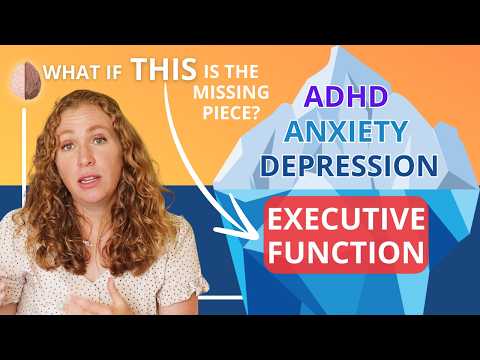
You know that feeling when your brain just feels… foggy? Like, no matter how hard you try, things start piling up and it’s tough to keep track of everything. Yeah, that’s a struggle many people face with executive functioning challenges.
It’s wild how our brains are supposed to help us plan, organize, and get stuff done. But sometimes they just don’t cooperate. And it can be super frustrating!
So, let’s chat about some effective treatments out there that can really make a difference. You’re not alone in this; tons of people are looking for ways to tackle these challenges.
10 Effective Strategies to Enhance Executive Functioning Skills for Better Mental Wellness
Well, executive functioning skills can feel a bit like the unsung heroes of our brains, right? They’re essential for planning, organizing, and managing our emotions. When they’re not working well, it can mess with everything from school to job performance and even relationships. Let’s chat about some effective strategies to boost those skills for better mental wellness.
1. Break Tasks Down: When faced with a big project or goal, it can be overwhelming. Instead of trying to tackle everything at once, break tasks into smaller steps. It’s like eating a pizza – you wouldn’t shove the whole thing in your mouth! Take one slice at a time.
2. Use Visual Aids: Charts, lists, or sticky notes are awesome for keeping track of tasks and deadlines. Visual reminders help your brain organize thoughts better and make the whole process a lot clearer.
3. Set Timers: Sometimes you just need a little push, right? Set timers for specific tasks—let’s say 25 minutes—to stay focused without zoning out. This technique is often called the Pomodoro Technique; it helps create urgency without feeling rushed.
4. Practice Mindfulness: Taking time to practice mindfulness can improve self-control and reduce stress. Try breathing exercises or meditation—just a few minutes can help clear your mind and sharpen your focus.
5. Stay Organized: Keeping your space tidy can do wonders for your mental clarity! A cluttered environment often leads to a cluttered mind. Create routines for organizing materials—whether it’s schoolwork or household items—to keep distractions at bay.
6. Limit Distractions: Social media and TV are fun but oh-so-disruptive! Identify what’s distracting you most and look for ways to limit those interruptions when you’re trying to concentrate on important tasks.
7. Develop Routines: Establishing daily routines helps train your brain to expect what comes next, which makes decision-making easier! Whether it’s morning rituals or how you wind down at night, consistent patterns can boost efficiency.
8. Get Enough Sleep: Sleep plays a huge role in how well our executive functions work! Aim for 7-9 hours of quality sleep each night; seriously, lack of rest makes it harder to focus and think clearly during the day.
9. Engage in Physical Activity: Regular exercise isn’t just good for your body—it also boosts brain function! Whether it’s dancing in your living room or going for walks in the park, moving around helps sharpen those mental skills.
10. Seek Support when Needed: Sometimes you just need an outside perspective—a friend or therapist who gets what you’re going through can be super helpful! They can offer guidance that may lead you toward finding more strategies that work specifically for you.
By incorporating these strategies into your life bit by bit, you’ll likely find that managing daily tasks feels less daunting while improving overall mental wellness too! It might seem like small moves at first but watch how they add up over time—the impact is real.
Enhancing Executive Functioning: The Best Therapies for Mental Health Improvement
Executive functioning is like the control center of your brain. It helps you plan, focus, remember things, and manage time effectively. But when it gets a little wobbly, life can feel overwhelming. Seriously, it’s like trying to juggle while riding a unicycle—stressful and a bit tricky!
So, what can you do to enhance your executive functioning? Well, there’s no one-size-fits-all answer, but several therapies have shown promise in helping people get back on track.
- Cognitive Behavioral Therapy (CBT): This therapy focuses on changing negative thought patterns that interfere with daily functioning. You work with a therapist to identify these thoughts and replace them with healthier ones. It’s like switching gears in your brain.
- Mindfulness-Based Interventions: Mindfulness teaches you to be present and aware without judgment. This can help improve focus and reduce impulsivity. Imagine being able to pause for a moment before checking your phone during a conversation—it makes a difference!
- Coaching: Sometimes having someone in your corner helps when tackling executive function challenges. Coaches can offer strategies for organization and time management tailored just for you. Think of them as your personal support crew.
- Parent Training Programs: For kids struggling with executive functions, training programs for parents can teach effective strategies for helping their children develop these skills at home. It’s all about teamwork!
Additionally, some folks find using tools like planners or apps really helpful for keeping track of tasks and deadlines. Just jotting things down can take the load off your mind! Or consider breaking big tasks into smaller chunks—this makes it easier to get started without feeling overwhelmed.
Research has shown that activities like exercise or playing an instrument can significantly boost executive function too! It’s pretty amazing how getting those endorphins flowing or engaging in something creative can clear the mental fog.
The journey to enhancing executive functioning is personal and varies from person to person. Remember, seeking help from professionals who understand these challenges is key! And honestly? Sometimes just talking things out with someone who gets it makes all the difference in the world.
Essential Executive Functioning Strategies for Adults: Download Your Free PDF Guide
Alright, let’s get into executive functioning. It’s not just fancy jargon—it’s about how you plan, focus, and manage your time and tasks. So if you find yourself struggling to keep it all together, don’t worry; you’re definitely not alone. Many adults deal with these kinds of challenges.
What are Executive Functions? Basically, they’re the mental processes that help you get things done. Think of them like the conductor of an orchestra—they keep everything in sync. When they work well, you’re able to organize your thoughts, regulate your emotions, and complete tasks effectively.
Common Issues You Might Face: You may find yourself forgetting appointments or losing track of projects. Maybe planning a simple grocery trip feels like climbing Mount Everest. You follow me? These issues can be really frustrating.
- Time Management: Struggling to estimate how long a task will take? It happens! One way to tackle this is by breaking tasks down into smaller chunks—like making a mini checklist.
- Organization: Ever find important papers buried under a mountain of clutter? A good strategy is creating a dedicated space for these documents and keeping it tidy.
- Task Initiation: Sometimes just getting started feels impossible. Try setting a timer for 5 minutes—often, once you’ve begun, you’ll want to keep going!
- Sustained Attention: If you find concentrating difficult, consider using apps that block distractions or setting specific work periods followed by short breaks (the Pomodoro Technique can be handy here).
A cool thing about these strategies is that they don’t have to be complicated. For example, let me tell you about Sam—a friend who was always late on deadlines because he couldn’t manage his time well. He started using a wall calendar to track important dates and set reminders on his phone for 30 minutes before due dates. It changed the game for him!
Coping Mechanisms Are Key. Developing these techniques isn’t always easy at first but stick with it! If one approach doesn’t work out right away, try another until something clicks for you.
If you’re looking to dive deeper into this subject and grab some effective strategies tailored for your needs, downloading those resources might be worthwhile! Having structured guides can offer new perspectives that could help transform your approach completely.
The goal here is progress over perfection—you’re taking steps towards better managing those executive functions in your daily life. And remember: you’re not alone in this journey! There’s support out there if you need it.
Okay, so let’s talk about executive functioning. You know, that fancy term for all those brain skills that help us plan, organize, and get stuff done? It’s like the conductor of an orchestra — making sure everything plays together smoothly. But when executive functioning goes a bit haywire, it can seriously throw a wrench in your daily life.
I remember my friend Sarah sharing how she’d forget her keys literally every morning. And we’re talking about the kind of forgetfulness that leads to frantic searches while she’s already late for work. She’d get super frustrated because it wasn’t that she didn’t care; it was just harder for her brain to keep track of everything at once. That frustration really hit home for me; it made me realize how much we rely on these skills without even thinking about them.
So what can help when this kind of stuff happens? Well, there are some really effective treatments and strategies out there. First up is therapy. A therapist can help by breaking down tasks into smaller steps—kind of like slicing a big pizza into manageable pieces so you don’t feel overwhelmed by just one giant slice. Cognitive behavioral therapy (CBT) is particularly helpful because it focuses on changing unhelpful thought patterns and behaviors.
And then there are things like time management training and organizational tools to consider. Seriously! Using planners or apps can work wonders. They can act as your personal assistant, reminding you about deadlines or appointments. It’s wild how just writing something down makes it stick in your mind better!
Medication might also be an option for some folks dealing with more significant challenges in this area, but it’s always a decision best made with a healthcare professional who knows your unique situation well.
What I find super cool is how everyone responds differently to different approaches. While Sarah found success with structured checklists and reminders on her phone, another friend swears by routines — doing things at the same time each day until they’re just part of life.
So yeah, if you’re bumping into challenges with executive functioning or know someone who is, remember there’s hope! It’s all about finding what works best for you or your loved one—because believe me, life doesn’t need to be one chaotic search for your keys all the time!