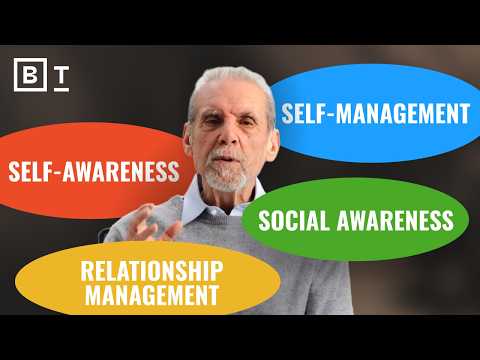
Ever had a moment where you just felt something deep inside, but couldn’t quite put it into words? Yeah, that’s emotional intelligence for you. It’s that ability to sense your own feelings and understand others’ too, like when your friend is upset but trying to play it cool.
Honestly, it can be a game-changer for your mental health. Imagine navigating life with a clearer understanding of your emotions and the emotions of those around you. Seriously, it helps in so many ways.
So let’s chat about how this whole emotional intelligence thing actually impacts our mental well-being. Trust me, it’s more important than you might think!
Mastering Emotional Balance: Techniques to Manage Intense Feelings
Mastering emotional balance is all about figuring out how to handle those intense feelings that pop up from time to time. You know, like when you’re stressed out or feeling super excited—emotions can be overwhelming sometimes. That’s where emotional intelligence comes in handy. It’s like having a toolkit for your feelings.
Emotional intelligence involves recognizing your emotions, understanding them, and managing your responses. It’s not just about being aware of how you feel; it’s also about controlling those feelings instead of letting them control you. You follow me?
One technique to manage intense feelings is through **mindfulness**. This isn’t just a buzzword; it’s seriously effective. Mindfulness helps you stay grounded in the present moment. When anxiety kicks in, take a breather and pay attention to your breathing or surroundings for a few minutes. It helps calm that storm inside.
Another great approach is practicing **self-compassion**. We can be our own worst critics, right? When you’re feeling down or upset, talk to yourself like you’d talk to a friend—kindly and supportively. Instead of saying, “I shouldn’t feel this way,” try “It’s okay to feel what I’m feeling.” This shift can be really healing.
Also, consider using the **“NAME IT TO TAME IT”** strategy. Seriously! When you recognize what you’re feeling—like “I’m really angry” or “I feel anxious”—you help yourself gain control over those emotions! Labeling them makes them less overwhelming and gives you some distance from the immediate intensity.
Journaling is another powerful tool—it doesn’t have to be fancy. Just write down what you’re feeling and why it might be happening. Putting pen to paper can clarify why you’re experiencing certain emotions and often brings some relief.
And hey, don’t underestimate the power of talking things out with someone who gets it—a buddy or a therapist can make all the difference! Sharing what you’re going through helps release some of that emotional pressure.
Finally, remember that physical activity isn’t just for keeping fit; it’s also fantastic for mental health! Whether it’s running, dancing, or even doing yoga at home—the endorphins released during exercise boost your mood real quick.
Incorporating these techniques into your life doesn’t happen overnight—it takes practice and patience with yourself! But slowly mastering emotional balance makes handling life’s ups and downs much smoother—and before long, you’ll find yourself soaring above those intense feelings instead of getting bogged down by them!
Effective Strategies to Mentally Numb Pain: A Guide to Emotional Resilience
Emotional Pain can be incredibly intense, often feeling overwhelming and hard to shake off. Like, let’s say you’ve just had a big falling-out with a friend or maybe you lost someone close to you. That emotional ache can be so real, sometimes it feels like it’s physically hurting too. So, how do you deal with that? One way is by building your emotional resilience.
To put it simply, emotional resilience is your ability to bounce back from tough situations. Think of it as your mental superpower for dealing with life’s curveballs. Here are some strategies that might help you develop that kind of grit:
- Acknowledge Your Feelings: It’s okay to feel bad sometimes. Accept those feelings instead of pushing them aside. Like when I went through a messy breakup; I gave myself time to cry and process everything.
- Practice Mindfulness: Being present can really help ground you. Just take a moment to breathe and notice what’s happening around you. You don’t have to fix everything right away.
- Connect with Others: Don’t underestimate the power of talking it out with friends or family. Sharing your thoughts can lighten the load, trust me.
- Challenge Negative Thoughts: When those pesky negative thoughts creep in, try flipping the script. For example, if you think “I’m not good enough,” remind yourself about times when you’ve succeeded or made people smile.
- Engage in Activities You Love: Do things that bring you joy! Even simple stuff like drawing or going for a walk can lift your spirits.
- Create a Routine: Having structure helps provide stability when life feels chaotic. Maybe set aside time each day for some self-care—whatever fills your cup!
It’s crucial to remember that building emotional resilience doesn’t happen overnight; it takes practice and consistency. Picture this: It’s like working out; at first, it’s tough, but over time, it gets easier and more rewarding.
Another key player in managing emotional pain is emotional intelligence. This means being aware of your emotions and understanding them better—basically knowing what you’re feeling and why you’re feeling that way! When you’re emotionally intelligent, you’re better equipped to handle stressful situations without getting swamped.
Having a solid grasp on your emotions actually feeds into your resilience too! Think of it as sharpening your tools before tackling a project—you wouldn’t go into battle without being prepared!
And look, it’s totally normal to have ups and downs on this journey toward resilience. Some days will feel tougher than others; that’s just life showing us its colors! But taking small steps every day will eventually help create a more balanced mindset.
So remember: It’s all about managing those tough feelings rather than numbing them out completely—though I get how tempting that might be sometimes! Each time you face these feelings head-on rather than shoving them under the rug makes you stronger for whatever comes next.
If ever things feel too heavy to carry alone—or if the strategies aren’t cutting it—don’t hesitate to reach out for help from professionals who specialize in mental health support. You deserve all the tools necessary to navigate through life’s wild ride.
Enhancing Mental Health: The Crucial Role of Emotional Intelligence Explained in Our PDF Guide
Emotional intelligence, or EI, is all about understanding, using, and managing our emotions in positive ways. It helps us communicate effectively, empathize with others, and navigate social complexities. Seriously, it’s like having a tool belt for your feelings!
When you think about mental health, emotional intelligence plays a crucial role. Here’s how:
- Self-awareness: This is the ability to recognize your own emotions. Ever had one of those days when you just *know* you’re cranky? That’s self-awareness! Understanding why you feel a certain way can help you address it.
- Self-regulation: Once you know what you’re feeling, the next step is managing it. Maybe you’ve had a tough day and are feeling overwhelmed. Instead of snapping at your friend, you take a moment to breathe and think about how best to respond. That’s self-regulation!
- Empathy: This isn’t just about feeling for someone; it’s about understanding their emotions too. Think of a time when a friend was down but didn’t say much—if you could sense their feelings and offered support without being asked, that’s empathy in action.
- Social skills: Building strong relationships relies on good communication and connection with others. If you can read the room well—like knowing when someone needs cheering up versus when they want space—you’re tapping into your EI!
- Motivation: Having emotional intelligence helps set and achieve personal goals. When you’re aware of what drives your feelings—like wanting to improve yourself—it makes the path clearer.
Let me give you an example from life: imagine Sarah, who constantly feels anxious before meeting new people. She starts practicing emotional intelligence by recognizing her anxiety (that self-awareness thing). Then she learns techniques to calm herself down before events (that’s self-regulation). As she develops empathy toward others who might feel nervous too, she finds it easier to strike up conversations! Pretty cool how that works together.
You know what else is interesting? Research suggests that people with higher emotional intelligence tend to have better mental health outcomes—they cope better with stress and have lower rates of anxiety and depression. In simple terms: understanding emotions makes life less chaotic.
So if you’re looking for ways to enhance your mental health, pay attention to your emotional intelligence! By fostering these skills in yourself—and maybe even encouraging friends or family to do the same—you can create healthier relationships and improve overall wellbeing.
Emotional intelligence isn’t just some fancy term; it’s real life stuff that affects how we feel every day! Whether you’re navigating work stress or personal challenges, EI gives you the tools to handle whatever comes at you.
You know, emotional intelligence isn’t just a fancy term tossed around in psychology classes. It’s actually this powerful tool that can really shape how you handle life’s ups and downs. Imagine you’re in a heated argument with a friend. Instead of just reacting based on anger, emotional intelligence lets you step back, recognize what you’re feeling, and figure out why. That little space of awareness can totally change the game.
I remember this time when I had a conflict with my best buddy. We were both super frustrated over some misunderstandings. At first, I just blurted out what was on my mind without thinking it through. But when I took a breath and tried to understand his side—like really listen instead of preparing my next comeback—things shifted. I was able to connect with him emotionally; we talked it out and ended up laughing about it later. Emotional intelligence made all the difference.
In terms of mental health, having strong emotional smarts means you’re better equipped to deal with stress, anxiety, or even depression. When you can identify your feelings—like knowing “Hey, I’m feeling really anxious right now” instead of just being in an anxious state—you’re more likely to take steps to manage those feelings.
But here’s the thing: emotional intelligence is like any other skill; it can be developed over time with practice and reflection. Think about journaling your feelings or even talking through things with someone you trust—it helps clarify what’s going on inside your head and heart.
Plus, it doesn’t just help you handle your stuff better; it also improves how you relate to others. Being able to empathize with someone else’s struggles creates deeper connections and support systems that are so crucial for good mental health.
So yeah, cultivating your emotional intelligence isn’t some fluffy concept—it’s a solid foundation for thriving in life and managing mental health challenges effectively.