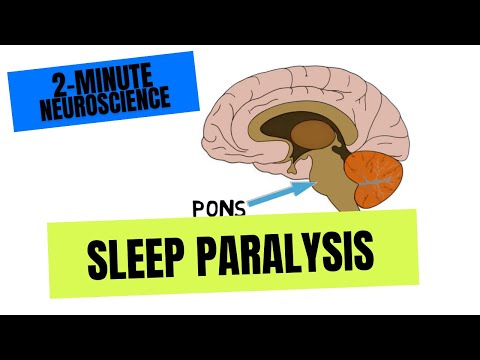
Have you ever woken up and felt, like, completely frozen? You’re awake, but your body just won’t cooperate. Yeah, that’s sleep paralysis.
It’s one of those spooky experiences that can leave you feeling totally freaked out. You might see shadows or hear whispers while you’re stuck there. Super unsettling, right?
What’s wild is that these moments can actually reveal a lot about what’s going on in your mind. The roots of sleep paralysis run deeper than you might think.
Let’s dig into it and figure out what triggers this eerie phenomenon and how it messes with our heads!
Understanding Sleep Paralysis Demons: Causes, Effects, and Coping Strategies
Oh man, sleep paralysis can be a real trip, right? Imagine this: you’re lying in bed, wide awake but totally unable to move. And then, out of nowhere, you see something creepy hanging around. It’s like a scene straight out of a horror movie! So let’s dig into the world of sleep paralysis demons and figure out what’s going on here.
First off, what exactly is sleep paralysis? Well, it’s that funky moment when you’re stuck between sleep and wakefulness. You might feel awake but can’t move or speak. And sometimes, people report seeing shadowy figures or feeling pressure on their chest. Seriously unsettling stuff!
Now, what causes this bizarre experience? There are a few factors at play here:
For me, I remember hearing my buddy talk about his own encounter with sleep paralysis. He described waking up one night and feeling this oppressive weight on his chest while seeing a dark figure at the foot of his bed. It felt so real to him; he thought he was being attacked!
But let’s break down those scary vibes you might experience during these episodes. People often report feelings of fear or dread. Like your heart is racing even though you’re not moving an inch! This emotional response is tied to our brain’s natural fight-or-flight reaction—it freaks out because it doesn’t know what’s happening.
Okay, so now that we’ve touched on the causes and effects, let’s chat about some coping strategies. There are definitely ways to manage and minimize the likelihood of experiencing sleep paralysis:
Imagine feeling empowered by knowing how to handle potential episodes instead of being caught off guard by terrifying shadows! It’s totally possible.
So yeah, if you’re facing these creepy encounters in the night, remember you’re not alone in this wild experience! By understanding what’s going on and using some effective coping strategies, you can take back control over your sleep life. Who knew that battling those “demons” could be both scary *and* manageable?
Understanding Sleep Paralysis: Can It Be Fatal?
Sleep paralysis can be a pretty freaky experience. You wake up in the middle of the night, but you can’t move. It feels like something’s holding you down, and your heart races. Sometimes you even see shadowy figures. Talk about terrifying, right? But here’s the thing: while it feels intense, sleep paralysis is not fatal.
So, what exactly is sleep paralysis? Well, it happens when your brain wakes up before your body does. Your mind is wide awake and active, but your muscles are still in that state of relaxation that keeps you from acting out your dreams. It often happens during transitions between sleeping and waking—like when you’re falling asleep or just waking up.
The psychological roots of sleep paralysis can be linked to stress, anxiety, and sleep deprivation. If you’re experiencing high levels of stress or have an irregular sleep schedule, it might increase the likelihood of these episodes. Imagine having a big presentation the next day or juggling personal issues; those worries may follow you into your dreams.
Now, let’s touch on some common myths around this phenomenon. A lot of people believe that sleep paralysis can lead to death or serious harm. Not true! It’s uncomfortable and scary but not dangerous in any way—your body eventually catches up with your brain, and you’ll regain movement.
But if it’s so harmless, why do so many folks freak out about it? Well, part of it comes from how our culture has depicted these experiences over time–like they’re connected to supernatural forces or demons sitting on your chest (thanks folklore!). This only heightens the fear factor when it happens.
Anecdotally speaking, I remember hearing a friend describe their first experience with sleep paralysis. They woke up unable to move and thought they saw a ghostly figure at the foot of their bed! They were convinced they were being haunted! But after doing some reading on it together, they realized it was just their mind playing tricks during a vulnerable moment.
Understanding Sleep Paralysis: Key Causes and Insights into This Disturbing Experience
Sleep paralysis, huh? That thing where you wake up and can’t move? It’s honestly a wild experience, but let’s break it down together. You’re not alone in feeling freaked out by it. A lot of people go through this. It can feel like you’re stuck in a nightmare while being wide awake!
What is sleep paralysis? Picture this: you’re lying in bed, feeling totally awake, but your body just won’t cooperate. You can’t move or speak! This usually lasts only a few seconds to a couple of minutes but trust me, it feels way longer when you’re going through it.
Now, what causes this creepy condition? Well, there are a few key factors that come into play:
- Sleep deprivation: If you’re not getting enough sleep, your body gets all out of whack. Lack of rest can trigger episodes.
- Sleep disorders: Conditions like narcolepsy and insomnia are big players here. They mix things up in your sleep cycle.
- Stress and anxiety: Seriously, stress can do some nasty things to our minds & bodies. High stress levels can lead to more frequent episodes.
- Body position: Some folks report experiencing sleep paralysis more often when they sleep on their backs. So if that’s how you roll at night, maybe consider switching it up.
Still with me? Good! So what’s actually happening when you experience sleep paralysis? Your brain wakes up while your body stays in a paralyzed state, which is something our bodies do naturally during REM (Rapid Eye Movement) sleep to prevent us from acting out our dreams. When this mechanism goes awry—bam!—you end up stuck between being awake and asleep.
And let’s talk about the psychological side too because it plays a big role. People who’ve had trauma or have high anxiety levels seem to be more prone to these episodes. Imagine being stressed about life or work and then having this happen on top of it—it’s like adding fuel to the fire.
But wait—it gets weirder! Some people experience hallucinations during these episodes; they might see shadows or feel a presence in the room with them. Like one time my buddy told me he thought someone was sitting on his chest! Scary stuff right there.
So what does this mean for you if it’s something you’ve faced? Understanding that it’s common and mostly harmless is crucial. Just knowing you’re not alone in experiencing this can take away some fear and anxiety surrounding those moments.
To sum things up: sleep paralysis is basically your brain waking up before your body does, often fueled by lack of sleep or stress. While it can lead to some unsettling experiences—like hallucinations—it’s generally temporary and nothing bad will come from it.
If this keeps happening though, chatting with someone who knows their stuff about mental health or sleep disorders might just help ease those worries down the line.
You know, sleep paralysis can be a really spooky experience. It’s like you’re awake but your body just won’t budge. So, why does this happen? Well, it turns out there are some psychological roots to it that could give us a better idea of what’s going on.
Basically, when you hit the sack, your brain goes through different stages of sleep—some are light and others are deep. Sleep paralysis usually happens during that transition phase between being awake and asleep. It’s not just about your body being still; it’s about the mind being alert while the body is in a sort of shutdown mode. Sometimes, stress or anxiety can crank up the chances of this happening. Like, if you’re feeling overwhelmed in life—whether it’s work, school, or personal problems—your sleep can take a hit too.
I remember my friend Sam once told me about his first encounter with sleep paralysis. He was just lying there one night when he suddenly couldn’t move. He felt this heavy weight pressing down on his chest and saw a shadowy figure at the foot of his bed (super creepy stuff!). Afterward, he was scared to go back to sleep for days. That whole experience really shook him up and left him anxious about bedtime.
The effects go beyond just that moment of fright. People often feel drained afterwards, both physically and emotionally. Some even develop a kind of fear around sleep itself, worrying they’ll have another episode or start to associate bedtime with panic.
Interestingly enough, studies suggest that people who have anxiety disorders or PTSD are more likely to experience sleep paralysis—probably because their minds are racing even when they’re trying to rest! So it becomes this vicious cycle: anxiety keeps you from sleeping well; bad sleep contributes to more anxiety.
But here’s where things get hopeful: understanding these psychological aspects can help folks deal with sleep paralysis better. Therapy techniques like cognitive behavioral therapy (CBT) can bring some relief by targeting negative thoughts and feelings associated with sleep issues.
So if you ever find yourself facing those night-time fears—or if someone you know is grappling with it—it’s good to remember that you’re not alone in this struggle! There are ways to address it that go beyond turning off the lights and holding your breath under the covers.