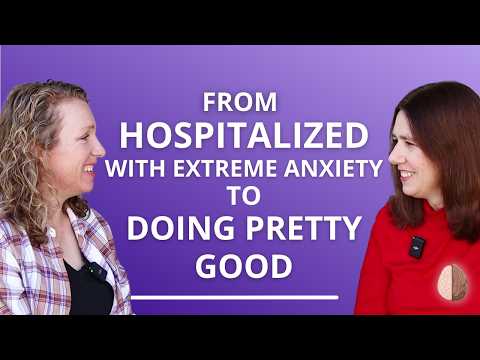
You know that feeling when your heart races, and it’s like you can’t catch your breath? Yeah, that’s anxiety creeping in, and it can be a real pain.
It’s not just about the nerves before a big presentation or a tough conversation. Sometimes, it feels like you’re trapped inside your own head.
But hey, here’s the good news: there are ways to tackle it. You don’t have to face this alone!
So let’s chat about some pathways that can help you find relief and healing from all that stress. Seriously, it may not be easy, but it’s totally possible.
Quick and Effective Strategies to Instantly Reduce Anxiety Symptoms
Alright, let’s talk about anxiety and how to tackle it when it’s feeling like a heavyweight on your chest. Seriously, anxiety can be a total buzzkill. You might feel your heart racing, or maybe your thoughts are all over the place. But there are some quick and effective strategies you can use to reduce those symptoms almost immediately.
First up, breathing exercises. You might have heard of them, but they really work! When you’re anxious, your breathing often becomes shallow. Try this: inhale deeply through your nose for a count of four, hold that breath for four counts, then exhale through your mouth for six counts. Repeat that a few times. It’s like hitting the reset button on your nervous system.
Next on the list is grounding techniques. These help bring you back to the present moment—something so simple yet powerful. One technique is the 5-4-3-2-1 exercise:
- 5: Name five things you can see around you.
- 4: Identify four things you can touch.
- 3: Listen for three sounds nearby.
- 2: Smell two scents in the air.
- 1: Name one thing you can taste right now (maybe it’s just that lingering coffee!).
This helps anchor you in reality instead of letting those anxious thoughts take over.
Meditation or mindfulness practices also deserve a shout-out. Even five minutes can make a difference. Just find a quiet space, close your eyes, and focus on letting thoughts come and go without judgment. It’s like giving yourself permission to just *be* for a bit.
If you’re ever feeling super overwhelmed, try to change up your environment. Sometimes just stepping outside for fresh air—or even just to look at trees—can make everything feel less constricted and more open again. Seriously! Nature has this calming effect that’s hard to beat.
Another approach is physical activity. Get moving! Whether it’s doing jumping jacks in your living room or going for a brisk walk around the block, moving your body releases those feel-good endorphins that lift your mood and reduce anxiety levels.
If you’re feeling bold, try laughing! Watch a funny video or think of that goofy moment with friends. Laughter has this magical way of easing tension and brightening up even the gloomiest feelings!
Lastly, keep in mind that talking it out helps too—whether with friends or even journaling what’s swirling around in your head. Just getting those feelings out on paper can sometimes lighten the load quite a bit!
Anxiety doesn’t have to run the show every time it pops up; these strategies offer pathways toward relief and healing when things get intense. Experiment with what works best for you—you got this!
Effective Strategies for Managing Anxiety When You’re Alone
Managing anxiety when you’re alone can feel like an uphill battle. It’s tough, right? Sometimes just sitting with your thoughts can feel overwhelming. So, let’s break down some effective strategies.
1. Grounding Techniques
Grounding techniques can pull you back into the present moment. Try focusing on your surroundings or engaging your senses. For example, you could describe the colors around you or notice the texture of an object nearby. Simple but powerful!
2. Deep Breathing
Breathing exercises work wonders for calming those racing thoughts. Breathe in deeply through your nose, hold it for a second, then slowly release through your mouth. Repeat this several times to help ease tension.
3. Create a Comfort Space
Having a designated area where you feel safe and at peace is super helpful. Make it cozy with some pillows, a soft blanket, or even some fairy lights if that’s your vibe! When anxiety hits, retreat to this spot.
4. Use Positive Affirmations
Positive self-talk can be a game changer! Tell yourself things like “I am safe” or “This feeling will pass.” It’s about reassuring yourself that you’re in control.
5. Engage in Activities
Finding something to occupy your mind can be great for managing anxiety alone. Read a book, pick up an art project, or watch a favorite show—whatever makes you happy! This distracts from anxious feelings and gives you something positive to focus on.
6. Reach Out Virtually
Even when you’re alone physically, connection matters! Text or call someone who gets what you’re going through—a close friend or family member can do wonders for your mood.
7. Mindfulness Meditation
Mindfulness helps anchor you and brings awareness to the present moment without judgment—simply observing thoughts as they come and go without getting swept away by them can be really freeing!
And here’s a little personal story: I remember one particularly tough night when anxiety hit me out of nowhere while I was home alone—it felt like the walls were closing in! But then I remembered my grounding technique; I focused on counting each step as I walked around my room and describing everything I saw in detail: my desk lamp’s glow, the smell of my favorite candle burning—it totally shifted my mindset from panic mode to calmness!
So yeah, dealing with anxiety when you’re on your own doesn’t have to feel impossible! Give these strategies a shot—find what works best for you—and take it one day at a time, because seriously? You’re stronger than those anxious feelings may lead you to believe.
Effective Strategies to Overcome Anxiety Thoughts and Find Inner Peace
So, let’s talk about anxiety thoughts, because they can be a real pain in the neck, right? It’s like your brain’s stuck on a loop, playing the worst hits of «What If?» and «I Can’t.» But don’t worry—there are ways to break that cycle and find some peace.
Understanding Anxiety Thoughts
First off, it helps to know what you’re dealing with. Anxiety thoughts can be those nagging worries or catastrophic predictions that pop up at the worst times. You might think about failing an exam, ruining an important meeting, or even just feeling like everything’s out of control. These thoughts are often exaggerated and don’t reflect reality. They’re like the annoying friend who always predicts the worst-case scenario.
Grounding Techniques
One effective strategy is grounding techniques. These help you stay connected to the present moment instead of spiraling into anxious thoughts. Try this: focus on your surroundings using your senses. What do you see? Hear? Smell? Touch? This little exercise pulls your mind out of that anxiety whirlpool and back into reality.
Challenge Your Thoughts
Another great approach is challenging those pesky thoughts. When anxiety kicks in, ask yourself: “Is this thought true?” For example, if you think, “I’m going to fail,” flip it around. Instead say something like: “I’ve prepared well; I can handle this.” It feels a bit silly at first, but over time it helps reshape how you view difficult situations.
Breathe Deeply
Don’t underestimate the power of your breath! Seriously! Deep breathing exercises can calm your nervous system and reduce anxiety. Try inhaling slowly through your nose for a count of four, holding for four counts, then exhaling through your mouth for another four counts. Repeat this several times—before long, you’ll feel more relaxed.
Mindfulness Meditation
Mindfulness meditation is another effective strategy to consider. It’s kind of like exercising for your brain! Spend just 5-10 minutes each day focusing on being present and observing your thoughts without judgment. You might even find apps that guide you through it if you’re unsure where to begin.
Mood Tracking
Keeping a mood journal also can put things into perspective. Jot down when you’re feeling anxious—what triggered it and how strong the feeling was on a scale from 1-10. Over time you’ll notice patterns emerge which could help identify situations or triggers that ramp up your anxiety.
Social Support
And let’s not forget about social support! Talking things out with friends or family can lighten the load. They can offer another viewpoint or simply listen while you vent about how stressful life feels sometimes.
Remember too that it’s completely okay to seek professional help if things get too overwhelming—it doesn’t make you weak; it makes you smart! Therapies such as Cognitive Behavioral Therapy (CBT) have proven really effective in working through these kinds of unhelpful thought patterns.
Finding inner peace from extreme anxiety takes time and effort; it’s not going to happen overnight but seriously pursuing these strategies could lead you down a much healthier path eventually where those anxious thoughts don’t hold so much power anymore! Keep at it; you’ve got this!
So, anxiety can be a real monster, right? I mean, it sneaks up on you like it owns the place. You could be chillin’, maybe watching a funny show or just hanging out with friends, and then boom! Suddenly you’re caught in a tornado of panic and racing thoughts. I remember one time, I was supposed to go out for dinner with some friends. Just the thought of being in a crowded restaurant had my heart racing and palms sweating like crazy. I was ready to bail and hide under my blanket.
Coping with that kind of extreme anxiety is tough. You’ve probably felt it too—like you’re on the edge of a cliff, and any little thing could send you crashing down. But there are ways to find your balance again, even when everything feels chaotic inside.
First off, breathing exercises are often mentioned as if they have some sort of magic wand effect. And honestly? They can help. When you focus on your breath—like taking deep inhales and slow exhales—it reminds your body that it’s safe, even if your mind is in full panic mode.
Then there’s talking it out with someone who gets it—a friend or therapist can make such a difference. Just voicing those swirling thoughts can be so freeing; it’s like pouring out all the paint from an overly stuffed tube. So much better when it’s out there instead of all bottled up!
And hey, don’t sleep on mindfulness either! Seriously! Just checking in with yourself through simple meditation or grounding techniques can re-center you when anxiety feels like it’s taking the wheel.
But here’s the thing: healing from extreme anxiety isn’t just about finding quick relief; it’s also about compassion for yourself during those tougher moments. That’s huge! It’s okay to feel overwhelmed sometimes; it’s part of being human.
You know what? Looking back at those moments where I felt utterly paralyzed by anxiety made me realize something important: every step—no matter how small—is progress. It takes time to figure out what works best for you in managing that anxious energy.
So if you’re dealing with this too, hang in there! Remember that relief is possible—you’re not alone in this battle—and every tiny victory counts! You’ve got this!