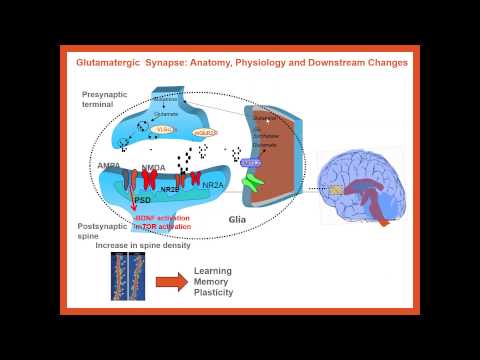
It’s tough to describe what extreme depression feels like, right? Like, one minute you’re just dragging yourself through the day, and the next, it’s like a weight that pulls you down deeper and deeper.
But hey, there’s hope. Seriously! There are some pretty transformative approaches out there that go beyond the usual meds and therapy chats.
Imagine discovering new ways to lift that heavy fog. Methods that make you feel more like yourself again. It’s not magic, but it can feel like it when things start turning around.
So come on! Let’s chat about these game-changers in extreme depression treatment. You’re not alone in this journey, and together we can explore some light at the end of that tunnel.
Exploring the Most Effective Treatments for Severe Depression: A Comprehensive Guide
Sure, let’s break down the whole severe depression treatment thing. You know, severe depression can feel like you’re stuck in a really dark place, and finding the right treatment can feel just as overwhelming. But there’s hope! Here are some of the most effective treatments out there.
Psychotherapy is often a cornerstone for treating severe depression. Basically, it’s you talking to a professional who helps you work through your feelings and thoughts. There are different types:
- Cognitive Behavioral Therapy (CBT): This one focuses on changing negative thought patterns. Like, if you always think “I’m worthless,” CBT helps you challenge that.
- Interpersonal Therapy (IPT): If your relationships are affecting your mood, IPT targets those issues to help improve your interactions.
- Dialectical Behavior Therapy (DBT): Originally designed for borderline personality disorder, DBT can really help with emotional regulation and coping strategies.
Many people find these therapies productive—seriously, they can be game changers.
Now, let’s talk meds. Antidepressants can play a significant role in managing symptoms. They don’t work for everyone, but when they do, it’s like kicking down the door on that darkness. Here’s a quick rundown of common types:
- Selective Serotonin Reuptake Inhibitors (SSRIs): These help boost serotonin levels—think happy brain chemicals.
- SNRIs: Similar to SSRIs but also target norepinephrine, another important neurotransmitter.
- Atypical antidepressants: These don’t fit neatly into other categories and have unique mechanisms. Sometimes they’re just what someone needs!
But medication isn’t magic—it can take time to find what’s right for you.
Another approach is Electroconvulsive Therapy (ECT). Yeah, I know it sounds intense! But ECT is highly effective for some people with severe depression who haven’t had luck with other treatments. It works by sending small electric currents through the brain to trigger a brief seizure; this actually brings about changes in brain chemistry that can alleviate symptoms.
Then there’s Transcranial Magnetic Stimulation (TMS). It uses magnetic fields to stimulate nerve cells in the brain—specifically those areas involved in mood regulation. Patients usually sit in a chair while an electromagnetic coil is placed near their head—you could say it’s like getting a little tune-up for your mood!
And let’s not forget lifestyle changes! Sometimes simple things make a world of difference:
- Exercise: Seriously! Getting up and moving releases those feel-good endorphins.
- Nutritional support: Eating well can substantially affect your mental health; think of food as fuel!
- Mindfulness & Meditation: These practices help center your mind and reduce anxiety—easy enough to blend into daily routines.
Remember my friend who struggled with severe depression? With therapy and consistent exercise habits over several months, they really turned things around. It wasn’t easy or quick but getting support made all the difference.
Every person is different; what works like magic for one might not do as much for another—so keep pushing forward until you find what clicks!
Exploring Alternative Treatments for Severe Depression: Options When Traditional Methods Fail
When traditional treatments for severe depression just don’t hit the mark, it can feel like you’re in a really tough spot. You might’ve tried therapy and medications, but maybe you’re still feeling down. That’s where alternative treatments come in. They can be like a fresh breeze on a sweltering day—sometimes, you just need another way to tackle the issue.
One option that’s been gaining traction is Transcranial Magnetic Stimulation (TMS). It’s a non-invasive procedure that uses magnetic fields to stimulate nerve cells in your brain. Imagine giving your brain a little wake-up call! While it doesn’t work for everyone, many people find it helpful when other methods fall short.
Another intriguing option is Ketamine Therapy. Originally used as an anesthetic, ketamine has shown promise in treating severe depression quickly. Unlike typical antidepressants that take weeks to kick in, some folks experience relief within hours! It’s usually administered under strict supervision because of its potential side effects.
Then you have Psychedelic-Assisted Therapy. This isn’t just about having a trippy experience; it can help people think differently about their struggles. Substances like psilocybin and MDMA have been studied for their potential antidepressant effects and might lead to breakthroughs that traditional treatments couldn’t achieve alone.
Don’t overlook mindfulness practices, either! Techniques like meditation and yoga can seem simple but have profound effects on mental health. They help anchor you in the present moment and foster self-compassion—trust me when I say these practices have changed lives.
Sometimes it’s also about nutrition. A balanced diet plays a crucial role in your mental health. Some evidence suggests certain nutrients can impact mood regulation. So yeah, focusing on what you eat might actually make a difference!
And let’s not forget about support networks. Connecting with others who’ve been through similar experiences can provide solace and understanding that’s hard to find elsewhere. Support groups make it easier to share feelings or learn from one another.
Of course, each person’s journey is unique; what works for one may not work for another. It’s essential to keep the conversation open with your doctor about any new approaches you’re interested in trying.
In short, when traditional methods fail, there are several alternative treatments available that could potentially lighten that heavy load of severe depression. With options ranging from TMS to mindfulness practices, there’s hope for finding something that clicks with you!
Exploring Holistic Approaches to Effective Depression Treatment: A Comprehensive Guide
So, you’re curious about holistic approaches to treating depression, huh? Well, let’s unpack this together.
Holistic treatment is all about looking at the whole person—mind, body, and spirit. It’s like taking a step back and saying, «Okay, what else is going on here besides just feeling low?» Here are some key ideas to consider:
1. Mindfulness and Meditation
Mindfulness practices are huge when it comes to tackling depression. Seriously, just taking a few minutes each day to meditate can help you become more aware of your thoughts and feelings without judgment. You might notice that this helps reduce that heavy feeling of sadness or anxiety over time.
2. Nutrition
What you eat has a major impact on your mood! Foods rich in Omega-3 fatty acids (like salmon) or antioxidants (like berries) can seriously play a role in how you’re feeling. Imagine fueling your body with stuff that makes it happy instead of dragging you down.
3. Exercise
You could think exercise is just for getting fit or burning calories, right? But when it comes to depression, moving your body releases those feel-good chemicals called endorphins. Even a short walk can lift your spirits—trust me on this one!
4. Nature Therapy
Spending time outdoors can work wonders too! Just being around trees and fresh air can really shift your mood. Maybe plan a weekend hike or simply sit in a park if the idea of hiking feels like too much right now.
5. Yoga and Tai Chi
These practices combine movement with mindfulness—they’re like hitting two birds with one stone! A gentle flow or tai chi session can promote relaxation while helping you connect with yourself physically.
6. Social Support
Talk about being human for a sec: we’re social beings! Connecting with friends or family members can provide comfort during tough times. Even grabbing coffee with someone who gets where you’re coming from might lighten the load.
7. Creativity
Engaging in creative activities like art, music, or writing isn’t just fun; it’s therapeutic too! Expressing yourself creatively allows you to process emotions in ways talking sometimes can’t.
Now, I should mention that these holistic methods work best alongside traditional treatments like therapy and possibly medication if needed—it’s not an either/or situation here!
So imagine someone named Sarah who felt trapped in her own mind due to severe depression. She started walking every morning while listening to her favorite music; slowly but surely, she found herself smiling more often! It wasn’t overnight magic but rather those little steps she took toward wellness made a world of difference.
Overall, if you’re feeling stuck, exploring these holistic approaches might be just what the doctor ordered—literally! It’s all about finding what resonates with you and complements any other treatment you’re pursuing. Remember that everyone’s journey is unique; what works for one person might not be the ticket for another—be patient with yourself!
If you’re ready to make some changes but unsure where to start? Consider chatting with a professional who gets this whole holistic thing; they could help tailor something just for you!
Extreme depression can feel like a black hole, sucking all the light and joy out of your life. I remember a friend of mine, let’s call him Jake. One day he seemed fine, you know? Then, suddenly, he was spiraling into this deep pit. It was heartbreaking to watch him go through that—like there was a glass wall between us.
Anyway, when it comes to treating extreme depression, not all approaches work for everyone. Traditional methods like medications and talk therapy are essential, but sometimes they need a little boost from something different. Enter those transformative approaches—that’s the cool stuff that gets creative with treatment.
For some people, art therapy is a game changer. I mean, think about it: expressing feelings through painting or music can help release emotions trapped inside. It’s like providing an outlet for all those heavy thoughts when words just don’t cut it.
Then there’s experiential therapy—you know, where you get to go outside and do something physical? Hiking or even just spending time in nature can shift your mood dramatically. Jake found solace in hiking; he told me it felt like nature was healing him little by little.
And oh man, let’s not forget mindfulness practices! You might roll your eyes at meditation and yoga because they’re everywhere now, but seriously—even just taking five minutes to breathe deeply can ground you in moments of chaos. Jake started focusing on his breath during panic attacks; it helped calm that storm inside his head.
There are also newer treatments like ketamine therapy making headlines lately. *Some* folks have found it transformational when conventional meds haven’t done the trick after trying everything under the sun—a glimmer of hope where there seemed to be none!
But here’s the thing: change takes time—sometimes lots of time—and what works for one person may not resonate with another. That journey is unique for everyone; there’s no one-size-fits-all magic wand out there.
When tackling extreme depression, being open to different approaches can lead you down unexpected paths toward recovery—and every step counts! If you’re feeling stuck in that black hole or know someone who is, sometimes looking outside traditional treatments may just be what you need to start seeing some light again!