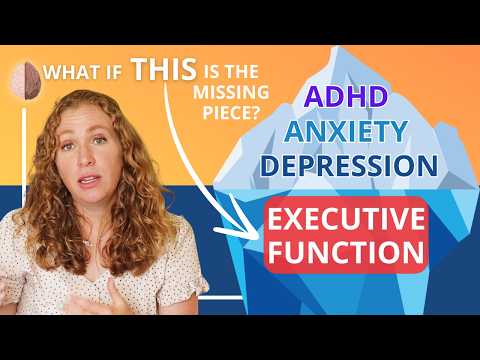
You know those days when getting out of bed feels like climbing a mountain?
Yeah, we’ve all been there.
Extreme executive dysfunction can make life feel like it’s blocking you at every turn.
Like, you want to achieve things but your brain just won’t cooperate.
It’s frustrating, exhausting, and kinda scary.
I mean, how do you even manage simple tasks when everything feels heavy?
Let’s chat about it.
Understanding Executive Dysfunction: Take the Test to Assess Your Cognitive Challenges
Executive dysfunction is one of those terms that might sound super technical, but it’s just a fancy way to describe when your brain struggles to manage tasks, plans, or even emotions. You know how sometimes you sit down to work on something and can’t focus, or feel overwhelmed by basic stuff? That’s probably your executive functions acting up.
So what exactly are these executive functions? They’re like the air traffic controllers of your brain. They help with planning, organization, decision-making, and regulating emotions. If these functions are not working right, you could feel like you’re stuck in a fog.
Taking a test to assess cognitive challenges related to executive dysfunction can shine some light on what’s going on in your head. There are several self-assessment tools available. These tests typically ask about daily tasks and how tough they are for you. Do you forget appointments? Have trouble starting projects? Feel easily distracted? These questions help pinpoint where you’re struggling.
Here’s what you might see in one of those assessments:
- Difficulty starting tasks: Does the thought of starting something make you freeze up?
- Poor time management: Do you often find yourself running late or misjudging how long things will take?
- Forgetfulness: Are basic tasks slipping your mind, like picking up groceries or returning calls?
- Emotional regulation: Do small annoyances turn into major meltdowns for no apparent reason?
You might relate to this if you’ve ever been so stressed about getting organized that it makes you want to crawl under the bed and hide. That’s a sign! It can feel lonely too—like everyone else has it together while you’re battling through simple decisions every day.
If after taking a test you realize that executive dysfunction is impacting your life significantly, don’t hesitate to seek help. Therapy options can provide valuable strategies tailored just for your needs. Cognitive Behavioral Therapy (CBT), for instance, helps people restructure their thoughts which can ease the whole “I can’t do this” feeling that comes with executive dysfunction.
In short, acknowledging this struggle is the first step towards managing it better. You’ve got more control over your brain than it feels like sometimes! Remember: understanding what’s going on inside is key to making positive changes outside. Whether it’s through self-help methods or professional support, tackling executive dysfunction is totally doable!
Effective Strategies for Overcoming Executive Dysfunction: Insights from Reddit Users
Executive dysfunction can feel like trying to move through molasses. It’s that nagging inability to get started on tasks, stay organized, or juggle responsibilities. If you’ve ever found yourself staring at a to-do list that feels like it’s written in a foreign language, you’re not alone. A lot of people on Reddit share their struggles and strategies for dealing with executive dysfunction, and it’s eye-opening.
First off, breaking tasks into smaller steps is super helpful. You know how daunting it can be to look at an entire project? Instead of thinking about it as one huge monster, divide it into bite-sized pieces. For instance, if you need to clean your room, focus on one corner at a time. This makes things feel manageable.
Another popular pick is using visual reminders. Sticky notes can be your best friend! You might want to slap one on your bathroom mirror that says “Don’t forget your meds!” or place another near the front door for that last-minute reminder to grab your keys. These little nudges can keep you on track.
Setting up a consistent routine also works wonders. Routines create a sense of normalcy and predictability when everything else feels chaotic. Maybe try getting up at the same time every day or designating certain blocks of time for specific activities—like homework or chores. It’s kind of like telling your brain when it’s “go time.”
Along with that, many Reddit users talk about the importance of accountability partners. Having someone you trust check in with you can give you that extra push. Maybe it’s a friend or family member who understands what you’re going through; they’ll encourage you to tackle those tasks together.
Don’t overlook apps and tools, either! There are so many out there designed specifically to help with organization and planning. Task managers or timers can be lifesavers here—like using Pomodoro timers where you work for 25 minutes then take a short break. It breaks up long stretches into more digestible bits!
And hey, let’s not forget about self-care and giving yourself some grace! Redditors often emphasize this point—being kind to yourself is crucial when dealing with executive dysfunction. It’s okay if things don’t always go as planned; celebrate the small victories instead! Did you manage to do one thing from your list? High five yourself!
Lastly, experimenting with different strategies is key here too because what works for one person might not fit another’s style, right? The beauty of sharing experiences on platforms like Reddit is realizing there are countless ways people tackle these challenges.
So yeah, executive dysfunction can feel heavy sometimes but knowing that you’re not alone—and finding what methods resonate with you—can make all the difference in navigating life’s little hurdles!
Overcoming Executive Dysfunction: Strategies to Reclaim Your Life and Well-Being
Executive dysfunction can be a real bear to deal with. It’s like your brain is stuck in slow motion or just can’t find the right gear. You know? Everyday tasks like planning, organizing, or even just starting a project can feel overwhelming. But don’t throw in the towel! There are ways to work through it and regain that sense of control you want in your life.
First up, let’s chat about **breaking tasks into smaller chunks**. When something feels huge—like cleaning out that cluttered garage—your brain may just shut down. Instead of thinking about the whole job, focus on one small part. Maybe start with just sorting one box. Once you tackle that, move on to another small task. You’ll be amazed at how much progress you can make without feeling crushed by the enormity of it all.
Another great strategy is using **timers**. Seriously, these little guys can work wonders! Try setting a timer for 15 or 20 minutes and commit to working on a task until it goes off. You might find that having a deadline—even if it’s short—can help kickstart your motivation. And once the timer goes off? If you’re in the groove, keep going! If not, take a break and try again later.
Then there’s the power of **visual reminders**. Sticky notes are your friends! Write down things you need to do or things that inspire you and stick them where you’ll see them daily—like on your bathroom mirror or computer screen. This sort of visual cue can help keep those priorities fresh in your mind when distractions pop up.
Another trick is developing a **daily routine**. This doesn’t have to be rigid or boring; just having some structure can really help guide you through the day. Maybe wake up at the same time each morning, have set meal times, and designate specific periods for work or hobbies. Just knowing what comes next might ease some of that executive dysfunction pressure.
You might also want to consider **accountability buddies**—friends or family who check in on you regularly about tasks you’re working on can make a world of difference! It’s like having a workout partner but for getting stuff done around life instead! Just knowing someone else is rooting for you may give that little nudge when you’re stuck staring at that long list of ‘to-dos’.
And let’s not forget self-care! Seriously, take care of yourself: get enough sleep, eat right (yeah, those cheesy snacks are tempting but maybe try an apple now and then), and don’t skimp on some downtime. When your mind and body feel good overall, tackling executive function challenges gets easier.
Lastly—and this one’s super important—be kind to yourself through all this! Executive dysfunction isn’t your fault; it’s a real struggle many people face every day. Celebrate even small wins along the way because every step counts towards reclaiming your life and well-being.
In wrapping this all up: overcoming executive dysfunction isn’t impossible—it just takes practice and patience. So grab those sticky notes and timers and start making small changes today! You’ve got this!
You know, life with extreme executive dysfunction can feel like trying to drive a car that just won’t start. You’ve got the engine, the wheels—everything’s there—but something’s off and you just can’t get moving. It sneaks up on you, like you wake up one day and suddenly those simple tasks—the ones everyone else seems to glide through—become mountains to climb.
I remember this one time, I had an important project due. Everybody was counting on me. But instead of actually working on it, I found myself scrolling through my phone for hours, staring blankly at the screen like it had some secret message. The clock was ticking, and instead of churning out ideas, I ended up binging a show I’d already seen twice. Crazy right? But that’s exactly what executive dysfunction does. It throws a wrench in your plans and leaves you feeling lost.
You see, executive dysfunction isn’t just procrastination or being lazy; it’s more about how your brain manages tasks and priorities. It affects focus, planning, time management—you name it. Like trying to open a jar that’s sealed tight; even if you have all the strength in the world, sometimes it feels impossible.
And then there’s the emotional side of things—guilt can really be a heavy blanket to carry around. After all those promising intentions to get things done? They pile up like dirty laundry. You keep thinking about how others seem to juggle everything so effortlessly while you’re stuck in your own mental traffic jam.
But let’s not forget there are ways to navigate through this mess! Finding your personal rhythm can help tremendously. Maybe it’s breaking big tasks into bite-sized pieces or using timers to stay focused for short bursts; trust me when I say those little wins matter.
Talking about this stuff helps too—like sharing with friends who get what you’re dealing with can lighten that load. You realize you’re not alone on this ride; there are folks out there navigating similar bumpy roads.
So yeah, getting through life with extreme executive dysfunction is no walk in the park—it can feel daunting at times—but figuring out what strategies work for you makes all the difference in finding ways forward together.