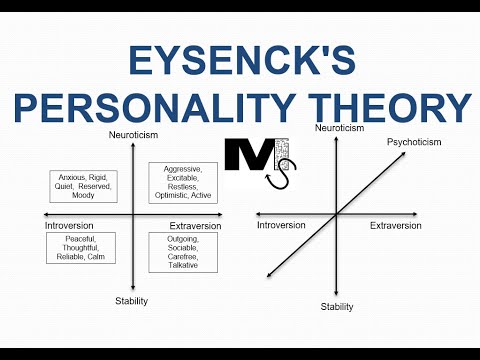
You know how everyone’s got their quirks? Some folks are super outgoing while others are more reserved, right? Well, there’s this old-school psychologist, Hans Eysenck, who had some pretty cool ideas about why we’re all so different.
He came up with a personality model that basically tries to explain our behavior. It’s not just academic mumbo jumbo; it can actually give us insights into mental health.
Like, if you understand your traits a bit better, you might figure out why you feel the way you do sometimes. So, let’s break down this model and see what it means for us in real life. Trust me; it’s gonna be eye-opening!
Eysenck’s Insights: Evaluating the Effectiveness of Psychotherapy
Eysenck had some pretty interesting ideas about psychotherapy, and you know—he didn’t hold back. His main argument was that a lot of therapies out there just weren’t effective. He really pushed people to question what we thought we knew about psychological treatment.
First off, Eysenck believed in measuring outcomes. He thought that if we’re gonna say therapy works, we better have some solid proof behind it. So, he advocated for research and statistics in psychology, which is honestly super important because numbers don’t lie!
In his view, any improvement in mental health could often be attributed to natural recovery rather than therapy itself. This was kind of a big deal back in the day! He pointed out that many people get better over time without any intervention at all.
Eysenck pointed to studies, showing that about 66% of patients improved without therapy—now that’s hard to ignore! When you put that next to traditional therapeutic approaches, he raised eyebrows and challenged the status quo.
But here’s where it gets even more interesting: Eysenck didn’t think all types of therapy were created equal. He had a preference for certain styles—like cognitive-behavioral therapy (CBT). But even with CBT, he said we had to watch for the hype; just because something is popular doesn’t mean it’s the best option.
Another thing: his personality model played a role here too. You see, Eysenck thought personality traits (like being introverted or extroverted) influenced how well someone responds to different therapies. So if you’re super anxious but also open-minded, your experience might differ from someone who’s more closed off.
The takeaway? Eysenck seriously pushed for evidence-based practices but also nudged us toward being more versatile in our approach based on individual traits and situations. It makes sense when you think about it; one-size-fits-all doesn’t really work when it comes to mental health.
He basically opened up this conversation about what’s effective in psychotherapy and who benefits the most from it. So his insights? They’re still relevant today as we keep trying to figure out how best to help people heal mentally and emotionally!
Understanding Eysenck’s Personality Theory: Key Insights into Human Behavior
Eysenck’s Personality Theory is pretty fascinating when you think about it. Basically, it’s a way of looking at human behavior that breaks things down into a few simple categories. This theory was developed by Hans Eysenck, a British psychologist who believed that personality could be measured through a combination of traits.
Two main dimensions are at the heart of this model: **extraversion-introversion** and **neuroticism-stability**. These dimensions help us to understand why people act the way they do.
So, here’s how it works: Extraversion relates to how much you enjoy socializing and being around others. Extraverts are often energized by social interactions, while introverts might feel drained and need alone time to recharge. Imagine someone who thrives at parties—like your friend who never runs out of stories versus your quiet buddy who prefers cozy movie nights.
Then there’s neuroticism, which is about emotional stability. If you’re high on this scale, you might experience mood swings or anxiety more frequently. On the flip side, those low in neuroticism are usually more emotionally stable, handling stress better without getting easily overwhelmed.
Here’s where it gets interesting: Eysenck combined these two dimensions into a four-quadrant model:
- Extraverted-Stable: Think of the extroverted leader in your group—charismatic and calm under pressure.
- Extraverted-Neurotic: This person loves being social but often gets anxious in big crowds—like the friend who cracks jokes but feels anxious before going out.
- Introverted-Stable: This type thrives on their own but remains calm; maybe they’re great at working on projects solo.
- Introverted-Neurotic: These folks might be sensitive and introspective; they could feel overwhelmed easily in stressful situations.
Now, this model offers some real insights for mental health too! Eysenck believed that understanding where you fit on these scales can help pinpoint areas to focus on for personal development or therapy. For instance, if you’re an extraverted-neurotic type? You might want strategies for coping with anxiety when social situations arise.
You know how sometimes you just can’t put your finger on why someone reacts a certain way? Eysenck’s model gives us tools to decode those behaviors based on personality traits rather than thinking it’s all just random or personal quirks.
His work also suggests that our personalities may have biological roots. This means genes could play a role in whether we lean toward extraversion or introversion or tend to be more stable or neurotic emotionally.
So yeah, it’s like having a little map of human behavior! Understanding where you land can guide you towards relationships that fit your style or coping strategies tailored to your personality type. In essence, it encourages self-reflection which is key in both personal growth and improving mental well-being.
In summary, Eysenck’s Personality Theory sheds light not only on why we do what we do but helps us navigate life’s emotional ups and downs with greater awareness!
Understanding Eysenck’s Three Factors of Personality: A Guide to Traits and Psychology
So, let’s chat about Eysenck’s three factors of personality. You might’ve heard of Hans Eysenck, right? He was a serious dude in the world of psychology, and he had this idea that our personalities can be boiled down to three main traits. It’s kind of like a personality smoothie: just three key ingredients that mix together in different ways to form who we are.
1. Extraversion vs. Introversion: This is all about how you recharge your batteries. If you’re more on the **extraverted** side, you probably feel energized by being around other people. Think parties, hangouts, or just chatting with friends. You thrive on social interactions! On the flip side, if you’re more of an **introvert**, you might prefer quieter settings. You recharge by spending time alone or with just a couple of close pals. Like, after a long week hanging out with tons of people? You might need a solid night in with just Netflix and some snacks to feel back to normal.
2. Neuroticism: This one’s about emotional stability—basically how you cope with stress and anxiety. If someone has high **neuroticism**, they might find themselves feeling anxious or unstable more often than not. It’s like being on an emotional rollercoaster with lots of ups and downs. You know that friend who always worries about something? Yeah, that could be them! In contrast, if someone has low neuroticism, they tend to stay calm under pressure and bounce back from challenges quickly—a little like that friend who shrugs off problems like it’s no big deal.
3. Psychoticism: Alright, here’s where it gets a bit tricky! Psychoticism deals with aggressiveness and interpersonal relationships. People scoring high on this trait might come off as tough or even cold sometimes; they can be perceived as having less empathy or trouble connecting emotionally with others. However, it doesn’t mean they’re «crazy»—it’s just a way to think about how we relate to the world around us! Those low in psychoticism are generally more caring and sensitive towards others’ feelings.
Now you may ask yourself—why does this matter for mental health? Well, grasping these traits helps us understand behavior better! For example:
- If someone is high in neuroticism but also low in extraversion, they might struggle with anxiety in social situations.
- An individual high in psychoticism could have difficulties maintaining relationships due to their aggressive tendencies.
By looking at these traits together through Eysenck’s model, therapists can tailor their approaches more effectively for different individuals’ needs.
Honestly? It’s kind of comforting when you think about personality like this; it means we’re all unique mixes of different traits instead of fitting into one rigid box! Understanding where you fall on each dimension can offer insights into what makes you tick and maybe even areas where you could grow or seek support.
So next time you’re chatting about personality types or getting to know someone new, remember: we all have those three dimensions mixing within us—extraversion vs introversion; neuroticism; psychoticism—and recognizing them can really help make sense of what drives people’s behaviors and emotions!
So, let’s chat about the Eysenck Personality Model and how it connects to mental health. You know, personality theories can sometimes sound like they belong in a dusty old psychology textbook, but they really do have practical applications in our daily lives.
The thing is, Eysenck proposed that our personalities could be understood through three main dimensions: extraversion, neuroticism, and psychoticism. Extraversion is all about being outgoing and social. You know those people who light up a room as soon as they walk in? Yep, that’s them. On the flip side, neuroticism relates to emotional instability—think of anxiety or mood swings. And then there’s psychoticism, which isn’t as scary as it sounds; it’s more about traits like aggression or a tendency for unconventional thinking.
Why should you care? Well, understanding where you fall on these dimensions can really shed light on your mental health journey. For example, if you score high on neuroticism, you might find yourself dealing with anxiety or negative emotions more frequently than others. I remember my friend Jenny—she was always feeling overwhelmed by stress and anxiety. After some reflection using Eysenck’s model, she realized that her high neuroticism meant she processed emotions differently than her friends did. It helped her see why certain situations triggered her more. She ended up using this insight to work with a therapist and find better coping strategies.
On the other hand, if you lean towards extraversion, socializing might give you an energy boost when times get tough. But too much reliance on external validation can sometimes mask deeper issues with self-esteem or loneliness beneath that bubbly exterior.
What I’m getting at is this model serves as a lens to help us navigate our thoughts and feelings better. It’s like having a map for personal development—you get to understand not just who you are but also how your personality interacts with your mental health experiences.
So yeah, while science keys in on personality traits quite clinically, in real life—you’re not just numbers or traits; you’re so much more complicated! But this framework can definitely help us figure out what makes us tick and how we relate to others when navigating our mental health journeys.