You know those moments when you read something that just clicks? Like, suddenly everything makes sense? That’s kinda how I feel about the Eysenck Test.
It’s not just a boring old assessment some psychologist dreamed up. Seriously, this test looks at personality traits and ties them straight to mental health. Wild, right?
So, if you’ve ever wondered why you vibe with certain people or why your mood swings around, you might want to check this out. It’s all about understanding yourself better.
Let’s break down what the Eysenck Test is all about and why it matters in our lives today. You won’t want to miss this!
Exploring Eysenck’s Impact on Psychology: Key Contributions and Theories
Hans Eysenck was a big name in psychology, making waves with his research and theories about personality and intelligence. A lot of his ideas still influence mental health practices today. Let’s break down some of his key contributions, shall we?
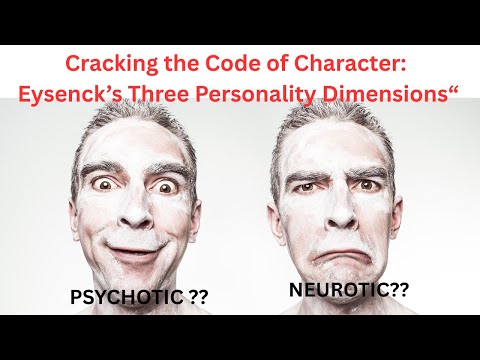
Eysenck believed that personality could be boiled down to a few core dimensions. He proposed three main traits: extraversion, neuroticism, and psychoticism. Imagine these dimensions as a kind of map for our personalities.
- Extraversion: This trait is all about how outgoing or reserved you are. Extraverts thrive off social interactions, while introverts prefer solitude and quieter activities.
- Neuroticism: This dimension covers emotional stability. High neuroticism often means experiencing anxiety, moodiness, or sadness more frequently. Eysenck pointed out how this can impact mental health.
- Psychoticism: A less commonly discussed trait, psychoticism relates to aggression and social deviance. High levels might indicate impulsivity or a tendency toward unconventional behavior.
Why does this matter? Well, Eysenck’s work paved the way for psychological assessments that help therapists understand clients better. One notable tool is the Eysenck Personality Questionnaire (EPQ). It helps gauge where someone falls along these dimensions, giving insight into their behavior and emotional responses.
But it’s not just about categorizing people into boxes! His research also looked at how these traits linked to mental health issues like depression and anxiety. For instance, if you score high on neuroticism, research shows you might be more prone to anxiety disorders. That’s some serious food for thought.
Eysenck didn’t shy away from controversy either! He was an advocate for using empirical evidence in psychology—basically saying that we should rely on data rather than just theories or gut feelings. His stance sparked debates in the field but also ushered in an era focused on research-backed practices.
Interestingly enough, he even had views on therapy methods! Eysenck believed in the effectiveness of behavior therapy over psychoanalysis for certain disorders. Crazy thing is, a lot of therapists still consider his insights when deciding treatment paths.
In summary, Eysenck’s legacy lies not just in personality testing but also in how we think about mental health today. His emphasis on measurable traits and data collection has shaped modern psychology—helping us understand ourselves better along the way! So yeah, it’s hard to overstate just how much this guy has influenced our view of personality and mental wellness!
Understanding the Eysenck Personality Test: Its Purpose and Impact on Mental Health
The Eysenck Personality Test is one of those classic tools used in psychology to get a better grip on how people think, feel, and behave. It was developed by Hans Eysenck, a British psychologist who believed that our personalities can be boiled down to some core traits. The thing is, understanding this test can really shine a light on mental health issues too.
First off, let’s talk about its main purpose. The Eysenck Personality Test categorizes you into certain personality dimensions:
- Extraversion: Are you outgoing and sociable or more reserved and solitary?
- Neuroticism: How emotionally stable are you? Do you get anxious or stressed easily?
- Psychoticism: This dimension looks at traits like aggressiveness and interpersonal relationships.
By scoring high or low in these areas, the test helps psychologists understand your personality profile. And here’s where it gets interesting. This profile can influence your emotional well-being.
For instance, someone who scores high in neuroticism might experience more anxiety or depression. I remember chatting with a friend who took the test and discovered she had a high neuroticism score. She realized that her tendency to overthink stuff often led to feelings of stress and made it harder for her to enjoy life’s simple pleasures.
Another cool aspect of the Eysenck Test is its impact on therapy and treatment plans. Once therapists know where you stand on these scales, they can tailor their approach more effectively. Let’s say you’re really extraverted; well, group therapy might be your jam! But if you’re more introverted? One-on-one sessions could work better for you.
That said, no personality test is perfect. Critics argue that humans are way too complex for just three dimensions. Also, factors like culture or context can shape how someone responds to the test—it’s not just black-and-white answers. A friend of mine scored differently based on his mood that day; he was feeling down during one session but was in a great headspace during another take.
Furthermore, while the Eysenck Personality Test can provide insights into your characteristics, it shouldn’t be seen as a diagnosis tool for mental health disorders itself. Instead, consider it a piece of the puzzle in understanding yourself better.
So yeah, if you’re curious about your personality and how it relates to mental health—like my friend who learned she needed coping strategies for her anxiety—taking this test could be worthwhile! Just remember: it’s one way among many to explore who you are and what makes you tick!
Understanding Eysenck’s Perspective on Psychology: Key Concepts and Insights
Hans Eysenck was a big name in psychology, known for shaking things up with his theories and ideas. He focused on understanding personality and how it relates to behavior. One of his most famous contributions is the Eysenck Personality Questionnaire (EPQ), which assesses different personality traits that can help predict behavior and mental health outcomes.
Eysenck thought that people’s personalities could be boiled down to three main dimensions: extraversion-introversion, neuroticism-stability, and psychoticism. These aren’t just fancy terms; they describe real traits that you might see in yourself or others. For example, if you’re the life of the party, you probably score high on extraversion. But if you’re more reserved, you might lean toward introversion.
You know how some people seem to bounce back after tough times while others struggle? Eysenck believed that neuroticism plays a huge role here. People who are high in neuroticism might experience more anxiety or depression because they tend to react more strongly to stressors. On the flip side, those low in neuroticism usually handle stress better, which probably leads to better overall mental health.
Now let’s chat about psychoticism. This one’s a bit trickier – it relates to aggression, creativity, and empathy levels. Someone high in psychoticism may come off as tough or even rebellious, while someone low here might be seen as warm and caring.
What makes Eysenck’s theories significant? For starters, they paved the way for using personality assessments in different areas of psychology—like therapy and even in workplaces! Knowing where someone stands on those three dimensions can guide therapists in tailoring their approaches.
And hey, it doesn’t stop there! Eysenck also connected these personality traits with mental health issues. His work suggested that certain personalities were more prone to certain disorders. If someone has high neuroticism, for example, they might have a higher risk for anxiety disorders.
Here are some key takeaways from Eysenck’s perspective:
- Eysenck Personality Questionnaire (EPQ): A tool used widely to assess personality traits.
- Three primary dimensions: Extraversion-introversion; Neuroticism-stability; Psychoticism.
- The link between personality and mental health: How our traits can affect our emotional well-being.
- Applications: Useful in therapy settings and workplaces for understanding behaviors.
In short, Eysenck’s perspective gives us valuable insights into our personalities and their impact on our lives. It reminds us that understanding ourselves better can lead to healthier choices and improved relationships with others!
Alright, so let’s chat about the Eysenck Test, which is pretty interesting stuff in psychology. It was developed by Hans Eysenck back in the day, and it really dives into personality traits. It’s kinda like peeking into your mind and figuring out how you tick.
So, the Eysenck Test mainly looks at three big personality dimensions: extraversion, neuroticism, and psychoticism. These traits help paint a picture of your emotional makeup. For example, if you score high on extraversion, you might be outgoing and love socializing like there’s no tomorrow. On the flip side, high neuroticism can mean you’re more prone to anxiety or mood swings.
Now here’s where it gets real. Understanding these traits can seriously impact mental health assessments. Imagine going into therapy and having a clearer idea of your personality type? That knowledge can guide not just how therapists approach treatment but also how people engage with their own mental health journeys.
I remember a buddy of mine took this test once—totally not expecting it to hit him so hard. The results revealed he was super high on neuroticism. At first, he was like “no way,” but then he realized it explained his tendency to overthink everything and feel anxious in social situations. It opened up a whole conversation about managing his feelings better.
One thing to note is that while Eysenck’s theory has its fans, there are critics too. Some experts argue that human behavior doesn’t neatly fit into just three categories. There’s so much more complexity involved! Still, having a tool like this helps in starting conversations about mental health.
Overall, whether you think the Eysenck Test is spot-on or not, it’s significant because it encourages us to reflect on who we are. That reflection itself can be a step toward understanding our mental health more deeply—and isn’t that what really matters?