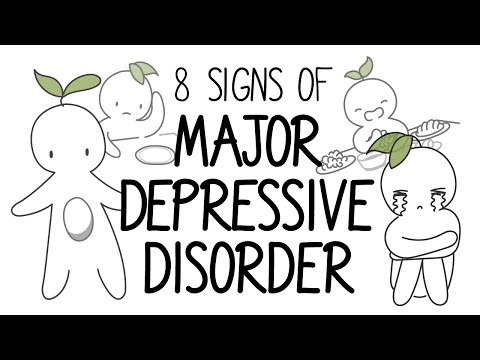
So, let’s chat about something that often flies under the radar: F32.1. Sounds like a code, right? Well, it is, sort of. It’s actually a label for a specific kind of depression.
You know how sometimes life just feels heavy? Like, you’re walking around with this invisible backpack stuffed with rocks? Yeah, that’s what we’re talking about here.
Not everyone gets it, but for those who do, recognizing the signs can be a game-changer. You might feel down for weeks on end or just out of sorts—like your favorite sweater shrunk in the wash.
The cool thing is, understanding these symptoms can seriously help you or someone you care about figure things out. It’s all about getting a clearer picture of what’s happening in your mind and heart. So stick around; I promise it’ll be worth it!
10 Effective Strategies to Snap Out of a Funk and Boost Your Mood
Feeling stuck in a funk, like you can’t shake off a bad mood? Yeah, we’ve all been there. It’s totally normal to have ups and downs, but if it starts feeling overwhelming or lasts for a while, it might be something more serious—like a mild depression, often referred to as F32.1 in clinical terms. So, here are some strategies you can use to lift your spirits and get moving again.
1. Get Moving
Seriously! Physical activity releases those feel-good chemicals called endorphins. You don’t have to hit the gym; just a walk around your neighborhood or dancing to your favorite tunes can do wonders.
2. Connect with Others
Reach out to friends or family. A short chat or even a text can brighten your day. I had a friend who would always text me when she felt down—and just hearing her voice made her feel less alone.
3. Try Mindfulness
Mindfulness is about staying present and aware without judging yourself. Even five minutes of deep breathing or focusing on your surroundings can help you feel more grounded.
4. Set Small Goals
Breaking tasks into smaller steps can reduce that overwhelming feeling. You know how daunting it feels looking at a full laundry basket? Just take one item at a time—it feels more manageable!
5. Limit Social Media
Scrolling through social media can sometimes bring you down instead of lifting you up. Try logging off for a bit and pay attention to how that impacts your mood.
6. Indulge in Hobbies
Remember the things you love? Whether it’s painting, reading, cooking—set aside time for those activities that bring you joy! I once picked up knitting again during a funk, and it was so therapeutic.
7. Get Outside
Nature has this amazing ability to make us feel better, right? Even just sitting outside for a bit gets some vitamin D flowing and boosts your mood naturally.
8. Practice Gratitude
Journaling about what you’re thankful for can shift your focus from negative feelings to positive ones. It doesn’t have to be elaborate—just jot down three things daily!
9. Seek Professional Help
If the funk persists and starts interfering with daily life, don’t hesitate to talk with someone trained in mental health care—a therapist could really help shine light on what you’re going through.
10. Maintain A Routine
Keeping a regular schedule helps create structure in your day-to-day life which can reduce chaos and anxiety levels when times are tough.
Remember, these strategies aren’t one-size-fits-all; find what resonates with you! We all have different ways of navigating our feelings—so play around and see what helps lift that weight off your shoulders!
Understanding the Difference: Am I Depressed or Just Experiencing a Bad Day?
So, let’s talk about feeling blue. We all have those days where everything feels off, right? But when does it go from just a “bad day” to something more serious like depression? It’s kinda tricky to figure out sometimes.
First off, it’s crucial to understand that everyone has ups and downs. You know how one morning you might wake up feeling great and by the afternoon, you’re questioning the meaning of life? Well, that happens. ***Feeling down occasionally is completely normal***. It can happen because of stress at work, issues with friends or family, or even just a rainy day. But if those feelings linger or seem overwhelming, that might be something worth investigating.
Now let’s break this down a bit. Here are some signs that could help you tell the difference:
- Duration: Are you feeling low for just a day or two? Or have these feelings stretched on for weeks or even months? When sadness lasts for more than two weeks consistently, it might signal depression.
- Intensity: Does your bad mood feel like a small cloud overhead, or like a heavy fog that makes it hard to get out of bed? Think about how strong your emotions are.
- Impact on daily life: Are you still able to get things done like going to work or hanging out with friends? Or do you find yourself isolating and withdrawing from things you usually enjoy?
- Physical symptoms: Sometimes depression can cause fatigue, body aches, changes in appetite, or even sleep disturbances. If you’re noticing those things along with your mood changes, that’s worth looking into.
- Cognitive changes: Are you having trouble concentrating or making decisions? If your brain feels foggy and it’s hard to think straight over time, that could be related to depression.
Here’s an example: Imagine Sarah. One week she had a fight with her best friend; she felt sad but got over it in a couple of days. That’s just life throwing some curveballs! But then three weeks later, she finds herself crying for no reason and not wanting to leave her apartment at all. This shift could mean she’s dealing with something deeper.
It’s also worth mentioning that there are different types of depressive episodes too—like major depressive disorder (F32), which is what we’re talking about here (specifically F32.1 involves moderate severity). So if you’re feeling persistent sadness along with the other symptoms I’ve mentioned, don’t shrug it off as just “a bad day.”
One important thing is **reaching out** when you’re unsure about what you’re feeling. Talk to someone—like a therapist or counselor who gets mental health stuff—they can help sort through these emotions with you and find the best way forward.
In short: while we all have bad days now and then (seriously no one is immune), if those feelings don’t lift after a while or start interfering with your life in significant ways—take note! Your mental health deserves attention just like any other aspect of your well-being does.
So remember: You’re not alone in this struggle; so many people have been there too! Just keep checking in on yourself and getting support whenever you need it.
Understanding F Codes: The Link Between Depression and Psychosis Explained
So, let’s talk about F codes. They’re part of the ICD-10, which is a system used by health professionals to classify diseases and mental health conditions. When it comes to mental health, F codes help pinpoint specific disorders. For instance, if you’re looking at F32.1, it refers to a major depressive episode that’s moderate in severity. This is a big deal because understanding these codes helps in getting the right treatment.
Now, on to depression and psychosis. You might think, «Wait, aren’t these two different things?» Well, yeah—and no! While depression can leave you feeling sad and drained, **psychosis** involves losing touch with reality. That means hallucinations or delusions can pop up. They’re not usually bedfellows, but they can be linked.
- Depression Symptoms: Feeling worthless or hopeless? Trouble sleeping or concentrating? Those are classic signs of a depressive episode like F32.1.
- Psychosis Features: Here’s where it gets wild—people with severe depression can experience psychotic symptoms like hearing voices or believing things that aren’t true.
- The Overlap: Sometimes when someone is super down—like really deep in their own head—they might start to hear stuff that isn’t there because their brain is just overwhelmed.
This overlap often confuses things for folks seeking help. It’s not uncommon for doctors to misinterpret severe depressive symptoms as full-blown psychosis without digging deeper into the patient’s history.
I remember a friend of mine who struggled with these feelings for years but didn’t realize how intertwined his issues were until he talked to a therapist who specialized in this stuff. At first, he just thought he was really sad; as it turned out, those dark thoughts sometimes twisted into beliefs about himself that were downright alarming.
If you suspect someone might be facing this combo of issues—or if you’re struggling yourself—it’s crucial to find expert help who gets both sides of the situation. Medications like antidepressants could be suggested alongside therapy, which might include cognitive behavioral therapy (CBT) or even art therapy for expression.
The thing is: recognizing the link between F32.1, depression, and psychosis takes patience and understanding from everyone involved—friends included! It’s not as simple as popping a pill; it requires time and support from loved ones along with professional care.
In summary: Understanding F codes helps clarify what someone is going through—especially when conditions overlap like this. Keep an eye out for those signs; they matter!
So, F32.1 refers to a specific kind of depression known as major depressive disorder, single episode, with mild severity. It’s a bit of a mouthful, huh? But we’re talking about feelings that many of us might brush off or think are just part of life—it’s more common than you might realize.
Picture this: You wake up one morning feeling like you’ve got a weight sitting on your chest. Getting out of bed feels like a monumental task. You don’t really feel excited about anything anymore—your favorite shows, hobbies, even hanging out with friends just don’t cut it anymore. It’s like that joy button inside you’s been turned off.
The thing is, recognizing symptoms can be tricky. Sometimes they creep in slowly—like when you used to love going for long walks and now one feels like running a marathon. Other times, they hit you like a truck: sadness that sticks around longer than you’d expect or losing interest in things that used to excite you.
You might also notice changes in your sleep patterns or appetite. Maybe you’re eating everything in sight or hardly eating at all; both are super common symptoms. Oh, and don’t forget about those pesky feelings of hopelessness or worthlessness that can swirl around in your mind like an endless bad movie.
It’s not always easy to admit we’re struggling either. I remember talking with a friend who was going through something similar. She kept saying she felt «off» but couldn’t put her finger on why. It took her a while to recognize those signs for what they were—a warning signal that something deeper was happening.
Awareness is key though; realizing these feelings aren’t just “normal” everyday blues can be the first step towards healing. If any of this resonates with you or someone you know, it’s important to reach out for help—we’re all human and sometimes we need someone to remind us it’s okay not to be okay.
So again, keep an eye on those symptoms—they’re there for a reason; they’re like little nudges from your mind trying to get your attention. Don’t ignore them! You deserve support and understanding on this crazy journey called life.