So, you know that feeling when you’re just not quite yourself? Maybe you’re feeling down for weeks, or just unable to shake off that nagging anxiety?
Well, that’s where stuff like F33.1 comes into play. It’s a diagnosis that sounds all medical and serious, but really it’s about understanding how you’re feeling.
When we talk about this diagnosis, it’s more than just a label. It can help you get the support and care you truly need.
It’s like having a map in the world of mental health—you don’t have to wander around lost anymore!
Understanding F33.1: Is This Depression Diagnosis Code Still Relevant?
Alright, let’s get into this whole F33.1 thing. First off, if you’re not familiar, F33.1 is a code from the International Classification of Diseases (ICD), specifically representing “Major depressive disorder, recurrent, in partial remission.” Sounds a bit clinical, huh? But it’s got a big role in mental health care.
So why does it matter? Basically, using codes like F33.1 helps healthcare providers communicate clearly about diagnoses and treatment plans. It’s like a shorthand language for understanding someone’s mental health condition.
What does this diagnosis mean? If someone has been through episodes of major depression but isn’t currently experiencing the full-blown symptoms, they might be coded as F33.1. This can be a tricky place to be—kind of floating between feeling okay and still having lingering sadness or low energy.
You might wonder—are these codes still relevant? Absolutely! Here’s why:
- Insurance Coverage: Many insurance companies require specific diagnosis codes to approve treatments or medications. Having an accurate code can ensure that folks get the support they need.
- Standardization: These codes provide a standardized way for professionals across various mental health settings to diagnose and treat patients. It makes sure everyone is on the same page.
- Research and Data: When it comes to studying trends in mental health, these codes allow researchers to collect data on how many people are diagnosed with conditions like F33.1 versus other types of depression.
Here’s a little personal story to illustrate: A friend of mine went through some tough times and was eventually diagnosed with F33.1 after several bouts of depression over the years but was feeling better at that point. Her therapist used this code during her sessions with her psychiatrist—making sure everyone was aware that while she was improving, there were still underlying issues they needed to address.
Now, let’s talk about partial remission. This term indicates that while someone might not exhibit all the symptoms of depression anymore, it doesn’t mean they’re completely in the clear since some symptoms may still hang around or pop up during stress.
Still, it can feel like a mixed bag emotionally—knowing you’ve made progress but also seeing some shadows linger can leave you feeling confused and frustrated at times.
So yeah, F33.1 isn’t just medical jargon; it’s super relevant for treatment planning and understanding where someone is in their mental health journey. Keeping tabs on these diagnoses helps both patients and providers navigate through care effectively—and that matters! Understanding these classifications keeps us connected to our mental health journey better than ever before.
4 Essential Lifestyle Changes to Effectively Manage Anxiety and Depression
Managing anxiety and depression can feel like an uphill battle, but seriously, there are some lifestyle changes that can help you feel a bit more in control. Let’s talk about four of them. Each little step could make a difference.
1. Establish a Daily Routine
Having a routine might sound boring, but it gives your day some structure. You know how when everything feels chaotic, just having a plan can ease your mind? Try to wake up, eat meals, and go to bed at the same time every day. It’s like giving your brain a comfy little schedule to hang out with.
Imagine this: You wake up, have breakfast while listening to your favorite tunes, maybe take a short walk outside—just enough to get that fresh air in your lungs. By the time you sit down to start your day’s tasks, you’ve already set a positive tone for yourself.
2. Get Moving
Exercise doesn’t have to be this intense boot camp scenario or anything like that; even just moving around counts! Regular physical activity is proven to help with both anxiety and depression. It releases chemicals in your brain called endorphins which are literally nature’s happy pills.
Let’s say you decide to take a half-hour walk most days of the week—you know, just jamming out with some headphones on? You’ll notice that after a while, you’re feeling more upbeat without even realizing it.
3. Focus on Nutrition
What you eat can seriously affect how you feel mentally. Think of it this way: if you’re fueling up on junk food all the time, it might not only mess with your energy levels but also impact your mood over time. Try adding more fruits, vegetables, lean proteins, and whole grains into your meals—your body (and mind) will thank you!
For example, try swapping soda for water or smoothies; you’ll probably notice an improvement in how energized and clear-headed you feel throughout the day.
4. Connect with Others
Isolation often makes anxiety and depression worse—it’s like being stuck in a dark room without any windows! Make an effort to reach out to friends or family members regularly; even texting someone can brighten up your mood significantly.
Remember that coffee date with an old friend? Sharing what you’re going through might lighten the load you’re carrying—even if it’s just for an hour or so over some lattes!
So there you have it! These lifestyle changes aren’t cure-alls by any means—especially when dealing with something like F33 1 diagnosis which refers specifically to recurrent depressive disorder—but they sure can help make daily life more manageable! The journey isn’t always easy; remember that small steps can lead to significant changes over time.
Understanding F33: A Comprehensive Guide to Major Depressive Disorder
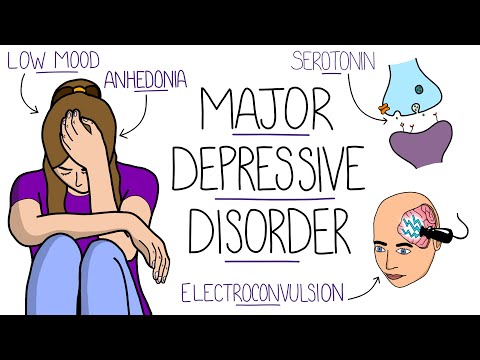
F33, in the world of mental health, refers to Major Depressive Disorder (MDD). It’s a diagnosis you might hear tossed around in therapy sessions or mental health discussions. So, what are we dealing with here? Well, it’s more than just feeling sad or having a bad day. It’s like this heavy blanket that keeps you down for a long time.
When someone is diagnosed with F33.1, it usually means they’ve had at least one major depressive episode that lasted for most of the day, nearly every day for two weeks or more. This isn’t just “I’m not feeling great.” We’re talking about symptoms that can affect your everyday life. Things like:
- Persistent sadness or low mood.
- Loss of interest in activities you used to enjoy.
- Changes in appetite or weight.
- Sleep disturbances, either insomnia or sleeping way too much.
- Fatigue that doesn’t seem to go away.
- Difficulties concentrating and making decisions.
- Feelings of worthlessness or excessive guilt.
- Thoughts of death, suicidal ideation, or even attempts.
Let me share a quick story here. A friend of mine, let’s call her Sarah, went through a tough time at work last year. She started feeling this deep sadness creeping in and found it hard to get out of bed some days. The things she loved—like painting and hiking—just didn’t seem appealing anymore. After months of this struggle, she finally reached out for help and got diagnosed with F33.1. That diagnosis helped her understand what was going on inside her head.
Now, the primary focus here is treatment options once you get that diagnosis. Therapy is often the first step; categories like Cognitive Behavioral Therapy (CBT) work wonders for many people by helping them rethink those negative thoughts swirling around their minds. Medications can be prescribed too—like antidepressants—to balance out those brain chemicals that aren’t working right.
But it’s important to know that recovery takes time; it’s not always a straight path up. You might have good days and rough ones too. The thing is, recognizing MDD as more than just a phase helps you get the right support when you need it most.
In summary, F33 is no small matter—it represents a serious challenge faced by many people but also opens the door to healing through understanding and support systems available out there! If you’re concerned about yourself or someone else who might be feeling this way, don’t hesitate to reach out for help; it could change everything!
So, you know how life can throw us some pretty heavy stuff? Sometimes, that stuff doesn’t just go away. It sticks around and can really mess with your day-to-day vibe. When someone gets diagnosed with F33.1 – that’s recurrent depressive disorder, or basically a type of depression that keeps coming back – it can feel like a weight on their shoulders, you follow me?
I remember my friend Sarah. She’s the kind of person who lights up a room, but then she started feeling this darkness creeping in every few months – like clockwork. It was hard for her to shake off those feelings of sadness and hopelessness. It’s not just «feeling down.» We all have those days, but for Sarah, it felt different. She’d get stuck in that cycle where happy moments felt fleeting, while the sad ones lingered way too long.
Now, in terms of mental health care, an F33.1 diagnosis isn’t just a label; it actually plays a crucial role in getting the right help. You see, having that clear diagnosis helps doctors understand what’s going on in someone’s mind and mood patterns. For Sarah, it meant she could access specific treatments tailored for her situation – things like therapy approaches designed specifically for recurrent depression or medications if needed.
And let’s be real: talking about mental health can feel kinda weird sometimes. But once Sarah got her diagnosis and started opening up about it? Wow! It was like a weight lifted off her chest! She wasn’t alone anymore; she found people who understood what she was going through. Those conversations mattered more than anyone realized.
It’s easy to think of diagnoses as just labels—like checking boxes on a form—but they’re so much more than that. They’re doorways to understanding ourselves better and figuring out the best paths toward healing. So yeah, while an F33.1 diagnosis might sound daunting at first glance, it really sets the stage for recovery by helping individuals navigate their emotional landscape with more clarity.
In short, it’s about taking control—not letting depression control you. And honestly? That journey’s worth taking because finding light again is totally possible!