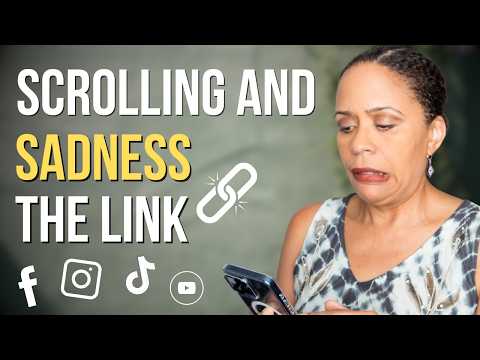
So, you’re scrolling through Facebook again, huh? Feels like everyone’s living their best life. But let me ask you this: how does that make you feel?
Sometimes, it’s hard not to compare yourself to those picture-perfect moments. You know what I mean? That constant stream of curated posts can mess with your head.
It’s wild to think about how social media shapes our feelings—like depression and anxiety. Seriously, it can be a bit of a rollercoaster ride for our mental health.
Stick around while we dig into how Facebook plays a role in this whole thing. It might just open your eyes a bit!
Exploring the Impact of Facebook on Mental Health: Benefits and Risks
Facebook has, like, totally changed the way we connect with each other. But it’s not all good news. There are genuine benefits and some serious risks when it comes to our mental health, especially regarding things like depression.
First off, let’s chat about the **benefits**:
Staying Connected: Facebook helps you keep in touch with family and friends. That feeling of being connected can be comforting. We’ve all had those moments where a simple message from a friend brightens up our day.
Support Groups: There are tons of groups for just about everything you can think of—anxiety, depression, chronic illnesses—you name it! Joining these spaces can offer a sense of belonging and support that might be missing in your everyday life.
Awareness and Resources: Social media plays a role in spreading awareness about mental health issues. Seeing posts or articles can encourage people to seek help they might have otherwise ignored.
Now, let’s flip the coin and dig into the **risks**:
Social Comparison: This one’s a biggie. You’re scrolling through your feed and suddenly feel like everyone else is having an amazing life while yours seems… well, not so great. It’s easy to slip into that comparison trap, which can lead to feelings of inadequacy or even depression.
Addiction and Overuse: Spending too much time on Facebook can become a slippery slope. It might start as harmless fun but can quickly turn into hours wasted. And when you’re stuck online instead of engaging with the world around you? That’s when loneliness sets in.
Misinformation: Not everything you read is true! With so much information out there (some good, some not so good), it can be overwhelming. Seeing bad news or misleading information constantly can create anxiety or fear surrounding your own life circumstances.
Let’s take a moment for an example here: Remember that time you posted something personal on Facebook? You hoped for empathy but ended up getting rude comments instead? It stings, right? That kind of experience sticks with you and may leave you feeling more isolated than before.
In short, Facebook is like this double-edged sword—it has its perks but also poses significant risks to mental health. The trick is finding balance: keep those connections alive while staying mindful of how it impacts your feelings. If social media starts dragging you down? It might be time to hit pause for a bit!
The Impact of Social Media on Depression: Understanding the Connection
Social media is everywhere, right? It can be a great way to connect with people, share moments, and find communities. But there’s a flip side to it, especially when we start talking about mental health. The connection between social media use and depression has been studied a lot lately, particularly platforms like Facebook.
One thing to think about is how comparison culture runs rampant online. You scroll through your feed and see friends on vacation, new cars, or just living their best lives. It’s easy to feel like you’re missing out or not measuring up. You know? That constant comparison can lead to feelings of inadequacy, which can trigger or worsen symptoms of depression.
Then there’s the impact of likes and comments. When you post something and it doesn’t get the response you hoped for, it can sting. Imagine putting your heart into a post about something meaningful to you—only to hear crickets. That lack of validation might lead you to feel isolated or rejected. It’s tough when your self-worth gets tied up in virtual approval from others.
Also, let’s talk about the time spent scrolling through feeds. Studies have shown that excessive social media use is linked with higher levels of depressive symptoms. The more time you spend online, the less time you might spend engaging in real-world activities that keep your spirits up—like exercising or hanging out with friends in person.
And don’t overlook cyberbullying. Unfortunately, social media can be a breeding ground for negativity. Harassment and bullying are common on platforms where anonymity allows people to say hurtful things without consequences. Experiencing this kind of behavior can have serious effects on mental health and contribute to feelings of helplessness.
On top of all that, there’s another layer of complexity: echo chambers. Sometimes social media algorithms show us content that reinforces our existing beliefs or feelings—good or bad. If you’re feeling down and start seeking out sadder content or negative thoughts shared by others, it can trap you in a cycle that makes it difficult to pull back into a more positive mindset.
But here’s the thing: not all social media interactions are bad! Connecting with supportive online communities can really help someone who is struggling with depression feel less alone. Having people who understand what you’re going through—even if they’re miles away—can provide comfort and support.
So how do we balance this? Setting boudaries around social media use is super important! Maybe limit how much time you spend scrolling each day or take breaks from certain platforms altogether when you’re feeling low.
In summary, while social media has its perks—like keeping us connected—it also has its downsides regarding mental health issues like depression. Being mindful about how we engage with these platforms might help us navigate our feelings better and prioritize real-life connections over virtual ones.
Exploring the Impact of Media on Mental Models: How Content Shapes Our Perceptions and Behaviors
Alright, let’s talk about media and how it messes with our heads, especially when it comes to social platforms like Facebook. You know, the stuff you scroll through every day? It’s wild how what we see online can really shape our mental models, which are just the ways we think about ourselves and the world.
First off, the content we consume plays a huge role in shaping our perceptions. When you’re scrolling through your feed and see people living their “best lives,” it can create this feeling of inadequacy. You’re looking at curated lives, not reality. This constant comparison can lead to feelings of anxiety and even depression. Like when you see that perfect vacation photo—suddenly your regular life seems less exciting.
Social validation is another biggie here. Every like or comment feels nice, right? But for many people, if those likes are fewer than expected, it can actually hurt their self-esteem. You might find yourself thinking, “If my post didn’t get as many likes as I wanted, does that mean nobody cares?” This kind of thinking can spiral into deeper issues.
- Curation vs. Reality: The thing is, most people only show their highlight reels online. It’s a filtered version of life.
- Fear of Missing Out (FOMO):You scroll past friends hanging out without you—that sting hurts! It makes you feel excluded.
- Echo Chambers: If you’re always seeing posts that align with your viewpoint, it can reinforce biases and limit your perspectives.
I remember a friend who used to love Facebook for connecting with folks but ended up feeling pretty low after seeing endless updates about others traveling or achieving big milestones while he felt stuck in his routine job. Over time, he started questioning his own worth based on those comparisons.
Now let’s dive into binge consumption. We’ve all been there—hours lost in scrolling! Studies suggest that prolonged exposure to social media content correlates with increased symptoms of depression and anxiety. The quick dopamine hits from notifications might keep you coming back for more but they also set you up for emotional roller coasters when the likes aren’t rolling in as expected.
The algorithms behind these platforms also deserve a shout-out because they’re designed to keep you engaged at all costs! They feed you what you’re likely to click on next based on your previous interactions. So if you’ve liked posts about sadness or struggle? Guess what? More content reflecting that will pop up on your screen!
- This creates a loop:You engage with negative content—it feeds into your existing emotions—making it harder to break free from that mindset.
- Mental health implications:This isn’t just theoretical; research shows links between heavy social media use and higher rates of depression in teens specifically.
You know what the bottom line is? Taking breaks from social media can be super beneficial! Unplugging allows you to reset your mental models away from all those images and pressures that don’t define real life.
The impact of media doesn’t just stop at individuals; it ripples outward too. It affects societal norms and expectations about success and happiness—and those things are pretty powerful! By becoming aware of how content shapes our perceptions and behaviors, we start taking control over what affects us emotionally rather than letting it happen passively.
So yeah, next time you open Facebook—or any platform for that matter—consider what you’re really absorbing. Is it lifting you up or pulling you down? Awareness is key!
Facebook, huh? It’s like that old friend who keeps popping back into your life whether you want them to or not. On one hand, it connects you with people, shares cool memories, and spreads information. But there’s definitely a darker side to it too, especially when we talk about mental health.
I’ve seen it in my own life and those around me. You know how scrolling through your feed can sometimes feel like a never-ending parade of perfect lives? It’s like everyone else is living in a movie while you’re stuck in your own mundane reality. One time, I was feeling particularly down, and I opened Facebook just to find post after post of friends on amazing vacations or rocking their dream jobs. It started eating away at me—a case of the comparison blues. That feeling of not measuring up can really mess with your head.
There’s some serious research out there that backs this up. Studies have shown that increased time on social media can be linked to feelings of loneliness, anxiety, and yes—depression too. You might start out just looking for inspiration or connection but end up feeling isolated instead. And the likes? Those little notifications can feel validating in one moment but also leave you empty when they slow down.
Then there’s the whole thing about cyberbullying and drama that can unfold online. Someone saying something hurtful behind a screen doesn’t just roll off your back like we’d hope it would; it sticks with you longer than you’d expect.
But here’s the thing—it’s not all doom and gloom! Facebook also has groups for support where people share their struggles openly. Some folks find comfort in connecting with others who get what they’re going through. There’s strength in community—seriously! For every toxic aspect of social media, there are pockets of positivity waiting for you if you look hard enough.
So yeah, Facebook’s role in shaping our mental health is kind of complicated—a tangled web of connection and disconnection at once. It boils down to balance—being aware of how it’s impacting you personally is key! Maybe taking breaks or curating your feed could help? Just being mindful about how much power you’re giving those posts over your feelings could make all the difference!