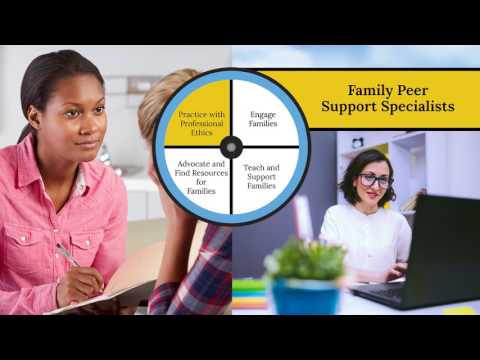
Hey there! Let’s chat for a sec about something super important: mental health. You get it, right? It affects all of us in some way, and sometimes we just need that extra support.
Ever heard of a Family Peer Support Specialist? It’s a fancy title, but basically, these folks are like your go-to buddies when you’re navigating the mental health maze. They get what you’re going through because they’ve been there themselves.
Now, imagine having someone who totally understands your struggles at home. Someone who can offer insight, share experiences, and help bridge the gap between families and the mental health system. Sounds pretty great, huh?
That’s where this certification comes in. It’s all about prepping people to be those amazing support buddies. So let’s break it down and see what it takes to become one of these lifesavers!
Understanding Peer Support Specialists: Are They Recognized as Mental Health Professionals?
Peer support specialists are becoming more common in the mental health world. They’re not your typical therapists or counselors; instead, they offer something unique: lived experience. So, what exactly is a peer support specialist? Well, they are individuals who have navigated their own mental health challenges and are trained to help others through similar situations.
In terms of being recognized as professionals, the answer is a bit complicated. Not all states have formal recognition for peer support specialists. Some places do provide certification programs that give them a sort of professional status. For instance, the *Family Peer Support Specialist Certification* acknowledges those who can guide families dealing with mental health issues. This certification can improve job prospects and credibility.
So why is this recognition important? First off, it highlights the value people bring from personal experiences. Imagine trying to talk about your struggles with someone who’s «been there.» That shared understanding can create trust and bond like nothing else.
Here are some key points to consider:
However, having this recognition isn’t universal. The practice varies by state or even by facility. Some healthcare providers may see peer support as just another part of the treatment team while others might still view them with skepticism.
It’s important to understand that peer support specialists aren’t there to replace therapists or doctors—they complement those roles nicely! For example, after a long therapy session where you spill your guts about everything weighing you down, talking with someone who’s walked a similar path could really help solidify what you’ve learned.
As society continues to transform its approach toward mental health care, recognizing peer support specialists as valuable members of the team becomes crucial for fostering community-based healing. Maybe one day they’ll receive standardized recognition across all states—wouldn’t that be great?
Step-by-Step Guide to Earning Your PRSS Certification for Mental Health Careers
So, you’re curious about earning your PRSS Certification for mental health careers, huh? It’s cool that you want to be a Family Peer Support Specialist! That role is super important in helping families navigate the mental health system. Let’s break down how to get there, step by step.
First off, you gotta know that the PRSS certification stands for Peer Recovery Support Specialist. This is mainly for people who have lived experience with mental health challenges and want to help others through those tough times. Basically, it’s about using your story as a tool for support.
1. Check Your Eligibility
Before anything else, see if you meet the requirements. You typically need some form of lived experience with mental health issues yourself or as a caretaker of someone who struggles. Most programs also ask for a high school diploma or GED.
2. Find a Training Program
You’ll need to enroll in a training program approved by the state where you plan on working. Look into programs that offer comprehensive training on mental health issues and family dynamics. They usually include modules on things like communication skills and crisis management.
3. Complete Your Training Hours
These programs generally require around 50 hours of training. Sounds like a lot, but remember this will prepare you for real-life situations! You’ll learn how to provide emotional support and navigate resources effectively.
4. Gain Experience
Many certification paths require you to log some supervised experience hours working with families or individuals in recovery settings. This could be volunteering with local organizations or getting an internship.
5. Take the Exam
After completing your training and gaining experience, you’ll need to pass an examination to get certified. The test will cover what you’ve learned throughout your training about peer support principles and practices.
6. Apply for Certification
Once you’ve passed that exam, it’s time to apply formally for your certification through the appropriate board in your state (like the Department of Health). You’ll fill out paperwork and pay a fee—make sure you’ve got everything organized!
7. Maintain Your Certification
The journey doesn’t end once you’re certified! You’ll likely need continuing education credits every so often (usually every two years) to keep it active—keeping up with new approaches in mental health is key!
Now here’s something personal: I had a friend who went through this process after her son struggled with anxiety and depression for years. She felt so lost at first but decided she wanted to help other families find their way too! Going through the training opened her eyes not just about techniques but also about her own healing journey.
In short, getting certified as a Family Peer Support Specialist can be incredibly rewarding—both for you and those you’ll help along the way! Just remember that each step is designed to build your knowledge and prepare you best for this position where empathy truly shines.
Understanding the Role of a Certified Family Peer Specialist in Mental Health Support
Alright, let’s talk about the role of a Certified Family Peer Specialist when it comes to mental health support. This is a pretty unique position. Essentially, these folks are family members of someone who’s experienced mental health challenges themselves. So they totally get what families go through during tough times.
First off, what does a Certified Family Peer Specialist do? Well, they’re there to provide support and guidance to other families who are navigating the mental health system. They offer understanding and compassion based on their own experiences. It’s like having someone in your corner who knows exactly what you’re going through.
Here are some key responsibilities:
- Emotional Support: They listen and validate feelings, helping families feel less isolated.
- Navigating Resources: They guide families through the maze of available services, making it easier to find help.
- Advocacy: They stand up for the needs of families in discussions with service providers or even at meetings.
- Education: They provide info about mental health conditions and effective coping strategies.
Imagine you’re a parent whose kid just got diagnosed with something like depression or anxiety. You might feel overwhelmed, scared even. That’s where a Certified Family Peer Specialist steps in. They can share similar stories that show you’re not alone or help you figure out how to communicate with your child in a way that makes them feel understood.
The training is important too! Becoming certified isn’t just about personal experience; they go through specific training that equips them with skills and knowledge tailored for this role. This blends lived experience with evidence-based practices to ensure they can provide informed support.
Another cool aspect is their connection within the community. These specialists often know local resources like therapists or support groups because they’ve walked that path before. It’s like having an insider who can open doors for you.
But here’s something else worth mentioning: they don’t replace professional care! This is key. They complement it by adding a family-centered perspective to treatment plans and supporting emotional healing.
In short, Certified Family Peer Specialists play an essential role in helping families cope with mental health issues. Their blend of lived experience and specialized training allows them to offer valuable support while navigating tough times together. Seriously, having someone who gets it can make all the difference!
You know, family dynamics can be so tricky—especially when mental health is in the mix. There’s this certification called the Family Peer Support Specialist Certification in Mental Health, and honestly, it’s a game changer. It’s all about equipping family members with the skills and knowledge to help their loved ones who are dealing with mental health issues.
Picture this: you’re sitting at home, worried about your brother who’s been struggling with anxiety. You want to help him but feel completely lost on what to do. That’s where a certified family peer support specialist can step in. These folks have been through it themselves, or they’ve supported someone close to them who has faced similar challenges. They totally get the emotional rollercoaster you’re riding.
Getting that certification isn’t just a badge of honor; it means you’ve learned how to navigate complex feelings, communicate effectively, and advocate for your loved one. So if you’re a parent trying to figure out how to support a child with depression or an adult child looking after an aging parent with bipolar disorder, having the right tools and skills makes such a difference.
I remember chatting with someone who had gone through this training. She talked about how empowering it felt to know she could be a source of strength for her sister who’s battled depression for years. Like, she learned not only how to offer emotional support but also how to approach tough conversations without pushing her sister away. That kind of understanding? It’s huge!
Plus, there’s this sense of community that comes with being trained as a family peer support specialist. You’re not alone anymore; you’re part of something bigger—people who have walked similar paths and understand the ups and downs firsthand.
So yeah, that certification opens doors—not just for those getting help but also for families trying their hardest to be there for their loved ones. It shows that support doesn’t need to come from professionals alone; sometimes it’s our own family members who can make all the difference when they understand what we’re going through and know how best to help us cope.