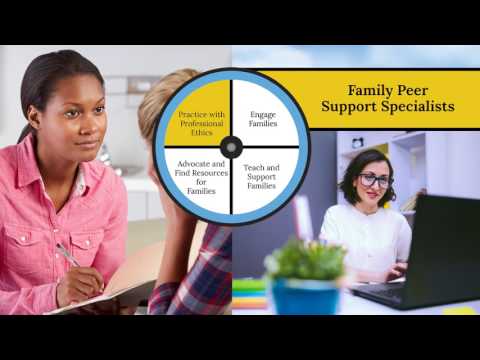
You know how sometimes life just throws a ton of stuff at you? Like, it can be overwhelming.
Well, imagine trying to navigate that while also caring for someone with mental health challenges. Yeah, it can feel a bit much.
That’s where family peer support specialists come in. They’re like the ultimate guides in this wild journey.
These folks have been there, done that. They get it on a level that maybe even a therapist can’t always reach.
So, if you’re curious about what it takes to become one of these amazing supporters, you’ve hit the right spot!
Step-by-Step Guide to Obtaining PRSS Certification for Mental Health Professionals
The process of obtaining PRSS (Peer Recovery Support Specialist) certification can feel a bit daunting, right? But don’t worry; it’s totally manageable once you break it down. Let’s take a closer look at what you need to do.
First off, understanding what being a **Family Peer Support Specialist (FPSS)** is all about is crucial. These specialists play a vital role in the mental health system. They’re there to help families navigate through challenges by providing support from someone who’s been there too, making the journey just a little easier.
To get started on your path to PRSS certification, here are some steps you’ll want to take:
1. Meet Eligibility Requirements: You generally must have lived experience as a family member or caregiver of someone with mental health or substance use challenges. This lived experience is key because it allows you to connect deeply with others in similar situations.
2. Complete Required Training: Most states demand that you finish specific training programs that focus on peer support skills. This training usually covers topics like effective communication, understanding mental health conditions, and crisis intervention techniques.
3. Accumulate Supervised Experience: After your training, you’ll likely need some hands-on experience working in the field under supervision. This could be through volunteer work or at organizations that focus on mental health support for families.
4. Pass the Certification Exam: Once you’ve completed your training and accumulated necessary experience, you’ll have to pass an exam that assesses your knowledge and skills as they pertain to peer support dynamics.
5. Submit Application for Certification: After passing the exam, it’s time to fill out your application for certification with all required documentation—this includes proof of training and any hours logged working under supervision.
6. Maintain Your Certification: Finally, after earning certification, be prepared to continue learning! Many states require ongoing education credits to keep your certification active. It keeps you updated on best practices and new developments in the field.
It’s worth mentioning that each state may have slightly different requirements or procedures, so check with your local mental health authority for specifics. And hey, if this seems overwhelming at first glance, remember: many people have gone through this process successfully!
I once chatted with a friend who became an FPSS after her own family’s battle with mental illness. She said having that title made her feel empowered—not just because she could help others but because she felt connected again after feeling isolated during tough times.
So yeah, taking these steps can put you in a position where you can make a real difference in people’s lives—yours included! Keep pushing forward; you’ve got this!
Steps to Becoming a Family Support Specialist: A Comprehensive Guide
Becoming a Family Support Specialist is pretty rewarding, especially if you’ve got a passion for helping families navigate through mental health challenges. Just imagine being the guiding hand for someone who feels lost or overwhelmed. It can be life-changing, not just for them but for you too! So, let’s break down how to get there.
First off, **understanding what a Family Support Specialist does** is key. Basically, you’ll be supporting families dealing with mental health issues. You’re like a bridge between the family and the mental health system. You’ll help them find resources and connect with services. It’s about empowering families to advocate for themselves.
Next up is education. Most places prefer candidates to have at least some experience or education related to mental health or social services. This can be anything from a high school diploma to a bachelor’s degree in social work, psychology, or something similar. But don’t sweat it if you don’t have formal education—life experiences often count too!
Then comes training. Here’s where things get interesting! Many states offer **Family Peer Support Specialist training programs** designed specifically for this role. These programs teach you skills like communication, active listening, and crisis management—seriously essential stuff! Plus, they usually focus on lived experiences too because your story matters; it connects you with families who might feel alone.
Don’t forget about certification! Once you’ve completed your training, many states require certification to officially be recognized as a Family Support Specialist. This usually involves passing an exam that tests your knowledge of family dynamics and mental health issues.
After that whole process? It’s time to gain some hands-on experience. Look for internships or volunteer opportunities in mental health organizations or community centers where you can practice what you’ve learned in real-world settings. This experience will also help build your network in the field!
You also want to stay updated on new trends in mental health care since things can change rapidly over time—a bit like trying to keep up with tech updates! Regularly attending workshops and conferences can keep you fresh and informed.
Finally—and this part is super important—**self-care is crucial** when you’re supporting others through tough times. Working closely with families dealing with stress can take its toll on your own well-being if you’re not careful.
So there it is—a quick journey through becoming a Family Support Specialist! You connect deeply with others while helping them find their way through challenges related to mental health—you’ll be making a difference one family at a time!
Understanding the Role of Peer Specialists in Mental Health Support
Peer specialists play a really important role in mental health support. They’re like guides who help others navigate their own journeys, and their experiences can make a world of difference. So, let’s break this down.
What is a Peer Specialist?
A peer specialist is someone who has lived experience with mental health challenges. This means they’ve been through it themselves and can share their insights and support with others facing similar issues. They’re trained to use their experiences to help you feel understood and less alone.
Their Training is Unique
Peer specialists get special training, often focusing on how to offer support without judgment. They learn about different mental health conditions, effective communication techniques, and ways to help you set personal goals. This isn’t just info from textbooks; it’s drawn from real-life situations that they’ve encountered.
- Empathy Over Authority: Unlike traditional therapists, peer specialists approach situations from a place of shared experience rather than expertise.
- Crisis Intervention: They can help during tough times by sharing coping strategies that have worked for them.
- Community Building: Peer specialists often work within community settings, helping to create supportive groups where people can share openly.
An Example from Real Life
Imagine you’re struggling with anxiety. You might feel overwhelmed and unsure about taking the next steps in your recovery. A peer specialist who once faced similar battles might sit down with you over coffee and say, “I’ve been there too.” That simple connection can feel like a lifebuoy in stormy seas.
The Role of Family Peer Support Specialists
In addition to individual peer specialists, there are family peer support specialists as well. These folks provide guidance specifically for families dealing with loved ones’ mental health challenges. They understand the strain families experience—they’ve walked that path too.
- A Listening Ear: Family peer specialists offer emotional support for family members, helping them express their feelings openly.
- Navigating Resources: They connect families with helpful services and resources based on firsthand knowledge.
- Sparking Hope: Just seeing someone else who has triumphed through adversity can inspire families to maintain hope.
A Powerful Connection
The relationship between peer specialists and those they support can be deeply transformative. Because they share genuine stories of recovery—including both setbacks and successes—it fosters an environment of trust. This connection encourages people to open up about their struggles without fear of judgment.
In essence, peer specialists are like bridge builders in the complex world of mental health care. They’re not just providing information or resources; they’re making sure that everyone knows they aren’t alone on this journey. So next time you hear about these roles in mental health support, remember that it’s all about real connections from real experiences—and that’s something truly invaluable!
So, family peer support specialists, huh? This whole concept really strikes a chord. Imagine you’re sitting in a room with people who’ve been through similar struggles as you or your loved ones. They get it—like, really get it—and that’s something special.
I remember when my friend Sarah was battling her son’s mental health issues. It was tough on her. She felt lost in the system—kind of like she was swimming upstream, you know? But then she found this training program for family peer support specialists. At first, she was hesitant. I mean, how could she help others when she was still figuring things out herself?
But after diving into the training, she discovered so many valuable skills and insights. It wasn’t just about learning facts or theories; it was more about sharing experiences and building connections. Like they taught her how to listen without judgment and be there for someone who’s going through a hard time. That made all the difference!
What really struck me was how this training isn’t just about helping others; it helps the specialists too! They get to take their own experiences—those messy, complicated feelings—and turn them into something that can actually support someone else. It’s like turning pain into power.
You know what I find amazing? The idea that folks with lived experience can act as a bridge between families and the sometimes overwhelming world of mental health services. Family peer support is all about creating understanding spaces where everyone feels safe to share their stories without feeling judged or misunderstood.
Plus, it promotes hope! Sarah found her voice through this training and became an advocate for other families feeling lost in the chaos of mental health challenges. Now she helps guide them toward resources and empowers them to make their own choices.
Seeing her grow into that role has been inspiring! It reminds us that in the realm of mental health, communities can heal together—that we’re not alone on this journey.
Ultimately, family peer support specialist training isn’t just another program; it’s a lifeline for families navigating those choppy waters of mental health together. You realize how vital it is when you see someone use their struggles to uplift others—it’s pretty powerful stuff!