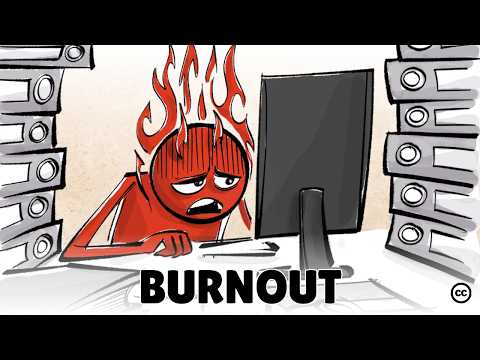
You know that feeling when you’re just wiped out? Like, you’ve run a marathon in your mind? Yeah, that’s burnout. And it can hit anyone, especially those of us in mental health care.
Seriously, it can feel like you’re carrying this heavy backpack filled with rocks. Each rock is a worry or a client’s story weighing you down. You want to help, but some days just getting out of bed feels like climbing Everest.
Fatigue isn’t just about being tired; it’s a sneaky thief stealing your energy and joy. It’s exhausting to keep giving parts of yourself while feeling drained inside. And let’s be real: it’s okay to admit that sometimes life throws more at us than we can handle.
But there’s hope! There are ways to cope and bounce back. Let’s chat about what that looks like and how you can start feeling more like yourself again. Sound good?
Essential Burnout Coping Strategies: Download Your Free PDF Guide
Burnout is a pretty common issue, especially in the mental health field. It’s like that feeling when you’ve run a marathon but forgot to train. You’re exhausted, overextended, and just plain worn out. If you’re grappling with fatigue and burnout, it’s key to have some coping strategies up your sleeve. Here’s a rundown of essential tactics that might help.
Recognize the Signs
First off, you need to be aware of what burnout feels like. Symptoms can vary but usually include chronic fatigue, emotional exhaustion, and even feelings of cynicism about your work. You know it’s time to change gears when you find yourself dreading going into work or feeling detached from your clients.
Set Boundaries
This one’s crucial! In the world of mental health care, it can be tempting to go above and beyond for every client. But overcommitting can quickly drain your energy. So, practice saying no sometimes. Protecting your time is not selfish; it’s necessary for your well-being.
Prioritize Self-Care
No kidding! Self-care isn’t just about bubble baths and fancy teas; it’s about finding what genuinely refreshes you. Whether that’s running in the park or curling up with a good book, make sure you carve out time for activities that reinvigorate you.
Develop a Support System
Having people around who understand what you’re going through is priceless. Talk to colleagues who get the grind of mental health work or lean on friends who can offer support without judgment. Sometimes just knowing someone else gets it makes all the difference.
Practice Mindfulness
Mindfulness techniques help ground you in the present moment and lessen stress levels. You might try meditation or deep-breathing exercises during breaks at work—just a few minutes can really reset your brain.
Simplify Your Routine
Cutting back on unnecessary tasks can free up mental space for what matters most—like providing quality care to clients without sacrificing your own health. Automate repetitive things where possible or delegate tasks if you’re in a position to do so.
Cultivate Compassion Fatigue Awareness
Being aware of compassion fatigue is important too—this is basically emotional exhaustion resulting from being empathetic toward others’ struggles daily. Check-in with yourself regularly; notice if you’re feeling overwhelmed by others’ pain more than usual.
So yeah, burnout happens; it’s real and can creep up on anyone, especially those in helping professions like mental health care. But by using these strategies—setting boundaries, making time for self-care, and seeking support—you’ll be better equipped to handle stress without losing yourself in the process.
And remember: it’s okay not to be okay sometimes! Acknowledging that vulnerability is part of being human can actually give you strength in navigating this challenging field.
Ultimate Burnout Recovery Plan: Download Your Free PDF Guide Today!
Burnout is real, and it can hit you hard, especially in mental health care. It’s that feeling when everything feels like too much—like you’re just running on empty. You might be familiar with the exhaustion, cynicism, and reduced effectiveness that come with it. So let’s break down how to cope with fatigue and burnout while keeping things simple.
Recognizing Burnout
First off, do you know the signs? You might find yourself feeling drained after work, having trouble sleeping or even feeling detached from your colleagues or patients. Remember when you used to feel passionate about your job? That spark may dim during burnout.
Taking a Step Back
The thing is, sometimes you just need to pause. This doesn’t mean quitting your job or running away. You can begin by noticing when you’re overwhelmed. Maybe take a day off when things get too heavy. It can actually help you recharge.
Setting Boundaries
Creating boundaries is super important—like saying “no” to extra shifts or tasks that aren’t necessary. It’s not selfish; it’s essential for your well-being. When people respect your limits, they might appreciate your energy more when you’re available.
Self-Care Routine
Seriously, build a self-care routine! And I’m not talking about just bubble baths (though those help!). Include activities that make you happy or calm: reading a good book, going for walks in nature, or even spending time with friends. What recharges you? Don’t forget to nourish your body too—eating well keeps energy levels up!
Mindfulness and Relaxation Techniques
Mindfulness can be like hitting the reset button in your mind. Just sitting quietly for a few minutes each day can bring clarity and calmness back into focus. Try deep breathing or meditation apps; there’s no need for fancy techniques here.
Talk About It
Reaching out for support isn’t weak—it’s brave! Talk to friends, family or coworkers who get what you’re going through. Finding someone who understands those struggles makes all the difference, trust me on that!
- Counseling: If things don’t improve after trying these tips, consider reaching out to a counselor or therapist.
- Scheduling Breaks: Make sure to schedule breaks throughout your day so your mind gets a chance to breathe.
- Avoid Overcommitment: Be mindful of how much you take on both at work and in life.
Lastly, remember there isn’t one magic solution; recovery takes time—and that’s totally okay! You’re not alone in this journey; many people experience these feelings too. So hang in there! Your health matters most—and taking care of yourself helps everyone around you as well!
Strategies for Overcoming Compassion Fatigue: A Comprehensive PDF Guide
Compassion fatigue is a real thing, especially for those working in mental health care. It can feel like you’re running on empty, like a phone battery that just won’t charge anymore. You might find it hard to care for others because you’ve already given so much of yourself. This can lead to burnout, where you just feel exhausted and disconnected from your work. So, let’s talk strategies for overcoming this heavy feeling.
First off, **self-care is super important**. Seriously, make time for yourself. You might be thinking, “I don’t have time,” but you really do. Just like when you’re on a flight and the oxygen mask drops down—you gotta secure yours first before helping others. Consider:
- Physical activity: Even a short walk can clear your mind.
- Meditation or mindfulness: Just five minutes of deep breathing can do wonders.
- Healthy eating: Fueling your body with good food helps maintain your energy levels.
Next up is setting boundaries. This one’s tough but necessary. It’s okay to say no sometimes! You can’t pour from an empty cup, right? Try to define your limits at work and stick to them.
Another good tip is connecting with colleagues or friends who understand what you’re going through. Talking it out can really lift a weight off your shoulders. Sharing stories and experiences humanizes the struggle and makes you feel less alone.
Don’t forget about supervision or mentorship as well! Getting feedback from someone more experienced in the field can help provide insight into managing compassion fatigue effectively.
You know what else? Taking breaks during your day is crucial too! Short moments away from work—like grabbing coffee or listening to music—can recharge your brain nicely.
Also consider learning about compassion fatigue itself; understanding it gives you power over it. Knowing the signs can help you catch it early before it sinks in deep.
Last but not least, keep reminding yourself why you got into this field in the first place! Reconnecting with that initial motivation, whether it was helping others or a passion for mental health, can reignite that fire within you.
So there you have it: strategies that truly make a difference in managing compassion fatigue and burnout in mental health care settings. Taking these steps might not fix everything overnight but will surely help you move toward a healthier mindset over time!
You know, fatigue and burnout in mental health care isn’t just some buzzword. It’s a real struggle that lots of folks face, often without even realizing it. Picture this: you’re in a room filled with people who are pouring their hearts out, sharing their deepest fears and anxieties. It’s heavy stuff, and while you’re there to support them, it can seriously take a toll on your own energy.
I remember a time when a friend of mine who works as a therapist looked completely drained. She loved what she did but felt like she was running on empty. Every day was like pulling teeth just to get through the sessions. The emotional weight was piling up, and she didn’t know how to shake it off. It’s tough when your job is to help others but you end up feeling like you’re sinking yourself.
So, coping with that fatigue and burnout is crucial—no joke! First off, it’s about recognizing when enough is enough. You’ve got to tune into your own needs—like sleeping enough or simply taking a genuine break (yes, those Netflix binges can be included). Talking about feelings with fellow colleagues can lighten that load too; you’re all in the same boat and can share tips or even just vent together.
Another thing? Setting boundaries is totally necessary. Like, if you’re available 24/7 for clients—what about you? Taking time for self-care isn’t selfish; it’s needed to keep giving your best self when it counts! Remembering hobbies or things that make you laugh helps brighten those long days.
Then there’s mindfulness—it sounds fancy but really it’s just about being present in the moment without judgment. Even five minutes of focused breathing can help reset everything chaos swirling around! Sometimes all we need is space to breathe.
Ultimately, navigating fatigue and burnout in mental health care takes awareness and action—you gotta make the effort. So if you’re feeling weighed down by all the emotional work out there, give yourself permission to pause—and don’t forget: your well-being matters just as much as helping others!