You know how sometimes you just feel overwhelmed? Like everything’s piling up, and you can’t catch a break? That’s something so many people struggle with. But here’s the thing: mental health isn’t just about surviving the tough moments; it’s about thriving every day.
Fazaclo is shaking things up in the mental health world. It’s all about seeing things from a fresh angle. Forget what you think you know! This isn’t just another medication or therapy session. It’s like a new lens on life.
Imagine having tools that really help you connect with yourself and others. That’s what it’s all about—finding that balance, understanding ourselves better, and living life to the fullest.
So, grab a comfy seat! Let’s talk about how Fazaclo is changing the game and why it matters for all of us—even if we’re just trying to get through the day.
Clozapine Controversy: Understanding the Risks, Benefits, and Uncertainties in Mental Health Treatment
Clozapine is a medication that’s been around for quite a while now, but it still stirs up a lot of debates among professionals and patients alike. You see, it’s often used for treating schizophrenia and is typically prescribed when other medications don’t do the trick. But hey, there’s a catch—it comes with some serious risks.
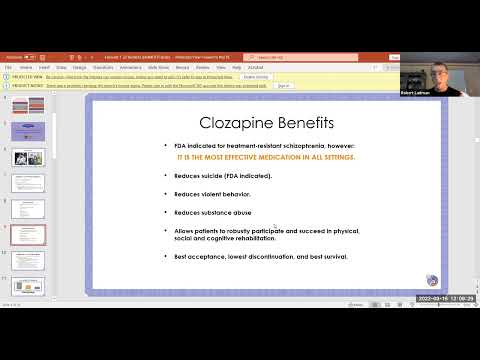
First off, let’s talk about the benefits. Clozapine can really help people who haven’t had success with traditional antipsychotics. Some studies show that it can significantly reduce psychotic symptoms and improve overall functioning in individuals with treatment-resistant schizophrenia. This could mean less hallucination, fewer delusions, or just feeling more like yourself again—can you imagine how life-changing that could be?
But here’s where things get tricky. Clozapine has some serious side effects. One of the most concerning is agranulocytosis—a fancy term for dangerously low white blood cell count—which makes you super vulnerable to infections. Because of this risk, if you or someone you know is on clozapine, regular blood tests are essential to keep an eye on those levels.
There are other side effects too. People might experience seizures, sedation, weight gain, or metabolic syndrome—it’s like a buffet of potential problems! So yeah, there’s definitely a lot to weigh when considering this medication.
Now let’s not forget about Fazaclo. This is an orally disintegrating formulation of clozapine that makes taking the medication easier for some folks. It dissolves quickly in your mouth without needing water—pretty neat if you ask me! But just because it’s easier to take doesn’t mean all those risks disappear; they’re still very much present.
Another layer to this controversy is the uncertainty surrounding long-term use of clozapine. While some patients see incredible benefits, others struggle with side effects that affect their quality of life. So it brings up the question: How do we balance effectiveness with safety?
And let’s face it—everyone’s different! What works wonders for one person might be a nightmare for another. That personalization aspect makes mental health treatment so complex and often frustrating.
In summary:
- Clozapine offers hope for those whose symptoms resist other treatments.
- Regular blood tests are crucial due to risks like agranulocytosis.
- Clozapine has multiple side effects that can complicate treatment.
- Fazaclo simplifies administration but doesn’t eliminate risks.
- The balance between effectiveness and safety remains uncertain.
Living with mental health challenges isn’t easy; medications like clozapine can be a powerful tool but come with responsibilities and tough choices. The key takeaway? Always have open conversations with your healthcare providers! They’re in your corner and can help navigate these decisions together—no one should go through this alone!
Exploring the Latest Breakthroughs in Schizophrenia Research: What You Need to Know
Schizophrenia can feel like a heavy weight. It’s one of those conditions that, even today, carries a lot of stigma and misunderstanding. But recently, there’s been some movement in the research world that offers hope. Let’s take a look at what’s been happening.
Fazaclo, which contains clozapine, is one of the newer options on the scene for people with schizophrenia. You know how sometimes medication can feel like a shot in the dark? This one’s designed to hit closer to home, especially for those who’ve struggled with other treatments.
First off, it’s important to know that Fazaclo is formulated as an orally dissolving tablet. This means it melts in your mouth—no water needed! That might sound simple, but for someone who has trouble taking medication regularly, this could make all the difference.
Here’s what’s cool: research shows that about 30% of people with schizophrenia don’t respond well to typical treatments. But what studies are finding is that Fazaclo can be *really* effective for these individuals. You see, clozapine works differently than traditional antipsychotics. It might help reduce symptoms like hallucinations and delusions more effectively for some folks.
But let’s break it down:
- Targeted Treatment: Fazaclo can better target treatment-resistant schizophrenia due to its unique action on brain receptors.
- Reduced Side Effects: While all meds come with potential side effects, some people find they tolerate Fazaclo better than other medications.
- Monitoring Support: Using Fazaclo requires regular blood tests—it helps keep an eye on white blood cell counts to prevent rare but serious side effects.
Imagine someone named Alex—he’s in his twenties and has been dealing with schizophrenia since his late teens. He tried several medications and still felt lost in a fog of paranoia and confusion. Then he was switched to Fazaclo after a thorough discussion with his psychiatrist about treatment options.
After a few weeks on this new medication, Alex started noticing clearer days; he felt more connected to reality again! It’s not magic or anything—just solid science meeting personalized care.
Now there’s also some interesting stuff happening around how we view mental health overall—like how awareness campaigns emphasize understanding schizophrenia rather than just treating it as a problem needing fixing. It’s essential because folks like Alex benefit from being seen as whole people instead of just their diagnosis.
Finally, while these breakthroughs are exciting and promising, remember they’re not one-size-fits-all solutions. Mental health treatment is often about finding what clicks for you personally.
So yeah, breakthroughs like Fazaclo spark hope! But they also remind us there’s still much work ahead in understanding and supporting those living with schizophrenia every day.
Understanding Clozapine: Its Role and Benefits in Mental Health Treatment
Clozapine is one of those medications that doesn’t always get the spotlight it deserves, but it plays a crucial role in treating specific mental health conditions, especially schizophrenia. This antipsychotic is often a go-to for folks who haven’t had success with other treatments.
It’s kind of like the last resort, but in a good way! When someone really struggles with managing their symptoms and other medications haven’t worked as well, clozapine can be a game changer. It’s known for its effectiveness in reducing symptoms like hallucinations and delusions.
One of the major benefits of clozapine is that it’s particularly effective for treatment-resistant schizophrenia. That means if you’ve tried other meds and they didn’t help much, clozapine might step in when you’re feeling stuck. Imagine being on a rollercoaster of ups and downs without any stable ground—clozapine aims to level out those experiences.
Now, let’s talk about what makes clozapine different from other antipsychotics. You see, it works on several neurotransmitter systems—not just dopamine, which is often the focus with many psych meds. This broad approach can help manage symptoms more effectively for some people. It’s like being given more tools to fix a complex machine rather than just one wrench.
However, there are some important things to keep in mind! Clozapine does come with risks and requires careful monitoring due to potential side effects like agranulocytosis—a serious drop in white blood cells—which can make you more vulnerable to infections. That’s why regular blood tests are super important when you’re on this medication.
In terms of dosage, starting low and gradually increasing is key. This helps your body adjust and minimizes side effects as much as possible while finding that sweet spot for symptom relief.
Once someone finds the right dosage with clozapine, they often find their daily life improving significantly! You know how isolating mental health struggles can feel? Clozapine might help unlock doors that lead to better relationships and improved overall well-being.
In summary, clozapine isn’t just your average antipsychotic—it’s a lifeline for many who feel they’ve run out of options in their mental health journey. If you’ve got more questions about how it works or what to expect while using it, talking it through with your healthcare provider makes all the difference!
You know, mental health awareness is one of those things that’s getting a lot of buzz these days. Seriously, it feels like everyone’s talking about it, which is awesome. But there’s still so much room for fresh ideas and perspectives. That’s where Fazaclo comes in.
Fazaclo isn’t just another name to throw around; it represents a shift in how we view mental health and the conversations surrounding it. I mean, think about the traditional way we’ve approached mental health—lots of stigma, confusion, and misunderstanding, right? With Fazaclo, there’s this push to take a step back and look at things differently. It’s more about understanding people on a human level rather than just labeling them with conditions.
I remember chatting with a friend who struggled with anxiety for years. She always felt like she was trapped in this box labeled “anxiety disorder.” It wasn’t till she started engaging more openly with others that she found relief. She realized there were many layers to her experience; there was her anxiety, sure, but also her passions, dreams, and challenges that had nothing to do with her condition. That’s what Fazaclo embodies—seeing the whole person beyond their struggles.
What I find really compelling about this perspective is how it encourages connection instead of isolation. It invites you to share your stories and experiences without fear of judgment or being misunderstood. When you see mental health through this lens—like through Fazaclo—it feels less like a heavy cloud hanging over you and more like an ongoing conversation among friends.
Of course, it’s not all sunshine and rainbows. There are still plenty of hurdles to jump over when it comes to accessibility and resources in the mental health care system. But Fazaclo inspires hope that we can keep shifting more toward empathy and understanding while tackling those issues head-on.
So yeah, I’m all for embracing new perspectives on mental health awareness like what Fazaclo offers! Letting go of rigid definitions helps us connect as humans instead of just diagnoses or symptoms we carry around like baggage. And honestly? That makes all the difference in the world.