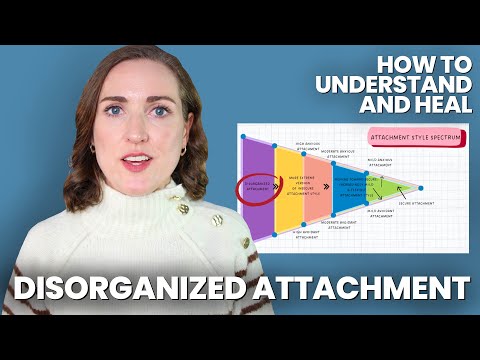
So, let’s chat about attachment styles. You know, that stuff we all have that shapes how we connect with others?
Well, there are these two styles—fearful and dismissive avoidant—that can make relationships feel kinda tricky. They’re like the rollercoaster of love, full of ups and downs.
Have you ever felt super close to someone one minute, then pushed them away the next? Totally confusing, right? Seriously, it’s like your heart is saying “come here” while your brain is screaming “stay back!”
What you need to know is you’re not alone. Lots of people navigate these feelings every day. So we’re gonna unpack this together—easy peasy!
Can Dismissive Avoidant and Fearful Avoidant Attachment Styles Thrive Together? Exploring Compatibility and Dynamics
Well, the whole idea of Dismissive Avoidant and Fearful Avoidant attachment styles trying to make it work together is pretty interesting. You’ve got two folks who handle relationships a bit differently, and the question is, can they actually thrive? Let’s break it down.
Both styles stem from early experiences, like a recipe gone slightly wrong. Dismissive Avoidants often shove their feelings aside. They tend to value independence and see relationships as more of a hassle, you know? On the other hand, Fearful Avoidants crave closeness but are scared of getting hurt. They want intimacy but also fear it, which kinda makes things complicated.
Compatibility challenges arise because each person’s way of dealing with emotions can clash. For instance, if the Dismissive Avoidant wants space when things get heavy, the Fearful Avoidant might feel rejected or anxious. It’s like two people trying to dance but stepping on each other’s toes instead.
Now let’s consider some dynamics that might play out in their relationship:
- Communication struggles: With different communication needs, understanding each other can be tough. The Dismissive might avoid discussing feelings while the Fearful is already in a whirlpool of anxiety just thinking about it.
- Emotional reactions: When push comes to shove, they might have very different reactions to stress. The Dismissive one will likely withdraw while the Fearful may panic and cling closer. So this back-and-forth could lead to misunderstandings.
- Creating safety: If both partners work on building trust together, they could create a secure base where both feel comfortable exploring their vulnerabilities.
But look, it’s not all doom and gloom! With effort and mutual understanding, they can create a solid dynamic that respects both their needs. For instance:
1. **Open conversations** about how each person feels during tough times can really help establish trust.
2. **Setting boundaries** is crucial too; respecting each other’s space allows them to breathe without feeling smothered or abandoned.
3. **Therapy or counseling** can be a game changer for many couples dealing with attachment issues; having an impartial guide through complex emotions is so beneficial.
In short, while there are definitely potential bumps on this road due to their different styles, it’s totally possible for these two attachment types to find common ground and thrive together if they’re willing to put in the work! A little patience goes a long way—you know?
Understanding the Deepest Fears of Dismissive Avoidant Individuals
Understanding the deepest fears of dismissive avoidant individuals can be a bit complex, but it’s really interesting, too. Basically, these folks often struggle with intimacy and emotional connection. They might feel like they don’t need anyone or that relying on others will just lead to disappointment.
One major fear for dismissive avoidant people is **vulnerability**. They often feel like opening up about their feelings makes them weak or exposes them to rejection. Imagine being at a party, and you’re surrounded by people laughing and having fun, but you’ve built this wall around yourself because you’re scared of letting anyone in. That’s kind of how it feels for them.
Another deep fear is **abandonment**, but it’s a little more complicated than that. You see, they might act like they don’t care if someone leaves; however, deep down, the thought of being alone can be terrifying. It’s like when you’re watching a sad movie, and you think you’re over it until there’s that one scene that just hits home.
Dismissive avoidants also tend to have a significant fear of **rejection**. It’s not that they don’t want relationships; it’s just that they worry about being judged or not meeting expectations. This might make them pull back before things get too intense, thinking they can protect themselves from inevitable hurt.
And let’s not forget about **self-reliance**. Being overly independent can be a coping mechanism for these individuals. The idea here is: if I don’t need anyone else, then I can’t get hurt by anyone else. You could say it’s like building this fortress around themselves—strong walls but ultimately isolating.
In relationships, their fears manifest as **disengagement**. When things start getting too close or emotional, they may withdraw or shut down communication completely. It’s as if they’re saying “Hey, I’m fine on my own,” even when their heart might be pleading for connection.
So basically, understanding dismissive avoidant individuals involves recognizing their struggle between wanting closeness and fearing the pain that often comes with it. Their fears drive behaviors that sometimes make them seem distant or aloof when really there’s so much more going on beneath the surface.
These layers of fear affect their relationships and emotional well-being in profound ways—you know? It’s all interconnected! Acknowledging these fears doesn’t solve everything; however, talking openly about such fears can sometimes create pathways to better understanding and healing.
Discovering Compatibility: The Best Attachment Styles for Fearful Avoidant Individuals
The thing about attachment styles is that they dictate how we connect with others, especially in romantic relationships. If you’re a fearful avoidant, this can feel like a real rollercoaster. You want closeness but also fear it, creating a tug-of-war inside you. It’s a tough spot to be in, and when you’re trying to find the right partner, compatibility becomes super important.
Fearful Avoidant Individuals often struggle with trust and intimacy. This is rooted in past experiences where love might have felt unreliable or painful. You might find yourself feeling anxious about getting too close or too distant from someone—a real catch-22 if you think about it. So what does compatibility look like for you?
First off, here’s where secure attachment styles come into play. Partners with secure attachment styles can offer the stability and reassurance that fearful avoidants crave. They’re typically comfortable with intimacy and are great at communicating their feelings without being overwhelming. Imagine dating someone who just gets it—who doesn’t push you away or chase after you but meets you right where you are.
Then there’s the anxious attachment style. While they can bring enthusiasm and affection to the table, they might not be the best match for you long-term. Their need for constant reassurance could clash hard with your own unpredictability when it comes to closeness.
Now let’s talk about dismissing avoidants. These individuals generally keep people at arm’s length too but do so because of their own fears of reliance on others. Being together might create a sense of connection at first, but soon enough, both partners could fall back into their avoidant patterns—neither really wants to get too close.
So if you’re looking for compatibility as a fearful avoidant person, aim for partners who have learned how to navigate their own vulnerabilities while being supportive of yours.
- Look for security: Secure partners give that comforting vibe that lets you breathe easier.
- Communicate your needs: Make sure your partner knows where you’re coming from; honesty helps create trust.
- Avoid anxious types: They might be loving but could trigger your fears instead of helping calm them.
- Dismissing types can lead to conflict: Both may end up feeling isolated rather than connected.
An example? Picture yourself on a date with someone who is relaxed yet attentive—maybe they notice when you’re pulling away and gently ask if everything’s alright instead of pushing back or assuming you’ll open up later. That ability to stay present without adding pressure? That’s gold for ensuring compatibility!
Finding someone who understands your unique rhythm can make all the difference in building lasting relationships that feel safe rather than suffocating or overwhelming. In short, look for those secure souls—they’re likely your best bet at crafting a healthy bond!
You know, attachment styles are such a big deal when it comes to how we connect with others. It’s like this invisible guidebook that shapes our relationships. If you’ve got a fearful or dismissive avoidant attachment style, things can get pretty tricky.
So, I was chatting with a friend the other day. She’s got this boyfriend who seems super reliable and caring. But every time he gets close emotionally, she pulls back. It’s wild to see; one minute they’re laughing together, and the next, she’s shutting down. This kind of back-and-forth is common for people with these attachment styles.
Fearful avoidant folks often want closeness but are terrified of getting hurt. They develop this urge to push people away just when things start feeling real. I mean, can you imagine? One moment you’re thinking maybe this person is «the one,» and the next, you’re terrified they’ll betray you or leave.
Then there’s the dismissive avoidant style. These folks tend to be more like “Emotions? Who needs ‘em?” They prioritize independence so much that intimacy feels suffocating. Think about someone who avoids deep connections because they believe it’s easier that way—kinda sad when you think about it! They might come off as indifferent or disinterested when really they’re just scared of getting too close.
But here’s the thing: realizing what drives these instincts is half the battle. Acknowledging those fears doesn’t mean you have to let them control your life or relationships. It takes work—like being brave enough to sit with your feelings instead of running from them.
It helps to talk things out too—whether it’s with friends or a therapist who gets it. You might find it’s comforting when someone validates what you’re feeling rather than telling you it shouldn’t be there in the first place.
If you’re stuck in those patterns, reaching out is key, even if it feels uncomfortable at first. So yeah, navigating through these attachment styles can be tough! But knowing what’s going on behind the scenes makes all the difference in finding healthier ways to connect—and maybe even opening up to love without fear holding you back so much!