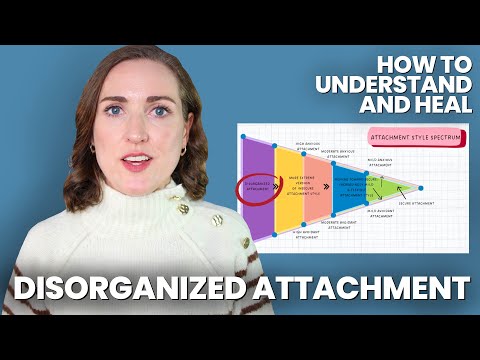
Relationships can be a bit of a roller coaster, huh? Especially when you throw different attachment styles into the mix.
Like, take fearful avoidant and secure attachments. It’s like trying to connect two puzzle pieces that just don’t quite fit sometimes. You know what I mean?
On one hand, you’ve got the fearful avoidant person, who might pull away at the first sign of intimacy. And then there’s the secure attachment—steady and ready to build something solid.
So, how do you make it work when those two worlds collide? That’s what I want to chat about today. Let’s dig into this whole attachment thing together!
Transforming Fearful Avoidant Attachment into Secure Connection: A Step-by-Step Guide
Transforming a fearful avoidant attachment style into something more secure can feel like a hefty task. But with the right approach, it’s totally possible. You might be wondering how this all works, so let’s break it down.
First off, you should understand what **fearful avoidant attachment** is. It’s a relationship style that mixes anxiety and avoidance. People with this attachment often want connection but fear it at the same time. Confusing, right? They may push others away even when they crave closeness.
Now, if you or someone close to you has this attachment style, moving towards a more secure connection involves some practical steps. Here are some key points to consider:
- Recognize Your Patterns: Start by becoming aware of your behaviors in relationships. Notice when you pull back or feel anxious and ask yourself why.
- Communicate Openly: Talk about your feelings with your partner. Share your fears and needs without holding back. For example, if you’re scared of getting hurt, let them know.
- Practice Self-Compassion: Be gentle with yourself. Understand that having these feelings doesn’t mean there’s something wrong with you; it’s just part of your journey.
- Create Safe Spaces: Find environments where you feel comfortable expressing yourself. This could be during a casual walk or over coffee—somewhere low-pressure and relaxed.
- Set Boundaries: Learn to express what makes you comfortable in relationships. It could be needing alone time or wanting certain topics avoided until you’re ready.
- Pace Yourself: Take things slow in building closeness. Rushing into intimacy can feel overwhelming, so allow the relationship to develop gradually.
- Pursue Therapy: Sometimes talking to a professional can help navigate these waters better. Therapy can offer tools tailored to your personal experiences.
Let me share an example: imagine Sam, who’s super interested in dating but always pulls away when things get serious because they’re scared of being hurt again. By following some of these steps—like opening up about their fears to their partner—they start noticing that their partner is willing to be patient and supportive.
As Sam begins acknowledging his patterns and communicating openly, he becomes more comfortable asking for reassurance without feeling embarrassed about it. Over time, this builds trust both ways.
It really comes down to practice and patience—it’s not an overnight change but rather a gradual shift towards feeling safer in connections. So keep at it! Every small step counts toward healing those old wounds and building fulfilling relationships based on security rather than fear.
You know? Everyone deserves connection that feels safe and true!
Overcoming Fearful Avoidant Attachment Style: A Guide to Building Healthier Relationships
Overcoming a fearful avoidant attachment style can feel like a daunting task, but it’s totally doable. When you have this style, you might find yourself stuck between wanting closeness and being terrified of it at the same time. It’s kind of like wanting to jump into the pool but being afraid of the water.
First off, let’s break down what fearful avoidant attachment really means. It usually comes from inconsistent or negative experiences in childhood. You might have had caregivers who were sometimes loving and other times distant or even critical. This creates confusion when it comes to trusting people. You want connection, but you also want to protect yourself from getting hurt.
Now, if you’re looking to build healthier relationships, here are some things to consider:
- Awareness is key. Start by recognizing your patterns in relationships. Do you push people away when they get too close? Or maybe you cling on because you fear abandonment? Just being aware of these tendencies can make a huge difference.
- Practice vulnerability. This one is tough! Sharing your thoughts and feelings can feel scary, especially if you’re used to keeping things bottled up. But over time, small steps can help—like sharing a little about your day or discussing your feelings regarding something that happened recently.
- Seek support from secure folks. Surrounding yourself with people who have secure attachment styles can help you learn healthy ways of relating. They model what safe connection feels like and can help ease those fears.
- Set realistic expectations. Relationships come with ups and downs, and that’s okay! Being open about your fears with someone who cares can create understanding instead of misunderstandings.
- Consider therapy. Sometimes, chatting with a professional can provide insight and tools specifically catered to your needs. They can guide you through understanding your history and how it affects current relationships—and help create safer patterns!
You might wonder if any of this really works. Well, take Sarah for example. She realized she often felt abandoned in her relationships because her parents were inconsistent when she was growing up. After acknowledging her patterns in therapy, she started practicing vulnerability by sharing small things with her partner—like how certain comments made her feel anxious or triggered memories from childhood. Over time, Sarah built trust and learned that she could be open without fear of losing someone.
The journey toward healthier attachments isn’t easy, but patience is so important! Start small—you don’t need to dive into the deep end right away; baby steps count too!
Think about what’s holding you back from building the connections you desire and start addressing those issues one step at a time. With effort and support from secure individuals around you (and maybe even some professional guidance), healthier relationships are totally within reach!
Understanding Attachment Styles: The Best Compatibility for Fearful-Avoidant Individuals
Understanding attachment styles can feel like peeling back the layers of a pretty complex onion. You might have heard of the terms «secure,» «anxious,» and «avoidant,» but let’s focus on one that often gets overlooked: the **fearful-avoidant** attachment style. If you or someone you know identifies with this style, you’re probably wondering how it impacts relationships and who meshes well with it.
First off, what does it mean to have a fearful-avoidant attachment? Basically, people with this style tend to have a mixed bag of feelings about relationships. They crave closeness but also fear it. Imagine being on a rollercoaster that looks exciting but terrifying at the same time—yeah, that’s what navigating relationships can feel like.
Now, in a relationship with a fearful-avoidant person, you’ll see some common patterns in their behavior:
- Push-pull dynamic: They might get super close one moment and then back off suddenly. This can leave partners feeling confused.
- Fear of intimacy: They often struggle to open up emotionally because they worry about getting hurt.
- Low self-esteem: Their self-worth may fluctuate; one day they feel great, and the next day they doubt everything.
So, who’s compatible with someone who has a fearful-avoidant attachment? Well, generally speaking, secure attachment styles are your best bet. Secure individuals are comfortable with intimacy and can help create an environment where the fearful-avoidant person feels safe enough to express themselves without judgment.
Think of it this way: if you’re trying to plant delicate flowers in rocky soil, having good fertilizer is key to helping them thrive. And that secure partner acts like good fertilizer—someone supportive who doesn’t take things personally when their fearful-avoidant partner pulls away.
Let’s look at some traits of secure individuals:
- Emotional availability: They’re open about their feelings and encourage honest communication.
- Patience: They understand that building trust takes time and are willing to wait for their partner to open up.
- Consistency: Their reliable nature helps ground the relationship.
But hey, it’s not just about finding a secure partner. Fearful-avoidants can do some work on themselves too! Therapy is super helpful here; it gives them tools to navigate their emotions better.
For example, let’s say Sarah has always been afraid to let anyone in after being hurt in past relationships. She finds solace in pushing others away when things get too real or intense for her liking. With therapy and support from her secure partner (let’s call him Jake), she learns how to communicate her fears instead of retreating within herself whenever she feels vulnerable.
Knowing yourself and working on those emotional hurdles paves the way for healthier connections down the road. It’s like fixing up an old car—you might need some oil changes and new parts before it runs smoothly again!
So there you have it—understanding fearful-avoidant attachments is all about recognizing patterns while seeking out those secure connections that nurture growth rather than hinder progress. Remember: we all carry our past experiences into new relationships; it’s how we handle them that counts!
You know, relationships can be pretty tricky, especially when you throw attachment styles into the mix. I mean, think about it: you’re hanging out with someone who’s got a fearful avoidant attachment style—someone who craves closeness but gets freaked out by it. And then there’s you, maybe with a secure attachment style, feeling all calm and ready to connect. It’s like having two people speaking different languages in the same room.
I had this friend once who was really good at this whole secure attachment thing. Let’s call her Sarah. Always steady and grounded, she seemed to have a knack for making people feel at ease. But she started dating this guy who’d push her away just when things got too close. They had some great moments—lots of laughter and fun—but then he’d go silent for days because he was feeling overwhelmed. It was confusing for both of them.
So here’s the thing: navigating these dynamics requires a whole lot of patience and self-awareness from both sides. A secure person might instinctively reach out and try to reassure the fearful avoidant partner when they withdraw, which is generally a good move. But if that partner is caught up in their fears, they might spiral instead of opening up.
And like, communication becomes crucial here. If Sarah could gently remind him that it’s okay to feel uncomfortable but still be open to talking about it, maybe he wouldn’t retreat so quickly? It’s about creating that safe space where vulnerability isn’t seen as a threat but something that can actually strengthen intimacy.
But honestly? It’s also important for the secure person to recognize their own boundaries. Like, how much emotional labor are they willing to put in before feeling drained? That could lead to resentment on their part if they’re always trying to reach out while the other one keeps pulling back.
Ultimately, it takes work from both sides—it isn’t easy! But figuring out these dynamics can lead to richer connections over time if everyone’s willing to engage in some self-reflection and honest conversations. It’ll definitely take time and effort, but what doesn’t worth pursuing?