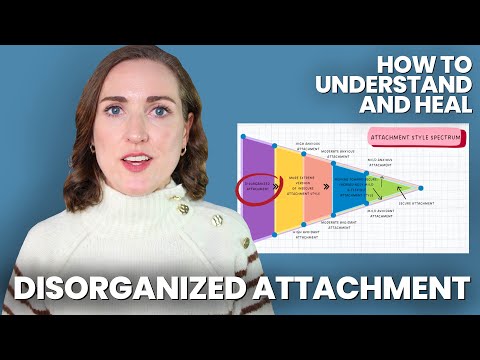
You’re in a relationship, but something feels off. You love this person, but it’s like they’re on another planet sometimes.
Ever heard of fearful or dismissive avoidant attachment styles? Yeah, these can really shake things up. One minute you’re trying to connect, and the next, they’re pulling away. Frustrating, right?
You might feel like you’re walking on eggshells or constantly questioning what you did wrong. Spoiler alert: it’s often not about you at all.
So let’s chat about what this all means. We’ll dive into the nitty-gritty of these attachment styles—why they happen and how to handle them without losing your sanity. Buckle up; it’s going to be a ride!
Building a Healthy Relationship: Navigating Fearful Avoidant Attachment Styles
Building a healthy relationship when dealing with a fearful avoidant attachment style can be, well, a bit of a journey. You know, it’s easy to get lost in that maze of emotions and fears. So, let’s break this down together.
First off, what’s a fearful avoidant attachment style? It’s kinda like being stuck between wanting closeness and fearing it at the same time. You might have experienced love and connection but also pain or abandonment in the past. So, you build walls to protect yourself. But guess what? Those walls can make getting close really tough.
Recognizing Your Patterns is super important here. You may notice that during tense moments, you pull back emotionally or even physically. It’s like you want to connect but then panic and shut down. This push-pull dynamic can confuse both you and your partner.
Then there’s communication. Oh man, it can feel awkward at times! Try to express how you’re feeling without shutting down when things get intense. Maybe say something like “I’m feeling overwhelmed right now; I need some space.” It’s all about being honest while not pushing your partner away completely.
You might also want to create safety in your relationship. This means building trust gradually. Set small boundaries that feel comfortable for you both. Little things like consistent check-ins can make a big difference! If your partner understands what makes you anxious, they can help ease those fears over time.
Another key thing is self-awareness. Recognizing when those old fears creep in is crucial. Like, do you suddenly feel unworthy or scared when things get serious? Noticing these feelings helps separate them from what’s actually happening in the relationship.
And hey, working through past trauma is often essential here too. If there are unresolved issues from earlier relationships or childhood experiences fueling your fear, consider talking to someone who can help—like a therapist or counselor who gets attachment styles and all that jazz!
Also remember that patience is key. Both for yourself and your partner! Building healthy connections takes time—lots of trial and error along the way. There will be ups and downs; just don’t lose heart if progress feels slow sometimes.
Finally, try practicing self-compassion. You’re navigating through some tough stuff! Give yourself grace when those old patterns pop up or when you’re feeling vulnerable about opening up again.
Navigating relationships with a fearful avoidant attachment style isn’t easy, but with awareness and effort from both sides, it can lead to a loving connection that’s stronger than those fears pulling at the seams. So take baby steps—you’ve got this!
Understanding Avoidant Attachment: Unraveling the Fear of Intimacy
Understanding avoidant attachment is key when we’re talking about navigating relationships, especially if you or someone you know struggles with intimacy. You see, avoidant attachment stems from early childhood experiences, where emotional needs might not have been consistently met. It creates this inner conflict—wanting connection but feeling like running away at the same time.
What is Avoidant Attachment?
Avoidant attachment typically develops when caregivers are emotionally unavailable or dismissive. As a kid, if you reached out for comfort and got brushed off or ignored, you might have learned that it’s safer to rely on yourself. This can lead to fear of intimacy later in life.
Characteristics of Avoidant Attachment:
In close relationships, people with this attachment style may struggle to open up. They often keep their partners at arm’s length and can feel overwhelmed by closeness. Here are some telltale signs:
- You find it hard to express your emotions.
- You prefer independence over relying on others.
- You may dismiss the importance of emotional connection.
- It’s common to feel uncomfortable with too much affection.
Now let’s talk about romantic relationships. If you’re in a relationship with someone who’s avoidantly attached, there can be mixed feelings. Maybe they pull away just when you’re starting to feel close. Like one time I had a friend who was dating someone amazing but kept sabotaging things because he couldn’t handle the idea of being vulnerable. It was heartbreaking watching him hesitate during moments that could’ve brought them closer.
Navigating Fearful and Dismissive Avoidant Relationships:
Getting deep into a relationship with someone who has avoidant tendencies can be tricky but not impossible! Here are some things that might help:
- Communicate openly about feelings without pressure.
- Avoid pushing for intimacy too fast.
- Create a safe environment where they can express themselves without judgment.
- Be patient as trust builds over time.
But remember, it’s also important for **you** to take care of your own needs in such a relationship! It’s easy to get caught up in trying to soothe your partner’s fears but don’t forget about your own emotional health.
Understanding Avoidant Personalities: Why They Stay in Unhappy Relationships
Avoidant personalities are really interesting. They often find themselves stuck in unhappy relationships, and it’s a pretty complex mix of feelings and fears that keeps them there.
What does it mean to be avoidant? Well, people with avoidant personality traits usually struggle with intimacy and tend to fear rejection. They might put up walls to protect themselves from getting hurt. It’s like they’re holding up a giant “Keep Out” sign even when they secretly wish someone would break through.
So why do they stay in these unhappy situations? One big reason is **fear of change**. Think about it: even if things are bad, at least they’re familiar. If you’ve ever been in a dead-end job, you might get this feeling. Even if you know it’s not right for you, leaving is scary.
Another factor is **low self-esteem**. Many avoidant folks don’t see themselves as worthy of better relationships. They often think, “Well, maybe I don’t deserve someone who treats me right,” which can lead to staying put instead of looking for something healthier.
Then there’s this thing called **emotional dependency**. It’s not uncommon for someone avoidant to feel like their partner is their only source of comfort or support, even if that partner isn’t good for them. Breaking away feels like losing everything.
Also, these individuals might have a tendency towards **rationalization**—they convince themselves that their situation isn’t so bad or that things will get better eventually. It’s almost like they’re wearing rose-colored glasses that help them ignore the reality of how unhappy they truly are.
It can be hard to break out of these patterns because frankly, leaving means facing those deep-rooted fears head-on. And hey, let’s not forget about the **pressure from social circles** or family expectations; sometimes those external voices make it tougher to leave a relationship that just isn’t working.
Ultimately, understanding these dynamics can be the first step toward creating change—both for those who identify with avoidance and their partners who may feel lost alongside them. It might take effort and support through therapy or other means, but recognizing the patterns is key to breaking free from those unhappy situations and fostering healthier connections down the line.
In short: staying in an unhappy relationship is often less about choosing someone else and more about choosing familiarity over vulnerability and fear over potential joy. Isn’t it wild how complicated our hearts can be?
It’s interesting how we all have that one friend who seems to jump from relationship to relationship, right? And then there’s the other friend who’s been on the sidelines for ages, still waiting for that perfect moment to connect with someone special. Navigating fearful and dismissive avoidant relationships can be tricky territory. It’s like walking through a maze blindfolded—one wrong turn and you might feel lost.
I remember this one time when my friend Sarah dated a guy who was super charming but had this weird way of pushing her away whenever things got deep. He’d laugh it off if she mentioned her feelings, or would suddenly change the subject. She kept questioning herself: «Am I too emotional? Am I asking for too much?» In reality, he just had a tough time with intimacy.
So, what happens in these types of relationships? Well, people with a fearful avoidant attachment style tend to crave connection but also fear it. It’s like being caught in a tug-of-war between wanting to be close and panicking at the thought of being hurt. Dismissive avoidants, on the other hand, often downplay emotional closeness altogether—they might tell you they really care about you but act like it’s no big deal. Both styles can create this push-pull dynamic that leaves everyone confused.
You know how they say that communication is key? Yeah, it totally is—but in these situations, it can feel like trying to decode hieroglyphics without a guidebook. When Sarah finally brought up her feelings after yet another dodged conversation about where their relationship was headed, he freaked out a bit. He just didn’t know what to do with her vulnerability.
If you’re in something similar, just remember: your feelings are valid! It’s crucial to find someone who can meet you at your emotional level and not run for the hills when things get real. Sure, relationships can be messy; they require patience and understanding from both sides. Though tough conversations are daunting—seriously, they are—you shouldn’t have to hide what you’re feeling.
So yeah, navigating these relationships takes work and self-awareness. If you’re feeling stuck or confused—or if you’re like Sarah and just want clarity—talking things out with someone can help clear up those complicated emotions. You deserve connections that lift you up instead of leaving you feeling small or unsure!