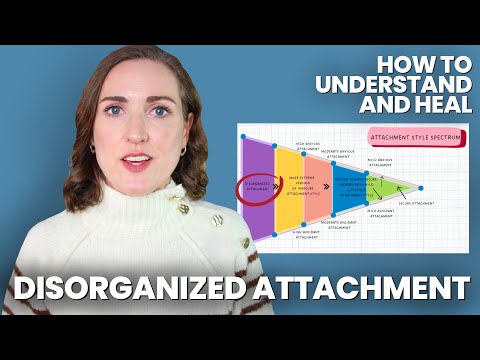
You know that feeling when you really want to connect with someone, but fear just gets in the way? Yeah, it’s tough. It’s like there’s this invisible wall between you and meaningful friendships.
Fearful avoidant friendships can be so confusing. You crave closeness but pull away at the same time. I mean, who hasn’t been there, right?
The thing is, understanding this tug-of-war can totally change the game for you. It’s not just about you. It’s about how we relate to each other in a world that sometimes feels overwhelming.
So, let’s chat about it! This isn’t some clinical breakdown; it’s just two friends having a heart-to-heart about navigating those tricky waters of fear and connection. Ready?
Understanding Fearful Avoidants: Their Impact on Friendships and Relationship Dynamics
When it comes to friendships or relationships, you might meet people who seem a bit distant or have trouble getting close. These are often folks with a fearful avoidant attachment style. This style mixes the desire for connection with deep-seated fears about it. If you’re wondering how that plays out in real life, like, let’s break it down.
People with fearful avoidant traits can experience an internal tug-of-war. On one hand, they crave intimacy and friendship. But on the other hand, they fear being hurt or rejected. It’s a tricky balance to strike! This can lead them to behave in ways that seem confusing or even frustrating to their friends.
- Withdrawal during tough times: Imagine you’ve had a rough day and reach out for support. Your friend, instead of being there for you, pulls back. They might be overwhelmed by emotional intimacy and just can’t handle it.
- Mixed signals: One minute they’re all in for plans, the next they’re ghosting you. It’s not personal but stems from their fear of closeness.
- Avoidance of deep conversations: They might change the subject when things get real—like talking about feelings or relationship stuff—because those topics feel risky.
So how do these behaviors affect friendships? Honestly, it can create a lot of misunderstandings and hurt feelings. Friends may feel rejected when this happens but it’s essential to remember that this is more about their inner struggle than anything personal against you.
Let me share a little story here: I once had a friend who was always hot and cold—super friendly one day and then cold as ice the next. At first, I thought she just wasn’t into me as a friend anymore! But after talking with her about it (kinda awkwardly), she opened up about her fears around forming close connections. That realization changed everything for me; I began to understand her patterns better—not take things personally.
Anyway, dealing with fearful avoidants isn’t always easy. If you’re close to someone like this—or want to help them—communication is key, but tread lightly! Try expressing your feelings without putting the pressure on them.
- Choose your words wisely: Instead of saying “You never want to talk,” try something like “I miss our chats.” This invites openness while not sounding accusatory.
- Create a safe space: Reassure them it’s okay to express themselves without judgment.
- Pace yourself: It might take time for them to come around fully; be patient!
Friendships with fearful avoidants can indeed blossom into something beautiful if nurtured with care and understanding! It’s all about recognizing their struggles while staying true to your needs too. Keep those lines of communication open—you never know when they’ll surprise you by letting down their guard just a little bit more!
Understanding Fearful Avoidant Attachment: Reasons Behind Their Disappearing Acts
Fearful avoidant attachment can really complicate friendships, making things feel a bit like walking on eggshells. So, what’s behind these disappearing acts? Well, it starts with how someone learned to connect with others early in life.
People with this attachment style often grew up in environments where love and support were mixed with fear or unpredictability. Imagine a kid who wants a hug but never knows if their parent will be loving or angry. That’s a lot of confusion! This creates anxiety when they build relationships later on.
1. The Dance of Closeness and Distance
You know, it’s common for someone with fearful avoidant attachment to crave connection but be terrified of it too. One minute they’re all in, and the next, poof—they vanish! It’s like they want to hold your hand but are scared you might squeeze too tight.
2. Fear of Rejection
These folks often struggle with deep fears of rejection or abandonment. They might think, “If I let you see my true self, you’ll leave.” So, when things get too personal or intense, they freak out and pull away. Picture this: You’re texting your friend about a tough week at work, and suddenly their replies stop coming—like they’ve ghosted you overnight.
3. Emotional Overwhelm
Being vulnerable can feel like standing on the edge of a cliff for someone with this attachment style. When emotions run high—whether it’s nerves from oversharing or anxiety about getting close—they may retreat to protect themselves from that overwhelming feeling.
4. Trust Issues
Trust doesn’t come easy for them either. Past experiences have taught them that people can hurt you or let you down. So when you’re trying to build a friendship filled with mutual trust and respect, they might doubt your intentions even if you’re being totally genuine.
Now let’s talk about navigating these friendships. It helps to approach them gently and patiently:
It can be tough dealing with these dynamics; sometimes it feels like an emotional rollercoaster! But understanding where they’re coming from makes navigating the emotional ups and downs just a bit easier.
In short? Fearful avoidant attachment is complex yet deeply human—just another way people cope based on their past experiences. Keep that empathy alive when faced with these friendship challenges; everyone has their own story shaped by what they’ve lived through!
Effective Strategies for Supporting a Fearful Avoidant Friend
When you have a friend who’s been labeled as «fearful avoidant,» it can be pretty tough to navigate that friendship. I mean, you want to be there for them, but their fears can make things a bit tricky. Here’s the deal: people with this attachment style often feel anxious about closeness but also crave connection. It’s like they’re stuck in a tug-of-war between wanting to be close and fearing it at the same time.
First off, understanding their feelings is crucial. Sometimes, your friend might pull away just when you think things are going well. That can be really confusing! Remember, it’s not personal; it’s how they cope with anxiety in relationships. A little empathy goes a long way here.
Another key point is being patient. Seriously, patience is your best friend in these situations. These folks might take their sweet time warming up to new situations or connections. So don’t rush things. Encourage them in small steps instead of overwhelming them with big plans or expectations.
And then there’s the whole idea of creating a safe space. You want your friend to feel comfortable sharing their thoughts and feelings without judgement. That means listening more than talking sometimes and letting them know that it’s totally okay to express themselves at their own pace.
Also, encourage open communication. It might help if you say something like, “Hey, I’m here whenever you want to talk,” or “It’s alright if you need some time alone.” Being clear about your support can help lessen their fears about opening up to you.
Sometimes doing something low-pressure together can help too! Think along the lines of having coffee or watching movies instead of putting them on the spot at crowded events or parties. Taking baby steps helps build trust over time without making them feel overwhelmed.
Another thing? Respecting boundaries is key! If they say they need space, take that seriously. Overextending yourself may push them further away rather than drawing them closer.
Lastly, encourage professional help if they seem open to it. You can gently suggest that talking to someone trained could really help them sort through those tangled feelings they’ve got about intimacy and connection.
Just remember: being there for someone who struggles with fear of intimacy takes time and effort but seeing your friend grow in trust will definitely make it all worth it in the end! Each little step forward is a win—celebrate those moments together!
You know, friendships can be kind of a rollercoaster ride, right? Especially when you’re dealing with someone who has a fearful avoidant attachment style. It’s like walking on eggshells sometimes! I remember this one friend, let’s call her Emily. She was someone I really connected with, but when things got too close, she’d disappear like a ghost. Super confusing!
Basically, a fearful avoidant person craves closeness but is also terrified of it. You want to be there for them, but then they shut down emotionally and kind of push you away. It’s not personal—it’s just their way of coping with past baggage and trust issues. But man, it makes the whole friendship thing tricky.
You might invite them out or try to chat about deeper stuff, and often they’ll just pull back or go silent for days. Right? It can feel super frustrating because you’re left wondering if you did something wrong or if they even care. It’s important to remember that they might be struggling with their own fears about intimacy and vulnerability.
And here’s the kicker: it’s essential to give them space when they need it. I’ve learned that being patient is key. Sometimes, just sending a quick message saying you’re there if they need anything can make a huge difference without pushing them too hard.
But also look out for yourself! Just because they have fears doesn’t mean you should ignore your own needs in the friendship. Setting boundaries is so important too—it’s not about cutting ties; it’s more about making sure you’re both in a healthy place.
Navigating these friendships takes time and understanding, but it can be really rewarding when you foster that connection in small ways. So yeah, keep the lines open and create an environment where both of you feel safe to share—even if it’s one little step at a time.