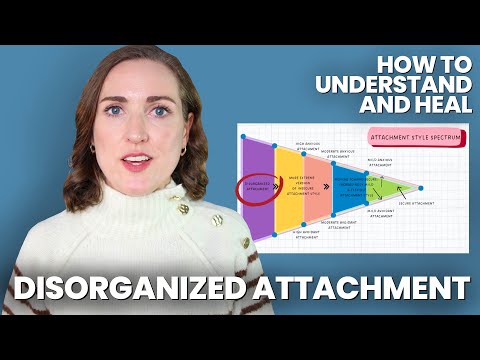
You know that feeling when you really like someone, but for some reason, you just can’t get close? Like, you’re drawn to them but also kinda terrified? That’s the vibe with fearful avoidant attachment.
It’s a tricky mix of wanting connection but being scared of it at the same time. Many of us have been there. Seriously, it can mess with your mind and relationships in ways you’d never expect.
But what does that even mean for your day-to-day life? Let’s break it down, because understanding this stuff can make a huge difference in how we connect with ourselves and others. So, stick around!
Understanding Fearful Avoidant Attachment: Exploring Associated Mental Health Challenges
Fearful avoidant attachment is a fascinating yet complex topic in psychology. So, let’s break it down a bit. Basically, this attachment style is like holding a delicate balance between wanting closeness and fearing it at the same time. You might find yourself in relationships where deep connections feel both enticing and terrifying.
To explain it better, think about a time when you really liked someone but were terrified they’d reject you. That’s how someone with this attachment style might feel. On one hand, they crave intimacy; on the other hand, they’re scared of getting hurt—so they pull away or act distant.
The roots of fearful avoidant attachment often lie in childhood experiences. Kids who have inconsistent or frightening caregivers might develop this style because they never really know if their needs will be met. One minute, there’s affection; the next, there’s emotional unavailability or even neglect.
Here are some common traits associated with fearful avoidant attachment:
- Intense anxiety about relationships.
- A strong desire for connection balanced with fear of being vulnerable.
- Tendency to push people away when things get too close.
- Difficulty trusting others due to past trauma.
- Conflicted feelings about intimacy—loving it but also feeling suffocated by it.
These traits can lead to some serious mental health challenges. For instance, anxiety disorders often accompany this attachment style. Imagine feeling anxious every time your partner texts you; worrying if they’re upset can be exhausting! There’s also a higher risk of depression since consistently pushing people away can lead to isolation.
Let me share a thought here: have you ever noticed how your mood can dip when you start fearing that someone important might leave? It’s tough. The emotional rollercoaster becomes not just something that happens occasionally but almost feels like an everyday reality.
Therapeutic approaches can help individuals with fearful avoidant attachment navigate these feelings. Therapies like cognitive-behavioral therapy (CBT) focus on reshaping negative thoughts and beliefs about relationships. This helps in understanding that vulnerability doesn’t always lead to pain; sometimes, it leads to deeper bonds!
Another great approach is schema therapy which targets underlying patterns developed from those early experiences I mentioned earlier. It encourages individuals to reflect on their past and identify how these patterns affect their current relationships.
In closing, understanding fearful avoidant attachment isn’t just about labeling behavior; it’s about recognizing the struggles that come with it and finding pathways toward healthier connections. If you or someone you know relates to this experience, reaching out for support isn’t just okay—it’s more than alright! After all, everyone deserves love without fear getting in the way.
Overcoming Fearful Avoidant Attachment: Practical Strategies for Healing and Healthy Relationships
Fearful avoidant attachment can feel like a rollercoaster ride, you know? One minute, you’re craving closeness and the next, you’re backing away from anything that feels too intense. It’s all rooted in how we connect with others and can really affect your relationships. So, if this sounds familiar, don’t worry; there are ways to work through it.
Understanding Your Attachment Style is the first step. Fearful avoidant attachment usually comes from early experiences—like having caregivers who were unpredictable or erratic. You might find yourself wanting love but feeling terrified at the same time. It’s kind of like wanting to jump into the ocean but being scared of the waves.
Now, let’s talk about some practical strategies for healing.
The importance of therapy can’t be overlooked either! A therapist knowledgeable about attachment theory can guide you through identifying your patterns and provide techniques tailored to your needs.
Here’s a thought: emotional ups and downs are part of life, right? So when those feelings hit hard—like anxiety bubbling up during deeper conversations—try not to shy away from them completely. Instead, maybe take a step back and breathe before deciding how to act.
And remember that healing takes time! No magic wand here—just gradual progress along the way will lead to healthier relationships built on trust rather than fear.
So yeah, overcoming fearful avoidant attachment isn’t an overnight fix—it’s more like gardening; nurture yourself little by little until you begin seeing blossoms of connection flourish in your life!
Understanding the Mind of a Fearful Avoidant: Exploring Emotions and Behavior Patterns
Fearful avoidant attachment, huh? It’s a pretty interesting topic that dives deep into how people relate to others based on their past experiences. Imagine growing up with caregivers who were sometimes warm and loving, but then other times unpredictable or even scary. This creates a bit of a mess, emotionally speaking.
People with a fearful avoidant attachment style often want connection but are also super scared of getting hurt. It’s like they’re caught in this tug-of-war in their minds. You might see them push people away even when they crave closeness.
So, let’s break down some of the key emotions and behaviors tied to this attachment style:
- Fear of Intimacy: They really want to connect but fear being vulnerable. Like if you’ve ever noticed someone pull back when things get too close or personal—that’s it!
- Low Self-Esteem: These folks often struggle with feelings of unworthiness. They might think, “Why would anyone love me?” This internal dialogue can be tough.
- Avoidance and Clinginess: It’s kind of ironic—one minute they might be totally distant, and the next they could seem clingy because they genuinely want to feel safe.
- Mistrust: They often find it hard to trust others fully. If you’ve seen someone hesitate before sharing something personal, that’s a sign.
- Anxiety in Relationships: These emotions can create major anxiety when it comes to forming or maintaining relationships. Ever feel your heart race just thinking about a first date? That might be similar.
Let me share a little story here that brings this to life: Think about Sarah, who had an awesome childhood but with some wild ups and downs at home. One minute her parents were giving her hugs; the next, they were yelling or acting cold. As an adult, she finds herself dating people she likes but freaks out when they get too close—like seriously backs away at the hint of commitment. It’s heartbreaking for her because deep down she wants love just like anyone else!
The key thing is understanding that these patterns come from those early experiences—it’s not just about being difficult or standoffish. The emotional rollercoaster makes sense if we look at the backstory.
So what can help someone with this fearful avoidant style? Well, therapy can play a huge role! Talking through these feelings with someone—like a therapist—can really shed light on those confusing emotions and develop healthier ways to connect with folks.
In short, fearful avoidant attachment is all about wanting love while fearing it at the same time—it’s complicated! By recognizing these patterns in ourselves or others, we open doors to healing and healthier relationships down the line.
Fearful avoidant attachment can be a bit of a tangled web, you know? It’s that push-pull dynamic where someone craves closeness but, at the same time, is terrified of it. Imagine you’re at a party, and there’s that one person who hovers near the snacks but flinches whenever someone approaches. They want to join in the fun but can’t shake off the feeling that it might all go wrong. It’s complex, really.
Growing up in an environment where love was inconsistent or even scary can lead to this kind of attachment style. You might have had caregivers who were loving one moment but critical or distant the next. So, you learn to keep your distance emotionally, thinking “Hey, if I don’t get too close, I won’t get hurt.” But then there’s this gnawing feeling inside that says you want connection.
I remember a friend of mine who always had this internal conflict. She’d flirt with a guy she liked but then back off if things started getting serious. It was like watching someone dance on hot coals—she wanted to get closer but was terrified of stepping into the fire, so to speak. It wasn’t just about relationships; it seeped into friendships and family ties too.
This style can create all kinds of challenges in your mental health as well. People may find themselves really anxious about being rejected or abandoned. Like, they might sabotage relationships before they even go anywhere because they’re convinced they’ll get hurt eventually. It’s exhausting! They oscillate between wanting intimacy and needing space, which can leave both them and their partners feeling pretty confused.
But here’s the thing—recognizing this pattern is often the first step toward change. Therapy can be super helpful in unpacking these feelings and learning how to navigate those fears. Sometimes it just takes someone saying: «Hey, it’s okay to want connection; let’s figure out how you can feel safe getting it.»
Realizing your attachment style doesn’t mean it’s all doom and gloom either—it means starting on a path towards healthier relationships. And while it might feel overwhelming at times, understanding those childhood experiences can help make sense of present-day struggles. So yeah, whether it’s through therapy or just opening up with trusted friends, breaking down those walls is totally possible with some effort and support!