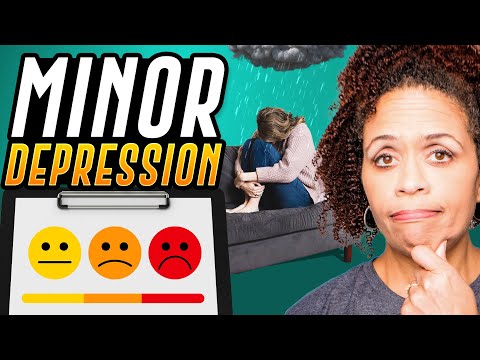
You know, depression can be a real sneaky beast. One minute, everything feels okay, and the next, it’s like a gray cloud just settled over your head. Seriously, it can hit you out of nowhere.
But here’s the deal: recognizing the signs is super important. Sometimes it feels like you’re stuck in a fog, and it’s hard to even see what’s going on inside your own head.
That’s why letting yourself know the key features can make all the difference. It helps you understand what you’re feeling or maybe even help someone else who might be dealing with it.
So let’s break this down together. It might feel heavy to think about at first, but trust me, it’s worth it.
Exploring the Four Key Causes of Depression: Understanding Mental Health Challenges
Depression can feel like a heavy weight sitting on your chest, right? You wake up, and it’s like the world’s lost its color. Understanding what causes this feeling can be a game changer. So let’s break down the four key causes of depression.
1. Biological Factors
There’s a lot going on in your body that affects how you feel. Genetics play a role – so if your parents struggled with depression, you might too. Neurotransmitters like serotonin and dopamine are huge players in this game. You know, when these chemicals are off balance, it can lead to feelings of sadness and hopelessness.
2. Psychological Factors
Your thoughts definitely have power over your mood. Cognitive patterns, like negative thinking or poor self-esteem, can keep you stuck in a bad place. Imagine getting stuck in your head after making a mistake at work – replaying that moment over and over? It’s exhausting! That’s where cognitive therapy comes in handy to help shift those thought patterns.
3. Environmental Influences
Life situations can really make or break your mental health too. Stressful events like losing a job or going through a breakup can trigger depression for some folks. You know how sometimes life just throws curveballs at you? If you’re already under stress from, say, family issues or financial struggles, it can feel impossible to cope.
4. Social Factors
We’re social creatures; connection matters! Feelings of isolation or loneliness can be major contributors to depression as well. If you’ve ever felt left out during gatherings or noticed fewer friends around when times get tough, it makes sense why you’d feel down sometimes.
Recognizing these causes is key because they help pave the way for healing and understanding yourself better. Each individual’s situation is unique; what drags one person down might not affect another in the same way. Understanding this stuff helps clear the fog and often points toward pathways for recovery.
So yeah, if you’re feeling that heaviness – remember that you’re not alone in this battle against depression and there are ways to navigate through it!
Comprehensive Guide to Understanding and Taking a Depression Test: Signs, Symptoms, and Insights
So, you’re curious about depression tests? That’s a pretty important topic. Understanding depression is the first step toward tackling it. Let’s break down what you need to know.
Signs and Symptoms of Depression
Depression can look different on everyone. Some folks might be feeling really down, while others are just kind of going through the motions. Here are some common signs:
- Persistent Sadness: This isn’t just a bad day; it’s more like a cloud that won’t lift.
- Lack of Interest: Things that used to light you up, like hanging out with friends or hobbies, just don’t have the same spark.
- Fatigue: You feel tired all the time, even after getting enough sleep. It’s almost like lifting your head feels too heavy.
- Changes in Appetite: You might be eating way more or way less than usual—whatever feels comfortable.
- Sleep Issues: Are you sleeping too much? Or maybe not enough? Both can be signs of depression.
If you’re nodding along with some of these, you’re not alone. A friend of mine once shared that he couldn’t enjoy his favorite video games anymore; they used to be his escape, but suddenly they felt pointless. That loss can be tough to swallow.
Taking a Depression Test
A depression test is basically a set of questions designed to help identify whether you’re experiencing symptoms consistent with depression. It’s not a diagnosis but more like a gauge to see where you’re at emotionally.
The most common types include questionnaires like the PHD-9, which has nine questions scoring how you’ve been feeling lately. It covers things from mood to energy levels. You answer on a scale from “Not at all” to “Nearly every day.” Pretty straightforward!
Your Results and What They Mean
The scores can indicate different levels of severity: mild, moderate, or severe depressive symptoms. A higher score usually means more symptoms are present, which could prompt you to seek help from a mental health professional.
This always reminds me of my cousin who took a test out of curiosity and found out she scored pretty high in symptoms—she thought she was just having an off month! But it turned out she needed support more than she realized. Sometimes those tests shed light on what we might push aside.
The Importance of Professional Guidance
If you do take one and your scores suggest something concerning, it’s super helpful to chat with someone who knows their stuff—like a therapist or doctor. They can dive deeper into what you’re feeling and suggest next steps.
In short, taking an understanding approach when dealing with depression is key! Recognizing signs within ourselves or people we care about is so crucial because mental health matters as much as physical health does!
If this resonates with you or someone close by, consider reaching out for support—it’s okay to ask for help!
Effective Strategies for Depression Treatment: A Comprehensive Guide to Mental Wellness
When it comes to tackling depression, it’s crucial to know that you’re not alone. Seriously, tons of people are right there with you, feeling the weight of the world on their shoulders. Recognizing what depression looks like is the first step toward healing. So let’s break it down and chat about effective strategies that can help lift that heavy fog.
Understanding Depression
Depression isn’t just feeling sad sometimes. It can show up as a constant low mood, loss of interest in activities you once loved, or even physical symptoms like fatigue and changes in appetite. It’s important to check in with yourself or someone close to see if these signs are popping up.
Professional Support
Finding a good therapist can be a game-changer. Therapists use various methods like Cognitive Behavioral Therapy (CBT), which focuses on changing negative thought patterns. You might feel nervous about opening up to someone at first—like one time I was really hesitant about sharing my feelings during therapy—but those conversations can bring a ton of clarity.
Medications
Sometimes, medication can give your brain the boost it needs. Antidepressants work by balancing chemicals like serotonin in your brain. Keep in mind that finding the right medication takes time and patience; it’s not always a one-size-fits-all situation.
Self-Care Practices
Now, self-care is where things get personal! Simple things like maintaining a routine, eating well, and exercising can work wonders for your mood. Remember the last time you went for a walk? Fresh air does wonders! What happens is that physical activity releases endorphins, which makes you feel happier—so why not fit more of that into your day?
Mindfulness and Meditation
Practicing mindfulness helps ground you in the present moment rather than spiraling into negative thoughts about the past or future. Try starting with just five minutes of focused breathing each day; it’s simpler than it sounds! You might notice how quickly those moments turn into something calming amidst chaos.
Social Support
Don’t underestimate the power of talking to friends or family! Sometimes just sharing what you’re going through can lighten your load a bit—kind of like letting off steam from a boiling pot. Even if they don’t have answers for you, knowing someone cares makes all the difference.
Consistency is Key
Stick with what works! Mental health isn’t solved overnight; it’s more like getting fit—you gotta keep at it regularly for lasting results. If something isn’t working after giving it some time, reaching out for help again might be necessary.
Remember: healing from depression takes time and effort—it’s definitely not linear either; there will be ups and downs along the way. Be patient with yourself as you navigate this journey toward mental wellness!
You know, depression can be a tricky thing to spot. Like, sometimes people think it’s just feeling sad or down. But honestly? It’s way more complex than that. I remember this one time when a friend of mine seemed fine on the surface, you know? Always smiling, cracking jokes. But underneath, she was really struggling—totally burnt out and hopeless. It was like she was wearing a mask.
So, what are the key features of depression? Well, it’s not just about feeling sad all the time. You might feel a sense of emptiness that just won’t go away. It’s like being in a fog where nothing really matters anymore and that joy you once felt just fades into the background. Sounds harsh, right?
Another thing to keep an eye out for is changes in sleep patterns—some folks might sleep too much while others can’t catch even a wink. You could also notice shifts in appetite, whether that means eating everything in sight or barely touching your favorite foods.
And then there’s this overwhelming sense of fatigue; it’s not the kind you shake off with a cup of coffee. Instead, it feels like every little task—from brushing your teeth to getting dressed—turns into climbing Mount Everest.
People often don’t realize that depression can also mess with how you think. It clouds your mind and makes it hard to concentrate or make decisions. Imagine trying to run on empty; that’s what it’s like.
It’s also important to talk about how isolation often creeps in uninvited. You might start pulling away from friends and loved ones because you feel they wouldn’t understand—or worse yet, you feel like you’re dragging them down with your problems.
You see? Depression is like this uninvited guest that hangs around for far too long and doesn’t let you enjoy life as it should be lived—full of laughter and connection.
Recognizing these signs is super crucial—not just for yourself but for those around you as well. It’s one of those things where awareness can make all the difference in getting help earlier rather than later. So if anything here resonates with you or someone else, reaching out can be such a brave step towards feeling better!