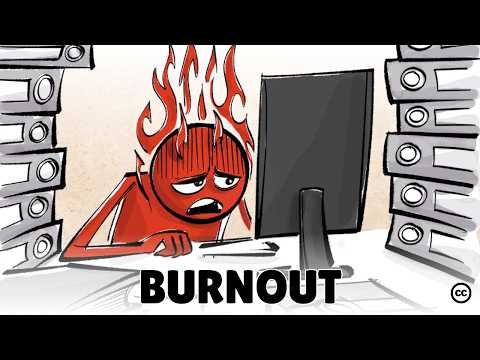
So, you know that feeling when work just feels, like, endless? You wake up already tired. Your to-do list seems to grow instead of shrink. That’s burnout creeping in, my friend.
It’s not just about being overworked; it messes with your mind too. Seriously, the emotional toll can be rough. You’re not alone in this struggle. A lot of folks are right there with you.
Let’s chat about what burnout really is and how it can twist your thoughts and feelings. You’re gonna want to stick around for this one!
Understanding Workplace Burnout: Strategies for Enhancing Mental Health and Well-Being
Burnout is like that annoying background noise you can’t quite shake off, right? It creeps in slowly at work, making you feel like you’re running on empty. And let’s be real for a second—work can feel overwhelming, especially if you’re juggling deadlines, emails, and meetings. So, what’s really going on with burnout?
Workplace burnout is a state of emotional, physical, and mental exhaustion caused by prolonged stress. It can make even the simplest tasks feel like climbing a mountain. You know that feeling when you just want to curl up in bed with your favorite blanket? That’s your mind screaming for a break.
There are some telltale signs that might help you realize when you’re headed towards burnout:
- Feeling drained or exhausted most of the time.
- A sense of hopelessness about your work.
- Diminished performance or productivity.
- Increased cynicism or detachment from colleagues.
Picture this: You’re working late every night to keep up but still feel like you’re falling short. One day, you snap at a coworker over something trivial. That’s stress bubbling over into burnout territory.
So what can you do about it? Here are some strategies to enhance your mental health and well-being at work:
- Set boundaries: Know when to say no. If taking on more tasks pushes you over the edge—it’s okay to decline.
- Take breaks: Seriously! Short breaks throughout your day can work wonders. Step outside for fresh air or just stretch for a few minutes.
- Pursue balance: Create some distance between work and home life. Make time for hobbies or activities that recharge your batteries.
- Seek support: Talk to someone! Whether it’s friends, family, or coworkers—sharing feelings can lighten the load significantly.
Let me tell ya about Sarah—a friend who was totally wiped out from her job in marketing. She kept getting more responsibilities piled on her plate and felt trapped like she was stuck in quicksand. Eventually, she opened up to her manager about how she was feeling; they worked together on prioritizing her tasks and even brought in an intern to help out! Just that small change made such a difference in Sarah’s mindset.
Recognizing when you’re burning out is key. It doesn’t mean you’re weak; it means you’re human! It’s all about understanding that we all need a break sometimes.
And remember: **taking care of yourself isn’t selfish**, it’s necessary. Getting through the day should not feel like an uphill battle—and there are ways to make it better! Stay aware of how you’re feeling and don’t hesitate to reach out for help when needed; trust me—it makes all the difference!
Conquering Burnout: Effective Strategies to Revitalize Your Well-Being Without Leaving Your Job
Burnout is like that annoying fog that creeps in when you’re pushing yourself too hard at work. You know, those days where you feel exhausted come 3 p.m., and it seems each task takes twice as long? Yeah, that’s burnout, and it can seriously mess with your mental health.
So, here’s the thing: if you’re feeling fried but still want to keep your job, there are some steps you can take to refresh your energy without tossing in the towel. Here’s a little roadmap for navigating through this tough time:
1. Set Boundaries: It sounds simple, but saying “no” can be a game changer. If you’re constantly stretched thin by extra projects or late-night emails, try to carve out some time just for yourself. This might mean leaving work on time—imagine that! You deserve it.
2. Take Mini-Breaks: Seriously, don’t underestimate the power of a quick break! Whether it’s a five-minute walk or just stepping away from your desk to breathe deeply, those little pauses can help reset your mind. Even grabbing a cup of coffee and chatting with a colleague about something light can make a difference.
3. Find Meaning in Your Work: Think back to why you took your job in the first place. Sometimes reconnecting with what excites you about your work can reignite passion and motivation. Maybe there’s a project that really speaks to you? Focus on that!
4. Practice Mindfulness: It might sound like buzzword nonsense, but mindfulness techniques—like meditation or focusing on your breath—can really ground you during stressful moments. Just being present helps clear out that mental clutter.
5. Seek Support: Don’t go through this alone! Talk to someone who gets it—a friend or maybe even colleagues who feel similarly burned out. You’d be amazed at how sharing experiences lightens the load.
Remember Susan from accounting? She was drowning in deadlines and feeling utterly defeated until she decided enough was enough! By setting boundaries and prioritizing self-care—even just taking short walks at lunchtime—she slowly climbed out of her burnout pit while keeping her job and regaining her joy for work.
6. Adjust Your Workload: If possible, have an open conversation with your supervisor about managing your workload better. Be honest about how you’re feeling; sometimes they may not realize how much is on your plate!
7. Prioritize Well-Being Outside of Work: Make sure you’re engaging in activities outside of work that fuel your happiness—whether it’s exercising, pursuing hobbies, or hanging out with loved ones helps keep burnout at bay.
If you’ve found yourself feeling overwhelmed by job-related stress lately—and who hasn’t?—it’s crucial not just to manage those feelings but also to actively push back against them so they don’t consume you whole.
Remember: conquering burnout is an ongoing journey, not something you’ll fix overnight. With small shifts over time—and maybe even some shifts in mindset—you’ll find yourself revitalized and ready to take on whatever comes next without losing sight of what truly matters: *you*.
Understanding the Impact of Burnout in the Workplace: Causes, Effects, and Solutions
Burnout in the workplace is, like, a really heavy topic that affects so many people. Basically, it’s not just feeling tired after a long day. It’s an overwhelming sense of exhaustion and detachment that can impact your mental health and overall well-being. The thing about burnout is that it builds up slowly. At first, you might feel stressed or overwhelmed, but if those feelings are ignored or unresolved, they can spiral into burnout.
So what causes this? Well, let’s break it down:
- Excessive workload: When your to-do list feels more like a never-ending saga than manageable tasks.
- Lack of control: Feeling like you have no say in your work situation can eat away at your motivation.
- Poor workplace relationships: Toxic colleagues or insufficient support from management can leave you feeling isolated.
- Unclear job expectations: If you’re unsure of what’s expected from you, anxiety can kick in. It’s like wandering through fog without a flashlight.
And let’s not forget those factors outside of work too. Personal stressors like family issues or financial worries can add layers to that burnout cake!
Now let’s talk about how it shows up in life. Burnout can zap your energy and enthusiasm for work or even life outside of it. You might find yourself feeling cynical about your job or disconnected from your coworkers. Seriously, when I think back to my friend Jake who used to love his job at the marketing firm—he was excited about brainstorming sessions and company outings—but then he got swamped with deadlines and felt unappreciated. Eventually, he hated going to work and even showed signs of depression.
Some common effects include:
- Physical symptoms: Fatigue, headaches, sleep disturbances—it’s exhausting just thinking about it!
- Mental health issues: Increased anxiety levels or depressive symptoms can creep in when burnout sticks around.
- Reduced performance: It’s super hard to be productive when you feel like a rag doll tugged in all directions.
But here’s the kicker: while burnout feels awful, there are ways to cope with it! Solutions exist both on an individual level and within workplaces.
For individuals:
- Create boundaries: Learn to say no sometimes! Yes, it’s okay if you can’t take on every project thrown your way.
- Self-care is key: Find time for activities that recharge you—whether it’s reading a book or going for a walk.
- Talk it out: Don’t hesitate to chat with someone—friends, family, or even therapists—about what you’re feeling.
On an organizational level:
- Praise efforts: A simple “thank you” goes a long way! Letting employees know their hard work matters boosts morale.
- Create support systems: Encourage open communication and create resources for mental health support.
- Pace workloads realistically: Ensure everyone has enough breathing room so they don’t feel crushed under pressure!
Burnout doesn’t have to be the last chapter of your story at work. Remember Jake? After talking openly with his manager about how he was feeling—and getting some help—he started taking small steps toward balance again. He wasn’t climbing the corporate ladder every second anymore but felt much more alive because he learned how crucial taking breaks were.
So if you’re experiencing burnout—or know someone who is—don’t brush it off! Addressing it head-on can lead toward finding relief and reclaiming joy at work again.
Burnout at work, man, it’s a real struggle. You might be feeling overwhelmed and drained, like you’re just going through the motions. I mean, we’ve all had those days where you wake up dreading the thought of facing emails or meetings. Maybe you’ve even felt like your little spark has just fizzled out completely.
A friend of mine went through this recently. She was juggling deadlines, a demanding boss, and personal stuff too—it’s no wonder she started feeling completely defeated. It’s pretty common nowadays, right? You push yourself hard; maybe it feels like you’re on this hamster wheel where no matter how fast you run, you’re not getting anywhere.
This burnout is tricky because it doesn’t just mess with your work life; it creeps into your personal space too. You might notice that irritability kicks in more often or that you’re snapping at people over the smallest things. Seriously, one minute you’re fine and then—bam!—something minor hits you the wrong way and boom… there’s frustration boiling over like a pot left on a hot stove.
Psychologically, this whole experience can lead to anxiety and even depression for some folks. When you’re constantly stressed, your brain reacts in ways that can make you feel trapped in this cycle of negativity. It’s like you’re wearing glasses with smudges—you can’t see clearly anymore.
So what do we do about it? First things first: recognizing burnout is key. Just saying, “Hey! I’m feeling burnt out!” can be surprisingly freeing—like taking off those smudged glasses! Then creating some boundaries becomes super important too. Whether it’s saying no to extra projects or carving out time for self-care—even if it’s just a few minutes with a good book or some chill music—I mean like really taking time to breathe.
Look, everyone deserves to show up as their best selves at work and home. But when burnout hits? It’s okay to reach for help or talk it out with someone who gets it—whether that’s buddies or even talking to a pro if it feels heavy enough. You’re not alone in this! So next time work feels like climbing Mount Everest without any gear, take a step back and check in with yourself—you got this!