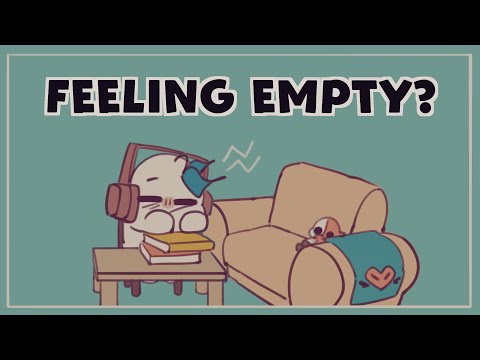
You know those days when your mind feels like a foggy mess? Like, you can’t focus on anything? It’s frustrating, right?
You might be scrolling through your phone, staring blankly at the wall, and just…nothing. It’s like being stuck in slow motion.
It doesn’t mean you’re broken or that something’s wrong with you. Mental numbness happens to a lot of us. Seriously, it’s more common than we think.
Sometimes it’s just life piling up on our shoulders—stress from work, relationships, or even just keeping up with the world.
Let’s talk about what that feels like and how to clear some of that fog. You’re not alone in this!
Understanding Numbness: The Emotions Behind Emotional Detachment
Numbness can be a pretty confusing experience. You know, that sensation where everything feels dull? Almost like you’re watching life from behind a thick glass pane? It’s not that you don’t have feelings; it’s just that they sometimes seem unreachable or muted. Seriously, it’s frustrating when your emotions decide to hit the snooze button.
You might notice this emotional detachment creeping in when life gets overwhelming. It could happen after a traumatic event, during ongoing stress, or even when you’re just trying to get through the day-to-day grind. Think about a time when you felt totally drained—like after a really tough breakup or losing your job. You kind of go into autopilot, right? That’s numbness kicking in.
So, what causes this feeling of being out of touch with your emotions? Well, here are some things to consider:
- Trauma: If you’ve gone through something really hard—like an accident or loss—you might shut down emotionally as a way to protect yourself.
- Chronic Stress: Constantly feeling stressed can wear you down over time and lead to this sense of emotional detachment.
- Mental Health Conditions: Conditions like depression and anxiety often come with numbness. They can twist your perspective and make it hard to feel anything deeply.
- Burnout: Excessive work demands or caring for others without proper self-care can zap your energy and make you feel emotionally flat.
You see, numbness is often a defense mechanism. Your brain is trying to help you cope with pain or stress by switching off those intense feelings for a bit. But here’s the thing: while it makes sense in the moment, living in this state isn’t exactly sustainable.
Being detached doesn’t mean you’re broken; it simply means you’re human! I remember talking to a friend who felt completely overwhelmed after going through some health issues. She mentioned feeling like she was just «there» but not present at all—everything felt hazy and distant. That was her brain’s way of coping.
Now, breaking free from this state isn’t always easy but can definitely be done! Here are some gentle ways to start reconnecting:
- Talk About It: Sometimes just voicing how you’re feeling—like chatting with friends or seeing a therapist—can make a difference.
- Practice Mindfulness: Techniques such as meditation help ground you in the present moment and slowly bring back those lost feelings.
- Engage in Activities: Pushing yourself gently into hobbies or interests that once excited you can reignite some of those emotions.
- Self-Care: Make sure you’re taking care of your physical body too! Eating well and getting enough rest helps set the stage for emotional recovery.
Emotional numbness might feel isolating, but remember—you’re not alone in this experience. A lot of people go through similar phases during tough times. If you’re feeling stuck, reaching out for support could really open up pathways back to feeling more grounded and connected.
So yeah, understanding what’s behind that numb feeling is key to figuring out how to navigate your emotions again! Just take it one step at a time, and don’t hesitate to lean on others while finding your way back.
Understanding Emotional Numbness: Causes, Effects, and Ways to Reconnect with Your Feelings
Feeling emotionally numb can be one of the weirdest and loneliest experiences. You know, it’s like you’re there, but you just can’t really feel anything. It’s not just about pretending to be okay; it’s more like being on autopilot in your own life. Let’s break down what causes this funky state, how it affects you, and some ways to get back in touch with those feelings.
Causes of Emotional Numbness
- Trauma: Sometimes, when we go through something really tough—like losing someone we love or facing a serious accident—our brain sort of shields us from the pain. This can lead to feeling numb as a way to cope.
- Anxiety and Depression: They can bring on that heavy blanket of emotional numbness. When everything feels overwhelming or hopeless, you might just stop feeling altogether.
- Stress: Chronic stress can wear you down. If you’re constantly juggling work, relationships, and personal issues, feeling numb might become your go-to reaction.
- Certain Medications: Some meds for depression or anxiety have side effects that include emotional blunting—where you feel less overall.
The thing is, these causes aren’t always obvious. Perhaps one day you realize you’re just going through the motions without any real sensations behind your actions.
Effects of Emotional Numbness
- Difficult Relationships: When you’re not feeling much inside, it gets tough to connect deeply with other people. Friends might notice something’s off and wonder why you’re so distant.
- Lack of Enjoyment: Those things that used to make you smile? They might seem dull now. Whether it’s hobbies or time spent with loved ones, nothing feels quite right.
- Poor Mental Health: Numbness isn’t usually a stand-alone issue; it often leads to further mental health challenges if not addressed properly.
You know someone who shares their highs and lows with you? Imagine if they only ever talked about the “meh” moments. That’d be hard for them—and for you too!
Ways to Reconnect with Your Feelings
- Acknowledge What You Feel: Start by recognizing that being numb is your brain’s way of coping. Accepting this is key before moving forward.
- Journaling: Writing down your thoughts can help surface feelings that are buried deep inside. Start simple—a few sentences about what happened today even if it seems blah at first.
- Meditation or Mindfulness: These practices help bring awareness back into your body and mind. Just five minutes a day can create space for feelings to bubble up again.
- Talk Therapy: Sometimes getting an outside perspective helps peel back those layers of numbness. A therapist can guide you gently toward confronting emotions you’ve pushed aside.
- Create New Experiences: Go try something different! New activities might spark emotions and pull at those heartstrings again in unexpected ways.
If you’re feeling this way, remember: connection isn’t lost forever! It takes time and effort—but gradually letting yourself experience feelings can lead to brighter days ahead.
Just take one small step at a time!
10 Effective Strategies to Overcome Emotional Numbness and Reconnect with Your Feelings
Emotional numbness can feel like living in black and white. It’s that weird sensation where, like, you’re just going through the motions but without really feeling anything. You might have experienced this after a tough breakup or even during times of major stress. So how can you shake off this fog and truly reconnect with your feelings? Here are some strategies that can really help.
1. Acknowledge Your Numbness
First off, recognizing that you feel numb is huge. Denying it won’t make it disappear, right? Just sit with those feelings for a moment. Think about when it started and what triggered it.
2. Get Moving
Exercise is a fantastic way to reconnect with your body and emotions. When you work out, your brain releases endorphins, which are basically happiness boosters. Even a short walk can help clear your mind and bring back those feelings.
3. Journaling
Writing down what you’re feeling—or even what you’re not feeling—can be cathartic. Just put pen to paper without worrying about grammar or structure. It’s all about getting those thoughts out there! You might be surprised at how much clarity comes from just letting it flow.
4. Practice Mindfulness
Mindfulness means being present in the moment without judgment—like being aware of your thoughts and emotions as they come and go. Try meditation or focusing on your breath for a few minutes daily. Seriously, it’s like giving your brain a little vacation from all the chaos!
5. Connect with Nature
Spending time outdoors can be super grounding. Whether it’s hiking in the woods or chilling by the beach, nature has this magical way of stirring emotions up inside you again.
6. Talk About It
Sometimes just chatting with someone else helps get those feelings flowing again. This could be a best friend or even a therapist who totally gets what you’re going through.
7. Engage in Creative Outlets
Art, music, dance—whatever calls to you! Creativity lets you express emotions that might be hard to verbalize otherwise. So grab some paintbrushes or put on your favorite tunes and just let loose!
8. Limit Social Media
Scrolling through social media can sometimes make emotional numbness worse because everyone seems so happy all the time, right? Taking breaks from online platforms gives your mind space to breathe and feel again.
9. Create Routines
Establishing daily routines brings structure to chaos which can make a big difference in how grounded you feel emotionally—like having set times for meals, work, or relaxation.
10. Seek Professional Help If Needed
Don’t hesitate to reach out for help if you’re struggling too much on your own. Therapists are trained to guide people through these rough patches—they’re here to help, not judge!
These strategies aren’t one-size-fits-all; finding what works for you may take some time and experimentation—so don’t stress over it! Reconnecting with your feelings creates space for healing and growth; it’s definitely worth the effort!
You know those days when you just feel… well, numb? Like you’re moving through a fog and nothing seems real or important? I remember a time when everything felt muted, as if I was watching my life unfold from behind a glass wall. It’s frustrating, right? You want to feel something, but all you get is this blank slate where emotions used to be.
Finding clarity when you’re feeling mentally numb can seem impossible at first. It’s like trying to see through murky water. But here’s the thing: clarity doesn’t just appear out of nowhere. Sometimes, you’ve gotta sift through the confusion.
I found that talking it out helped—like just sitting with a friend and letting everything spill out. One day, I was chilling with a buddy, and I started rambling about how things felt so heavy yet light at the same time. The more I talked, the clearer my thoughts became. My friend wasn’t offering solutions; they were just there listening. By sharing what was in my head, I could see patterns and feelings emerge that I’d been too numb to notice before.
Another thing that helped me was journaling—seriously! It feels silly at first, but putting pen to paper shifts something in your brain. When you write down even the little things—like what you did that day or how your coffee tasted—you begin to reconnect with yourself in ways that surprise you.
Meditation is also worth mentioning—even just a few minutes of focusing on your breath can ground you when you’re feeling disconnected. You don’t have to be some Zen master; it’s more about just being present in the moment… even if it feels awkward at first.
The truth is, becoming aware of your emotions takes time and patience. You might not feel an instant spark of clarity today or tomorrow—but every tiny step counts towards breaking down that wall of numbness. Each day is another chance to inch closer to understanding yourself again.
So yeah, if you’re feeling mentally off—talk it out, write it down, breathe deep—and remember: it’s okay not to have all the answers right now. Just hang in there; clarity will come back around like an old friend eventually!