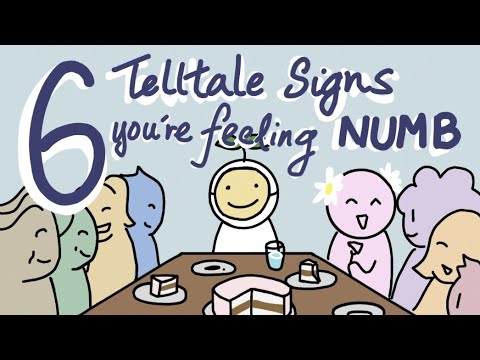
You ever feel like you’re just… not feeling anything? Like, everything is kind of flat and dull? Emotional numbness can hit hard, and it’s trickier than it sounds.
You know how sometimes life throws a ton of stuff at you all at once? Stress, loss, even just the day-to-day grind. It can overwhelm you. And when that happens, your brain might shut down those feelings. It’s like putting up a wall between you and your emotions.
But here’s the thing: being numb doesn’t mean you’re broken or weak. It’s a way for your brain to protect you from feeling too much. So yeah, let’s unpack what emotional numbness really means for your mental health—because trust me, it’s something many people deal with.
Understanding Emotional Numbness: What It Means for Your Mental Health
Emotional numbness can be a heavy experience. You might feel like you’re just going through the motions, but all the colors have faded away. It’s like watching a movie with the sound off. You see everything happening, but nothing really resonates. It’s confusing and isolating.
So, what exactly is emotional numbness? Well, it’s a way your mind protects you from overwhelming feelings. Think of it as a defense mechanism. When life gets too tough—maybe you lost someone close, or you’ve been through trauma—your brain might just shut down those intense feelings to keep you safe from pain.
- You might find that you’re less reactive to both positive and negative events.
- It can turn off your ability to feel joy or excitement.
- Sometimes, people describe it as feeling “disconnected” from themselves or others.
But emotional numbness isn’t just about feeling flat; it can actually impact your mental health in significant ways. For instance, when you’re numb emotionally, it’s really hard to connect with friends or loved ones. You might avoid social situations because they feel overwhelming or meaningless. Imagine going out with friends but not feeling any joy even though everyone else is laughing and having a good time—it’s like being on the outside looking in.
There’s this thing called **dissociation**, which is when your mind disconnects from reality as a way to cope with stress or trauma. It sounds intense, right? But many people experience it during really tough times; maybe you’ve felt suddenly detached when things got too heavy.
Another important aspect is how emotional numbness could lead to other mental health issues. If you’re not feeling anything at all over time, you might slip into depression or anxiety without even realizing it. Your brain craves those feelings—good and bad—because they remind you you’re alive. Without them, it’s easy to spiral deeper into despair.
You know how sometimes people go through phases where they don’t want to do anything? Well, this is often connected too! Numbness can make even your favorite activities seem pointless… like binge-watching that show everyone loves but feeling completely indifferent about it.
If you’ve been dealing with emotional numbness for a while now and it’s starting to affect your daily life—like work performance or relationships—it could be time to reach out for some help. Talking things out with someone, whether that’s a friend who gets it or a therapist who’s trained in these kinds of issues, can really make a difference.
In short, emotional numbness isn’t just “not feeling” – it’s an important signal that something needs attention in your mental health journey. It’s okay to seek support; recognizing that you’re struggling shows strength! Remember that healing takes time and effort, so be compassionate with yourself along the way.
Understanding Emotional Numbness: The Mental Illnesses Behind It
Emotional numbness can feel like you’re walking through life wrapped in bubble wrap. You see everything happening around you, but it’s as if the colors have been washed out. You might be going through the motions, laughing at jokes, and nodding when people talk to you, but deep down? It feels like something’s missing.
So, what causes this feeling of emptiness? For starters, emotional numbness often shows up as a symptom of various mental health issues. It’s your brain’s way of protecting itself from overwhelming emotions. Picture it like a defense mechanism. When things get too intense—stress, trauma, grief—your mind might decide to pull the emergency brake on feelings altogether.
One common culprit is depression. This isn’t just about feeling sad—it can lead to a lack of interest in activities you once enjoyed and make everything seem gray and lifeless. You might not even feel sad; it’s more like being stuck in neutral.
Then there’s anxiety disorders. Those relentless racing thoughts can leave you so overwhelmed that your emotional responses just shut down. It’s as if your brain says, “Enough!” and stops allowing any feelings to surface.
Another big player here is PTSD (Post-Traumatic Stress Disorder). If you’ve gone through something traumatic—like an accident or loss—you might notice emotional numbness creeping in as a way to cope with those painful memories. Your brain is trying to shield you from reliving that hurt.
Now, let’s not forget about BPD (Borderline Personality Disorder). People dealing with BPD often experience intense emotions but sometimes swing to emotional numbness when things get too chaotic. It creates this frustrating loop where emotions are either sky-high or utterly flat.
You might wonder if this feeling ever goes away. Well, it can! Recognizing emotional numbness is the first step toward breaking free from it. Therapy, especially talk therapy or cognitive-behavioral therapy (CBT), has helped many people reconnect with their emotions. Medication can also play a role for some folks, smoothing out the rough edges that keep those feelings locked inside.
In short, emotional numbness isn’t just «being aloof» or «playing hard to get with feelings.» It’s often tied deeply into mental health struggles that deserve attention and care. So if you’re feeling this way—or know someone who is—it could be worth chatting with a professional who gets it. You’re definitely not alone in this journey!
Exploring the Connection Between Mental Health and Physical Numbness: Understanding Your Body’s Signals
Mental health and physical numbness? It sounds strange, right? But there’s a real connection that’s worth exploring. Sometimes, when we feel emotionally overwhelmed, our bodies respond in ways that might surprise us. Let’s break it down.
First off, emotional numbness happens when you feel detached from your feelings or your surroundings. It’s like walking through life as if you’re in a fog. You can be physically present but emotionally checked out. This detachment can trigger weird sensations in your body, including physical numbness.
When stress and anxiety pile up, the body goes into fight-or-flight mode. Your brain is gearing up for battle—even if there’s no tiger chasing you! That intense response can lead to sensations like tingling or numbness, especially in your extremities like hands and feet.
Now, let’s get into how this works. The brain is super connected with the body. When you’re stressed or anxious, your nervous system kicks into high gear. This can cause various physical symptoms—tension headaches, stomachaches… and yes, numbness too! You might be feeling anxious about something totally unrelated to your body but still end up with those weird feelings in your limbs.
Think about it this way: remember a time when you were really stressed out? Maybe you had a big exam or broke up with someone important. Your heart raced, right? But have you also noticed how that anxiety can creep into other areas? Maybe your hands felt cold or tingly—like they just didn’t belong to you anymore? That’s because emotional pain often translates physically.
But here’s the kicker: If these feelings persist or worsen—like if that numbness sticks around longer than typical—you should definitely reach out for help. There could be underlying issues at play that need attention.
Therapy can really help work through these feelings of both emotional and physical numbness. Talking to someone who gets it allows for exploring those connections further and learning ways to cope better.
In short, don’t ignore what your body is trying to tell you! Emotional experiences are intertwined with physical sensations more than we often realize; take note of them as signals worth investigating further!
Emotional numbness can feel, well, kinda like being stuck in a fog. You might notice this strange, blank feeling creeping in when life gets overwhelming or even after some tough stuff happens. It’s like your heart hits the snooze button on all those feelings you’d usually experience. Instead of joy, sadness, or even anger, there’s just… nothing.
Let me tell you about a friend of mine. She went through a pretty rough breakup, and it hit her hard—like a ton of bricks. Initially, she was devastated; crying and feeling every single emotion possible. But then something changed. Instead of letting it out, she just felt this heavy numbness wash over her. No tears, no happiness when friends tried to cheer her up—just a constant feeling of blah. It was concerning because it wasn’t who she was; she was always vibrant and full of life.
When you’re emotionally numb, it can mess with your mental health big time. You might find yourself withdrawing from social situations and missing out on things that used to bring you joy. And for some folks, it can lead to other issues like anxiety or depression sneaking in during those quiet moments when the numbness fades and the thoughts come flooding back.
You know what’s wild? This emotional shutdown isn’t just about not “feeling.” It can also show up as physical symptoms—tiredness or trouble concentrating—which makes everything feel more tiresome than it should be. It’s like your brain is trying to protect you from pain but ends up putting you in this weird bubble where everything feels muted.
The key here is recognizing that emotional numbness is a signal, not your new normal. It’s telling you something needs attention—maybe it’s stress overload or unresolved grief lurking beneath the surface. Talking to someone—a trusted friend or therapist—can help break through that fog and bring back those rich emotional colors we often take for granted.
So if you’re experiencing this kind of numbness yourself—or see someone struggling—it’s important to reach out for support and start untangling all that jumble inside so the feelings can flow freely again!