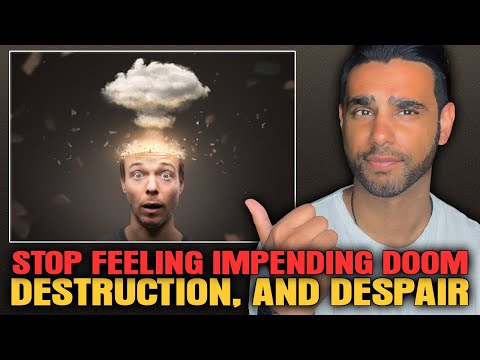
Have you ever felt that gnawing sense of dread creeping in?
Like, you’re just sitting there, everything seems fine, but your brain’s like, “Uh oh, something bad’s about to happen!”
It’s a real party crasher, isn’t it?
That feeling is often called impending doom anxiety. It’s not just you; a lot of folks deal with this.
Sometimes it hits outta nowhere and leaves you feeling all jittery and on edge.
You might be going about your day, and boom—there’s that anxious pit in your stomach again.
So let’s unravel this a bit. We can figure out what’s going on here together—no judgment.
Conquering Impending Doom Anxiety: Effective Strategies for Finding Peace of Mind
Feeling that sense of impending doom, like a storm cloud hovering over your head? You’re not alone, seriously. Impending doom anxiety can be overwhelming, making you feel like something terrible is about to happen, even when there’s no real reason to think that way. It’s like having a voice in your head that just won’t quiet down.
First off, it’s important to know what’s happening inside your noggin. This kind of anxiety often comes from our body’s fight-or-flight response. When we perceive a threat—real or imagined—our brain kicks into high gear. Your heart races, and suddenly you’re fixated on the worst possible outcomes. It’s super exhausting.
So, what can you do about it? Here are some effective strategies to help you find that peace of mind:
- Breathe Deeply: Seriously, deep breathing can help ground you in the present moment. Try inhaling slowly through your nose for four counts, holding for four counts, and exhaling through your mouth for six counts. Repeat this until you feel calmer.
- Mindfulness and Meditation: Practicing mindfulness can change the game. Just sit in a comfy spot, close your eyes, and focus on what you’re feeling without judgment. Let thoughts come and go—don’t cling to them.
- Avoid Triggers: Notice what sets off your feelings of doom? It could be certain news stories or maybe even specific conversations. You don’t have to expose yourself constantly to these triggers.
- Talk it Out: Sometimes just expressing how you feel can lighten the load. Talk to a friend or therapist about your anxiety without fear of judgment.
- Create a Safety Plan: If there are specific situations where you feel this impending doom more intensely, make a plan for how you’ll handle them if they arise.
An emotional story might help here: Imagine Sarah—she had crippling anxiety every time she thought about public speaking because her mind raced with negative «what-if» scenarios. But she decided to tackle this fear head-on by practicing deep breathing before her presentations and visualizing a positive outcome instead of dwelling on the worst-case scenarios. Little by little, she built her confidence back up!
You don’t need perfection; progress is what counts! Remember that it’s okay not to have all the answers right away. Be gentle with yourself as you work through this challenge.
If you’re finding it hard to manage on your own, reaching out for professional help isn’t just smart—it’s essential sometimes! Mental health professionals can provide tailored strategies just for you.
The key takeaway here? Conquering impending doom anxiety is totally possible with some patience and practice! You’re stronger than those anxious thoughts telling you otherwise!
Understanding Nighttime Anxiety: Coping with the Feeling of Impending Doom
Nighttime anxiety can feel like a heavy blanket, wrapping around you just as you’re trying to wind down. You settle into bed, hoping for a peaceful night’s sleep, but then the thoughts start racing. You know that feeling of impending doom? Like the walls are closing in and there’s no escape? Yeah, it’s tough.
So, what’s really going on during these anxious nights? For many people, nighttime anxiety is all about rumination. This is when your mind keeps replaying worries or fears. Maybe you’re stressed about work or relationships. Perhaps it’s health concerns or even global issues that keep nagging at you. The thing is, when the world quiets down at night, those thoughts can become even louder.
You might also find that your daily distractions fade away when you lay down to sleep. It’s like turning off the lights and suddenly seeing every shadow in the room—you know they’re just shadows, but they still feel big and scary. Our brains tend to take those unresolved feelings from the day and amplify them once it gets dark.
- Physical Symptoms: Anxiety can trigger some pretty intense physical reactions. Your heart may race, your palms might sweat, or maybe you even feel short of breath. These sensations can hit hard at night when your body is supposed to be relaxing.
- Avoidance Patterns: Some people begin avoiding bedtime altogether because they associate it with those anxious feelings. It can turn into a cycle where skipping sleep actually increases anxiety over time.
- Nostalgia or Regrets: Often at night, we start reflecting on past choices or missed opportunities. This kind of reminiscing isn’t always comforting; it can lead back into that feeling of dread about what lies ahead.
You might wonder how to cope with this nighttime whirlwind of worry. Well, there are a few strategies that could help ease things up a bit.
- Create a Nighttime Routine: Find peace in predictability! Try winding down with calming activities—reading a book, listening to soothing music or practicing gentle stretches before bed.
- Breathe Deeply: Seriously! Focused breathing can really make a difference. Deep breaths in through your nose and out through your mouth help ground you and slow everything down.
- If Necessary, Talk It Out: Sometimes airing out those fears helps put them into perspective. A chat with someone supportive—whether it’s a friend or therapist—can make those thoughts feel less daunting.
I remember one night when I couldn’t shake this feeling like something bad was looming just out of reach—I tossed and turned for hours until I finally got up and wrote my worries down in a journal. Putting pen to paper somehow lightened the load; it was like I was handing off my worries for someone else to handle—or something like that.
If nighttime anxiety is taking over your evenings more often than not, consider seeking support from professionals who specialize in mental health—they’ve got tools and techniques that can help guide you through this tough stuff more effectively.
The bottom line? Struggling with nighttime anxiety doesn’t mean you’re broken; it’s just part of being human sometimes! You’re definitely not alone in this experience—and there’s always hope for brighter nights ahead!
Understanding the Feeling of Impending Doom: Exploring Psychological Perspectives on Death Anxiety
The feeling of impending doom can really throw you off balance. Seriously, it’s that nagging sensation that something bad is about to happen, even if you can’t quite put your finger on what it is. This unease often connects to something called **death anxiety**, which, let’s be honest, is a heavy topic but totally worth exploring.
So, why do we feel this way? Well, a big part of it comes from our good ol’ brain trying to keep us safe. It gets a bit hyper-focused on potential threats—be they real or imagined. Your brain might be like that friend who always warns you about the worst-case scenario, even when everything’s fine.
One common psychological perspective is rooted in **existential psychology**, which deals with the inherent anxiety of existence itself. You know? The idea that we’re all just here for a short time and then poof—gone! That realization can hit hard and lead to intense feelings of dread. Like, if you’ve ever heard someone mention how life is fleeting and felt your stomach lurch? Yeah, that’s existential anxiety at work.
Another angle comes from the **cognitive-behavioral perspective**. This one emphasizes how your thoughts shape your feelings and behaviors. If you constantly think about what could go wrong—like losing loved ones or facing illness—you’re more likely to feel anxious or overwhelmed by doom vibes. It’s like mental gymnastics where the outcome isn’t gold medals but sleepless nights!
So let’s break it down with some key points:
- Physical Symptoms: You might feel a racing heart or a sense of tightness in your chest. Just breathing feels like an Olympic sport sometimes.
- Hypervigilance: You could become overly aware of your surroundings, alert for any sign of danger lurking around.
- Thought Patterns: Your brain might spiral into negative thoughts—like “What if something terrible happens?” It kinda snowballs from there.
- Avoidance Behaviors: To cope, you might start avoiding places or situations that remind you of those dreadful feelings.
It can also help to consider how cultural factors play into this mix. In societies where death is more openly discussed and accepted, people often experience less anxiety surrounding it. If you’ve grown up in an environment where death was taboo—well yeah! That’ll probably ramp up any feelings of dread.
An experience I remember clearly was when my friend lost her grandmother unexpectedly. For months afterward, she couldn’t shake that heavy feeling—a constant hum of dread as she navigated every day life. Every shadow seemed menacing; every siren outside made her heart race with fear over what could happen next.
So if this sounds familiar to you or someone close by, just know you’re not alone in these feelings! There are ways out there to tackle this stuff head-on: talking about it with someone—a friend or therapist—or trying mindfulness practices can really help calm those chaotic thoughts swirling around in your mind.
Understanding impending doom isn’t about ignoring those anxious vibes; it’s about acknowledging them and finding ways to work through them together with compassion for yourself and others involved. Because while the shadows may loom large sometimes, there’s always light peeking through somewhere—you just gotta look for it!
You know that feeling when your heart starts racing for no real reason? Like you’re waiting for the other shoe to drop, and it’s just sitting there, taunting you? Yeah, that’s what they call impending doom anxiety. It’s like this cloud that follows you around, casting a shadow over everything good in your life. You can feel it creeping in during those quiet moments or when you’re trying to focus on something fun.
I remember once I was hanging out with friends, just trying to enjoy a breezy summer evening. We were laughing and joking about random stuff, but inside, my mind was spiraling. Thoughts of “What if something bad happens?” kept popping up. It totally ruined the vibe for me at that moment. I ended up excusing myself from the fun because I felt so out of control. That’s how this anxiety can grip you—it sneaks up when you least expect it.
So what exactly is going on? Well, our brains are hardwired to keep us safe, right? When something feels off or uncertain, our fight-or-flight system kicks in like a reflex. But sometimes, it’s like that system gets a little too hyperactive—overthinking every tiny situation as if it’s the biggest threat ever. And trust me; being stuck in that cycle can be exhausting.
Navigating through this kind of anxiety isn’t easy, but it helps to talk about it with someone you trust or maybe even a therapist—someone who gets it and can help you untangle those thoughts. Honestly, just hearing someone say “Yeah, I get where you’re coming from” can make all the difference.
So if you’re feeling that weight of impending doom sitting on your chest? You’re not alone in this. Learning how to ride those waves of anxiety instead of trying to fight them off completely is super crucial. Keep reminding yourself that though those shadows might linger sometimes—they don’t define your reality or your worth. There’s light still shining somewhere through those clouds; just gotta look for it sometimes!