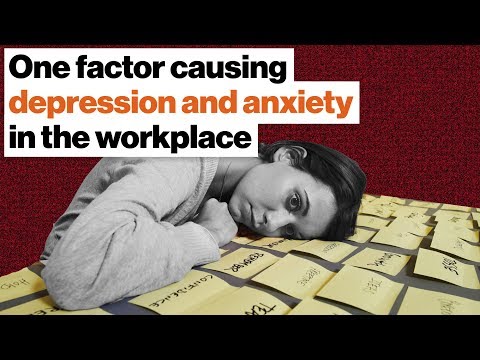
So, you know those days at work when everything feels heavier? Like, you get up in the morning and dread going into that office or logging on to your computer?
It’s not just you. Lots of folks experience that workplace sadness. It kinda creeps in, right? Sometimes it’s linked to stress, burnout, or even just feeling out of place.
You might be thinking—why does this matter? Well, it can mess with your mood, affect your productivity, and spill over into your personal life. Seriously!
But don’t sweat it too much just yet. We’re gonna break it down together. Let’s chat about what’s going on and how to deal with these feelings.
Understanding the Impact of Poor Mental Health on Workplace Productivity and Employee Well-Being
It’s no secret that mental health plays a huge role in how we function at work. When you’re feeling low, stressed, or anxious, it can really drag down your productivity and overall well-being. Look, if you’re struggling with your mental health, it’s not just you who feels the impact—your whole workplace can feel the ripple effects.
First off, let’s talk about productivity. When your mind is clouded by sadness or anxiety, focusing on tasks can feel like climbing a mountain. You might find yourself staring at your computer screen for ages, but nothing gets done. That feeling of being overwhelmed? Totally common. Research shows that employees with poor mental health are 1.5 times more likely to have reduced productivity compared to their healthier peers.
Then there’s absenteeism. When you’re dealing with tough feelings, like sadness or anxiety, it’s hard to show up for work physically and mentally. People might take more sick days or even quit their jobs altogether because they’re just not coping well anymore. It’s like they’re in this cycle where their mental struggles make them less productive, which leads to more stress about work—and that just makes everything worse.
Now imagine an office where people are feeling burned out and overwhelmed. This creates a negative atmosphere. Employees might start to feel disconnected from their colleagues and lose interest in teamwork or collaboration. They may even be more irritable or short-tempered with others because they’re battling their own internal issues. It’s like a chain reaction that affects everyone around.
On top of all that, the long-term effects can be super damaging too. Chronic poor mental health at work doesn’t just disappear overnight; it builds up over time and can lead to serious issues like burnout or even depression. You might feel stuck in a rut that seems impossible to get out of.
So yeah, what about employee well-being? When people aren’t doing great mentally? The whole concept of work-life balance goes out the window. They could be working harder than ever but not getting anywhere close to happiness or fulfillment—yikes! Feeling drained after a long day isn’t just about physical fatigue; emotional exhaustion weighs heavily too.
Employers have a real opportunity here to make changes and support mental wellness within their teams. Simple gestures like promoting open conversations about feelings or providing access to mental health resources can really make a difference. Little things go a long way—like flexible hours or wellness programs—that help employees feel seen and valued.
In summary, poor mental health can heavily influence workplace productivity and employee well-being in many ways:
- Reduced focus: Difficulty concentrating on tasks.
- Absenteeism: More sick days taken.
- Navigating negativity: A toxic atmosphere develops.
- Long-term consequences: Risk for burnout and depression increases.
- Poor work-life balance: Emotional exhaustion becomes prevalent.
Recognizing the signs of emotional distress in ourselves and our coworkers is key to creating healthier workplaces where everyone feels motivated and supported!
Essential Guide to Mental Health in the Workplace: Understanding and Improving Employee Well-Being [Free PDF Download]
Mental health in the workplace is super important, you know? Most people spend a big chunk of their lives at work, so the way we feel there really matters. If you’re feeling down or stressed on the job, it can hit your overall well-being pretty hard. Let’s talk about sadness in the workplace and its effects on mental health.
When you notice your mood dropping at work, it might feel a bit overwhelming. Maybe you’ve been going through a tough time outside of work or perhaps the workplace environment isn’t supporting you like it should. Either way, that sadness can turn into something bigger if it’s not addressed.
Here are some common psychological effects of workplace sadness:
- Decreased productivity: When you’re feeling low, getting things done can feel like climbing a mountain. You might find it hard to focus or complete tasks.
- Increased absenteeism: If your mood doesn’t improve, you might start calling in sick more often—whether it’s physical symptoms or just needing a mental day off.
- Poor interpersonal relationships: Feeling sad can affect how you interact with coworkers. You might withdraw or snap at someone without realizing it.
- Burnout: Chronic sadness can lead to emotional exhaustion and burnout, where everything just feels too heavy to carry.
Let me share an example here: think about Sarah, a project manager who had always been passionate about her job. Lately, she’s been feeling sad due to some personal issues at home. She noticed she was less engaged in meetings and missed deadlines more often than usual. Her coworkers started wondering what was up with her since she seemed distant and disconnected.
So what can workplaces do to help improve employee well-being? Seriously, it’s all about creating an environment where people feel supported.
Here are some strategies that could make a huge difference:
- Psychoeducation: Providing resources and training sessions on mental health can help everyone understand what they’re going through better.
- A supportive culture: Encouraging open conversations about feelings without judgment creates a safe space for employees to express themselves.
- Employee assistance programs (EAPs): These programs offer counseling services which are confidential and helpful for those dealing with any kind of stress or sadness.
- Flexible working conditions: Allowing remote work options or flexible hours can really help individuals manage their personal struggles while still being productive at work.
Sometimes just knowing that your employer cares about your well-being makes all the difference.
Well, navigating workplace sadness isn’t easy for anyone involved—employees or employers alike—but understanding its psychological effects is key to fostering healthier environments. When everyone works together with compassion and understanding, it’s possible to turn things around for the better!
Understanding the Importance of Mental Health in the Workplace: A Comprehensive PDF Guide
Understanding the Importance of Mental Health in the Workplace
Mental health in the workplace is super important. You know, we spend a lot of time at work, right? So, it makes sense that how we feel impacts not just our work performance but also our overall happiness. When we’re dealing with sadness or stress, it can really mess with our ability to focus and connect with others.
When people think about workplace sadness, they often picture someone who’s just had a bad day. But honestly, it can be way deeper than that. It’s not unusual for folks to feel overwhelmed by their job demands or tensions within a team. Sometimes you might wake up dreading Monday or feel drained even when you’re not on the clock.
Here’s the thing: workplace sadness isn’t just about feeling blue. It can lead to real issues like anxiety or depression if left unchecked. And it affects everyone around you too! Like, when one person is struggling, it can create a ripple effect that brings down team morale.
Psychological Effects of Workplace Sadness
When you’re feeling sad at work, you might notice some changes in yourself:
It’s like this cycle; you feel bad, which makes you less productive, and then that leads to more stress and sadness.
The Role of Employers
Employers have a big part to play here. Creating an environment where mental health is prioritized helps everyone out—seriously! When companies acknowledge mental health issues and offer support systems like counseling services or flexible schedules, they foster a culture where employees feel valued.
Think about this: If you knew your boss was cool with mental health days without making it awkward? You’d probably feel more at ease asking for help when needed.
Coping Strategies for Individuals
So what can you do if you’re feeling down at work? Here are some ideas:
Finding ways to cope is vital because it empowers you and reminds others that it’s okay not always to be okay.
In sum, prioritizing mental health in the workplace is crucial—for both individuals and organizations. A little understanding goes a long way toward creating an atmosphere where everyone can thrive emotionally and professionally!
Workplace sadness, man, it hits differently, doesn’t it? You know those days when you drag yourself into the office, feeling like a cloud is hanging over your head? Yeah, that heavy sense of gloom can seriously affect your vibe and overall performance. It isn’t just about feeling bummed out; it’s more complex than that.
Let me tell you a little story. A friend of mine, Ella, worked at this marketing firm. She was super talented but started feeling this weird sadness creeping in after some tough feedback from her boss. At first, she brushed it off as just a bad week. But it began to eat away at her motivation and her interactions with coworkers started to feel awkward. She felt isolated even in a crowded office full of laughs and chatter. Over time, that low energy not only affected her work but also seeped into her personal life; she stopped hanging out with friends and even binge-watched shows instead of doing stuff she loved.
So what’s the deal with workplace sadness? Well, like Ella found out, when you’re struggling emotionally at work, it can lead to all sorts of nasty effects. You might notice changes in how you think—like second-guessing everything or feeling super anxious about tasks that used to be easy peasy for you. That’s called rumination—when your mind keeps replaying the same worries over and over again.
And then there’s how fatigue sets in—you just feel drained all the time. This isn’t just physical tiredness; it’s more like an emotional hangover where everything feels heavier than usual. It’s hard to bring your A-game when you’re internally battling these feelings.
But here’s the silver lining: recognizing these feelings is a huge step forward! Seriously! Once Ella realized what was happening and opened up about it with her manager, things shifted for her. They talked about workload adjustments and even set up regular check-ins to keep communication flowing smoothly.
Workplaces should be supportive environments where folks can express their struggles openly without fear of judgment. So if you’re feeling off at work—whether it’s from stress overload or something else—don’t hesitate to reach out for support or talk about it with someone who gets it.
In the end, navigating workplace sadness isn’t easy—it takes time and effort—but acknowledging it is like turning on a light in a dark room; suddenly things don’t seem so intimidating anymore. You got this!