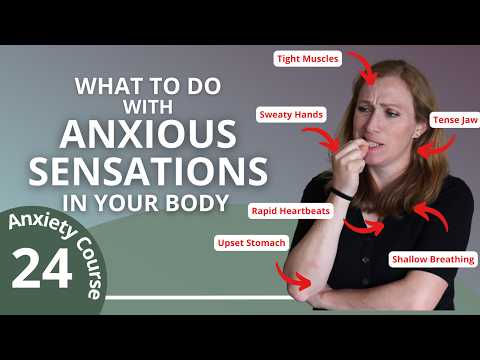
You know that feeling when your heart’s racing, and you’re not quite sure why? Yeah, that’s anxiety doing its thing. It can sneak up on you like an unexpected pop quiz. One minute you’re chillin’, and the next, boom!
Anxiety isn’t just a “mental” thing either. It spills over into your whole life—making everything feel harder. Seriously, even simple stuff can become overwhelming.
I’ve been there. Once, I was getting ready for a big presentation, and my heart felt like it was in a race with Usain Bolt! I thought I might faint right there in front of everyone. Spoiler alert: I didn’t faint, but wow, what a ride that was.
So let’s chat about this heart-squeezing anxiety and how it messes with our wellness. We’ll get through it together; no judgment here—just real talk about real feelings!
Exploring the Benefits of Propranolol for Relieving Chest Tightness Caused by Anxiety
So, let’s talk about **propranolol** and how it can help with that annoying chest tightness we sometimes get from anxiety. Seriously, if you’ve ever felt that heart-squeezing sensation when you’re stressed, you know how much it can mess with your day.
First off, **propranolol** is a medication that falls into the category of beta-blockers. What these do is block the effects of adrenaline on your body. You know how when you’re anxious, your heart might race or you feel all jittery? Well, propranolol helps to calm those physical symptoms down.
Here’s why that might be helpful for you:
- Reduces Physical Symptoms: It basically tells your body to chill out. So instead of feeling like you’re about to jump out of your skin, you can feel more grounded.
- Decreases Heart Rate: If you’ve got that tightness in your chest making everything feel worse, propranolol can lower your heart rate and give you some breathing room.
- Improves Focus: With less physical panic going on, it becomes easier to focus on whatever else is stressing you out rather than just how bad your chest feels.
- Helps with Performance Anxiety: If speaking in public or doing something similar makes you anxious, this can help ease those jitters so you can perform better.
Now, let’s say you’ve got a big presentation coming up. Your palms are sweaty, heart racing—classic signs of anxiety! You might take propranolol ahead of time and find you’re not only calmer but also clear-headed and ready to tackle those slides.
But here’s the thing: it’s not a magic pill that works for everyone. Some people might not respond well or experience side effects like fatigue or dizziness. And then there’s just the reality check—like any medication, it should be taken under a doctor’s guidance.
And remember: while propranolol can help with those physical symptoms tied to anxiety, it doesn’t actually tackle the anxiety itself at its core. You’ll still want to consider other coping strategies too—like therapy or relaxation techniques.
So if you’re feeling overwhelmed by that heart-tightening anxiety vibe, **propranolol** could be worth discussing with a doctor as part of a broader approach to handling stress and improving wellness overall. Just keep in mind—it’s all about finding what combination works best for *you*.
Understanding the Link Between Cortisol and Chest Tightness: What You Need to Know
Okay, let’s talk about cortisol and that pesky chest tightness we sometimes feel when anxiety kicks in. Seriously, anxiety is like that annoying friend who just won’t leave you alone. You know, the one who shows up uninvited and makes everything feel a little heavier?
Cortisol is a hormone that your body releases when it thinks you’re in danger. Think of it as your body’s built-in alarm system. When you’re stressed or anxious, your brain triggers this release of cortisol to help you deal with whatever’s going on. So, what’s the link between cortisol and chest tightness? Well, here’s how it breaks down:
Cortisol increases heart rate. During intense moments of stress, your heart speeds up to pump more blood to your muscles. This might make your chest feel tight or even a bit heavy because your body thinks it needs to be ready to fight or flee.
Muscle tension is real. When cortisol levels rise, they can cause muscle tension throughout your body. This includes the muscles in your chest area! You might notice that feeling of constriction or tightness when you’re feeling anxious.
Breathing changes. Anxiety can mess with how you breathe. When you’re anxious and cortisol is flowing, you might take shallow breaths or hold your breath altogether. This can lead to that tight sensation in your chest because, let’s face it, you’re not getting enough oxygen.
Now picture this: You’re at work and suddenly deadlines are looming over you like dark clouds. Your heart starts racing, maybe you clench up a bit—then boom! That familiar tightness creeps into your chest like an unwanted guest at a party.
So what do we do about it? Here are some ideas:
- Practice deep breathing. It sounds super simple but taking slow breaths calms down that cortisol production.
- Get moving. Exercise helps lower those cortisol levels and releases endorphins—your body’s natural happy drugs.
- Try mindfulness techniques. Meditation can seriously help bring those stress levels down and make that tightness ease off.
It’s totally okay to feel overwhelmed sometimes; just remember you’re not alone in this whole “anxiety” thing. Recognizing the link between cortisol and chest tightness can be an important step towards managing those feelings better!
Understanding Cardiac Anxiety Symptoms: Recognizing and Managing Heart-Related Anxiety
Hey, let’s talk about something that can really mess with your day—**cardiac anxiety symptoms.** You know, that gut-wrenching feeling when your heart races for what seems like no good reason? It can feel like a rollercoaster in your chest. Understanding this kind of anxiety is super important for managing it and feeling better.
So, what is cardiac anxiety? Basically, it’s when you develop high levels of anxiety about your heart or the thought that something might be wrong with it. This didn’t just come out of nowhere; a lot of people who experience this have had past heart issues or know someone who did. Even if your heart is totally fine, the worry can feel very real.
**Recognizing the Symptoms**
The tricky part is recognizing the symptoms associated with this anxiety. They can be pretty similar to physical heart problems. Here are some key signs to look out for:
- Rapid heartbeat: You might feel like your heart is racing, even when you’re just sitting still.
- Pain or discomfort: Sometimes, people report tightness in their chest, which can be really scary.
- Dizziness: This sensation can come out of nowhere and leave you feeling unsteady.
- Shortness of breath: Like you can’t catch your breath even when you’re not doing anything strenuous.
- Sweating: Feeling clammy or sweaty for no obvious reason? Yep, that’s another symptom.
It’s wild how these symptoms mimic real heart issues, right? That makes it so much harder to tell what’s going on.
**Coping Strategies**
Dealing with this kind of anxiety doesn’t make you weak; it makes you human! Here are some ways to help manage those anxious feelings:
- Breathe deeply: Seriously. Take a moment to focus on your breath instead of that racing ticker up there. Inhale through your nose for four counts, hold it for four counts, and exhale through your mouth for six counts.
- Grounding techniques: Focus on what’s around you. Try naming five things you see and three things you hear. Bring yourself back to the present.
- Talk about it: Open up with friends or family members. Just saying it out loud can lighten the load a bit.
- Avoid stimulants: Things like caffeine or nicotine could ramp up those anxious feelings even more—try cutting back if they’re part of your routine!
A buddy of mine had such intense cardiac anxiety after he heard his dad had a heart attack at a young age. He found relief by just chatting about his worries with friends over beers—or sometimes coffee (without caffeine!).
**When to Seek Help**
Look, if cardiac anxiety is affecting how you live day-to-day—making you avoid certain activities or causing major stress—it might be time to reach out for professional help. Therapists often use **CBT (Cognitive Behavioral Therapy)** which focuses on changing negative thoughts into more positive ones.
If medications are suggested by healthcare professionals as part of treatment options —like SSRIs—they could help balance things out too but always chat about risks vs benefits.
In short, cardiac anxiety symptoms are tough cookies but recognizing them and knowing how to cope makes all the difference in reclaiming control over your life again! You’re not alone in this; so many folks deal with these feelings every day—but there’s hope!
So, you know that feeling when your heart starts racing, your palms get sweaty, and your mind just won’t stop spinning? Yeah, that’s anxiety kicking in. It can feel like you’re trapped under a weight you can’t lift. Just a little while back, I was sitting at a coffee shop, trying to enjoy my favorite brew. But instead of savoring the moment, I caught myself worrying about everything—from work deadlines to what to have for dinner. It was like my brain was playing an endless loop of “what ifs.”
The thing is, anxiety isn’t just a mental game; it can hit your body hard too. You might end up feeling constantly tired or even physically sick. I remember one time, I was so anxious before an important meeting that I felt nauseous. Not fun at all! It’s wild how our minds can mess with our bodies like that.
And then there’s the wellness piece. It’s tough to prioritize self-care when you’re stuck in that cycle of worry and tension. Exercise feels exhausting when you’re anxious; sleep becomes elusive as your mind races through worst-case scenarios at 3 AM. You might think, “What does this have to do with wellness?» Well, everything! When anxiety runs the show, it’s like having a cloud hanging over every positive moment.
But hey, dealing with this is totally possible! Finding ways to cope can open doors to feeling better again. Sometimes it’s doing a deep breathing exercise or taking a walk outside—just breaking that whirlpool of anxiety helps clear your mind for a bit. Imagine being able to step back and see things from another perspective; it’s life-changing!
Just remember: bringing awareness to how anxiety affects you is one big step toward managing it better. And yep, it takes time and effort—like exercising those mental muscles! So be patient with yourself as you figure out what works best for you. You’ve got this!